
I can do anything. I can do more than I thought.
2004-2007
No, not the firehose analogy. Anything but that.
NOTHING TO DO BUT TO DO.
Starting a new job always feels like trying to hop backwards through cresting ocean waves with a little boogie board and big dreams. You get tumbled over, thrashed around, and then you pop up for air and slosh forward.
Sony was like no new job I’d ever had.
Sapient was brought in as a consulting group to take over SonyStyle.com, and it was the standard ‘Yes we can do that’ and then figure it out after the contract is signed. They quickly hired an onsite merchandising experience team, including myself, Michael Bennett, and Andrew Guerrero. We became known as merchandising managers, but the job was far more involved than the title suggests.
We each had different skills, and we would need all of them and more, because it was wide open. There were some amazing folks that I learned a lot from, like Kyle Laughlin, who was the user experience manager at the time.

We walked into SonyStyle thinking we were there to contribute to an e-commerce project.
What we found was something very different.
There were no clear swim lanes. No neatly defined roles. Just a global brand that needed a full e-commerce experience to actually work. Product catalog, checkout, content, integrations. All of it, all at once.
It was the kind of environment where you either wait for direction or you step in and figure it out. Russ stepped in.

Kyle Laughlin
SVP, Walt Disney Imagineering

Stretch yourself. go beyond the narrow lines of your job.
What can you do in a week?
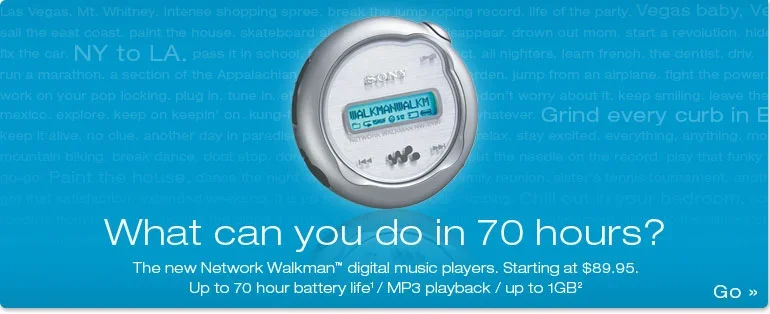
So one of the the projects I stepped in on - leveraging but also stretching my skills - was to create an online marketing campaign for the latest Sony Walkman debut (2005). The banner above represents the core messaging of the campaign.

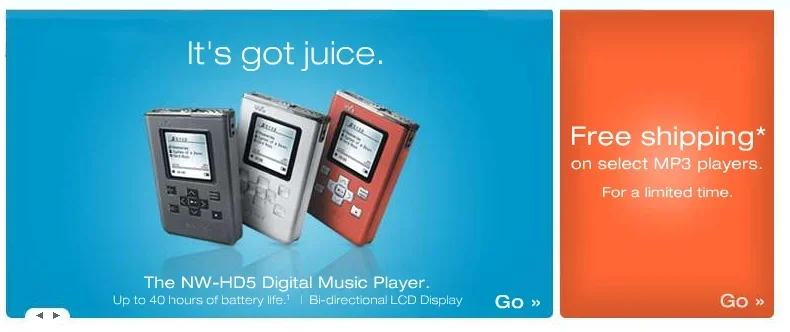
I helped brainstorm the theme, write the content, and assisted with art direction.Sony was getting its ATRAC handed to it by Apple, and there was nothing our US-based Sony site could do about it. We'd release a Walkman with an LCD screen, Apple would have color. We'd have 256MB memory, they'd have a GB. And so on. The home office knew each offering wasn't going to sell, so they provided zero online marketing budget.
We came up with a marketing campaign in a week, putting all our chips on the one advantage we had over Apple — battery life. Sony players lasted significantly longer than competitors, so we focused on what a person could do during that extended play time (70 hours). I was able to sneak in some unique content like "practice your pop locking" and "grind every curb in Burbank." I'm still proud of that.
Sales were slim compared to Apple, but we actually went well above the forecast, and upper management was impressed.
Kyle jumped in and organized the team that cranked out this campaign. His confidence and can do attitude helped me learn I was capable of much more than I thought.

Continuing with the theme of stretching ourselves…

We produced so much at SonyStyle, but likely the most impactful thing we did took little effort. When we came onboard, customers had to sign in or create an account to check out. We collectively pushed for a guest checkout, and got engineering to do it. This resulted in a 25% bump in customers moving to the next conversion step, which is crazy.
Andrew Guerrero
VP, Product at Blizzard Entertainment
This was an example of stepping outside our defined roles, demonstrating a commitment to the success of SonyStyle, not just doing well at our individual jobs. Andrew Guerrero is particularly good at finding non-obvious big wins, so this story fits.
so much to do, so much to learn.
The Walkman marketing campaign was certainly a shiny moment at SonyStyle, but as we all know - a good chunk of work is less glamorous, but no less valuable. As a small team, with broad responsibilities, we handled it all in the beginning.
But I didn’t walk in with all these skills. I got help.

Taking over SonyStyle.com was a crash course in collaboration. We were handed a major digital property with minimal client direction and an urgent need for improvement. What we lacked in guidance, we made up for in complementary expertise: online retail experience, database management, graphic design, voice and tone… we each brought in something.
Individually, we were specialists; together, we became a fully functional digital team capable of reimagining a complex e‑commerce experience from the inside out. We learned from each other, expanding our skillsets and experience.
It was a fast, uncertain environment, but we built a rhythm of trust, problem‑solving, and shared ownership that set the tone for everything that followed.. The foundation we laid during those early weeks grew into a long‑term, highly successful partnership with Sony.
Michael Bennett
Sr. Director of Creative, iHeartMedia

Seek out experts. learn from them, don’t lean on them.
Specialization is the path to quality, but rarely are the demands of a job narrowed to your best talent. The key is to get help on your gaps. Michael Bennett already had experience with online catalog management, so he was a good resource for that. When we had to hand code promo pages, his superior HTML skills came in handy. I didn’t hand over the work, but learned the skills from him and moved forward. We also got trained on the system by Lisa Pieri, who welcomed us with her lovely Southern hospitality and ecommerce expertise (shout out to LP).

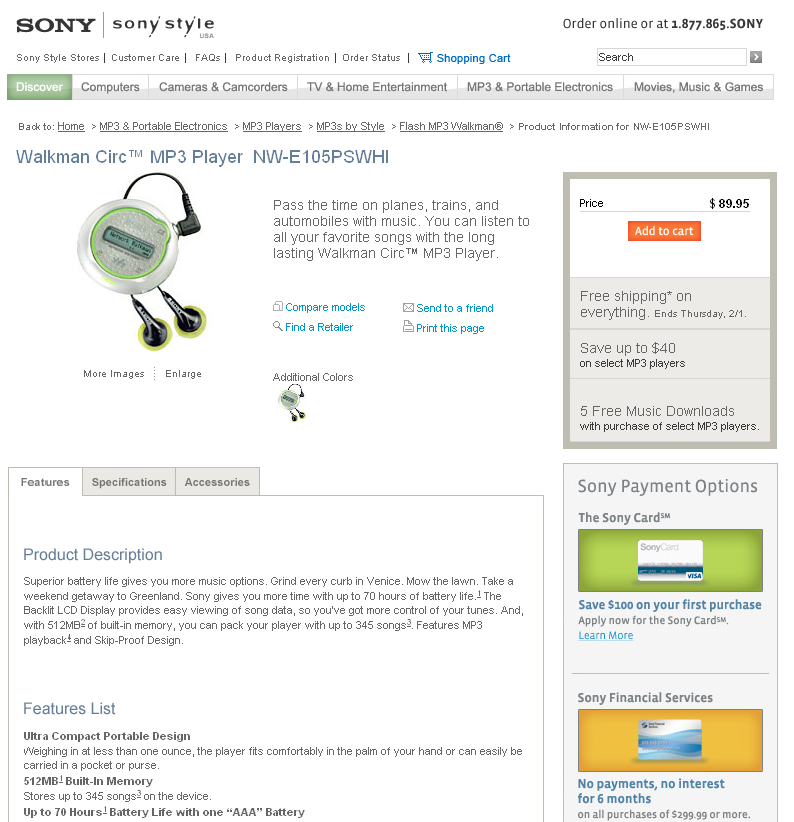
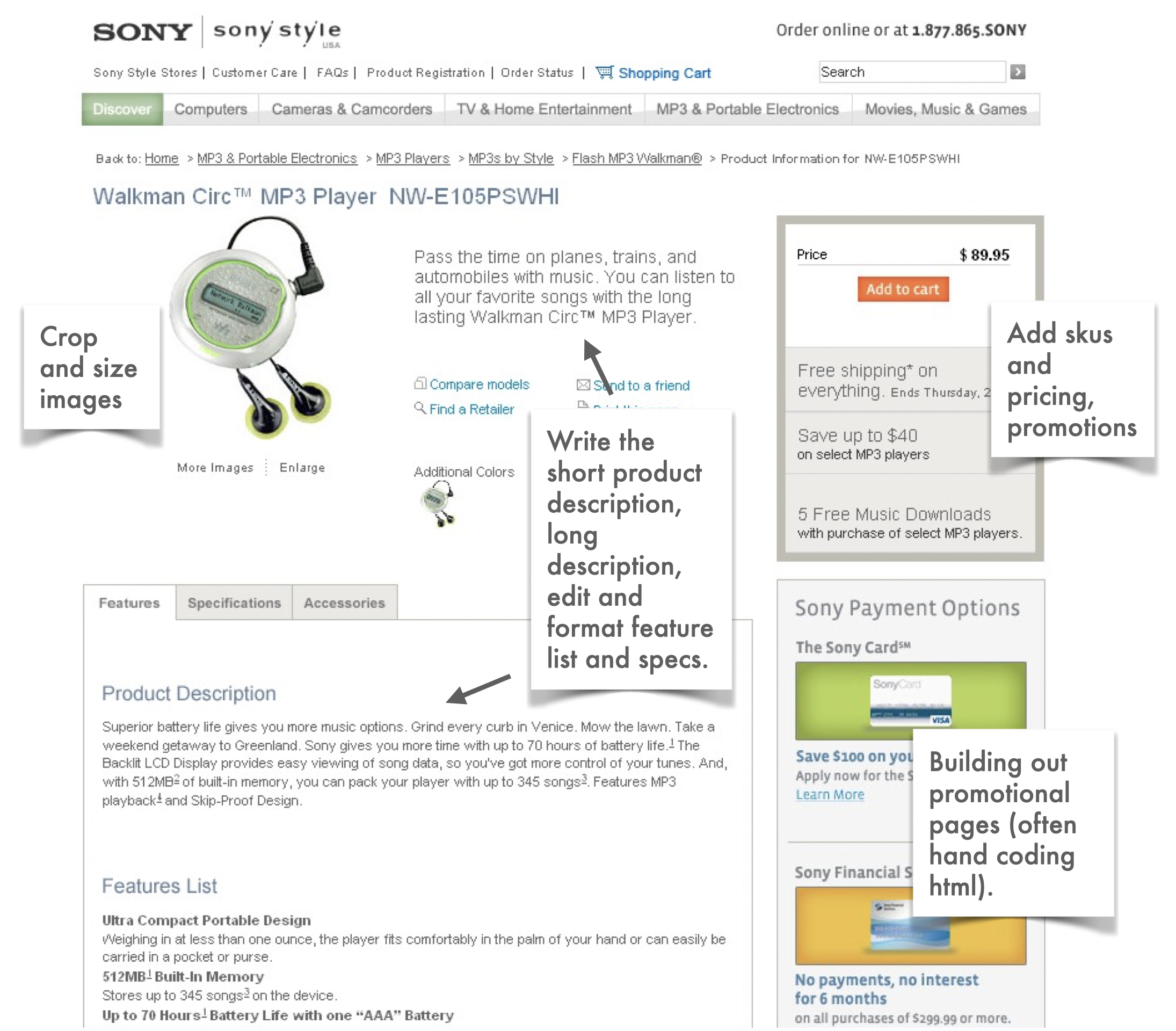
I wrote copy. I sliced and diced images. I hand coded promotional pages. I entered hundreds of products into the product management system (Intershop Enfinity). As an ecommerce site, that sold hundreds of Sony products, you can imagine we spent a lot of time adding and updating items (SKUs). Some of this was repetitive, low skill work, but there were challenging jobs to be done. Like establishing a consistent voice and tone across the site. Creating promotions. Guiding visual design. Front end coding. Sometimes we even had to translate specs from Japanese when we didn’t get the content in English! (No Google Translate in those days!)
Art, science, and the unknown
Sony was the biggest dog in consumer electronics when we were there. The look and feel of Sony was critical, given it was a premium product, but the US division didn’t get full support from Japan. This created a challenging, but often rewarding situation for our team; we could explore new themes and styles, while doing our best to adhere to the global brand.

At Sony, we were defining what e-commerce could look like. It was 2005, and we had to take a high-end brand and translate it into a compelling web experience that was as much about the look and impact as the function. We spent our days heavy in Photoshop and Illustrator painting shadows and reflections and creating glossy buttons, building style guides and templates, and finding ways to push what customers expected from early HTML.
That’s where the importance of craft really clicked. We pushed the quality even when the tools were limited. It was the first time I realized that a high standard for design wasn't just a preference, it was our job and a big differentiator. You had to understand what motivated the customer and deliver work that felt as premium as the products.
AJ Fitzpatrick
Sr. Design Manager, Snowflake

Get into the craft.
I had worked with talented designers at a previous company, but I was more squarely in the content realm at the time. At Sony, I was asked to help shape the marketing approach, which included providing some creative direction. To be clear, the designers owned most of this, and also had a creative director advising them. I was a bridge - you could say - between product management and design. I knew how they wanted to position a product, and I often influenced the messaging and approach because of my growing knowledge of the product space. AJ very quickly understood the value of his design work, and how deep collaboration with the merchandising managers benefitted the final product.

I provided guidance on messaging and style. Brainstormed ideas on look and feel. 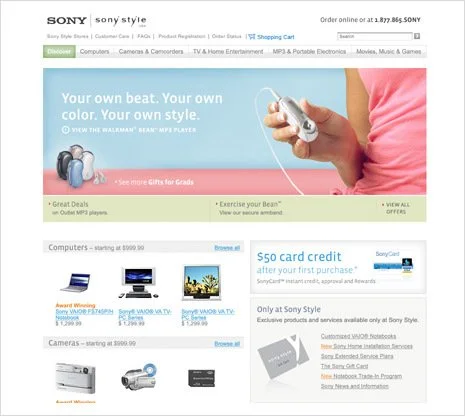
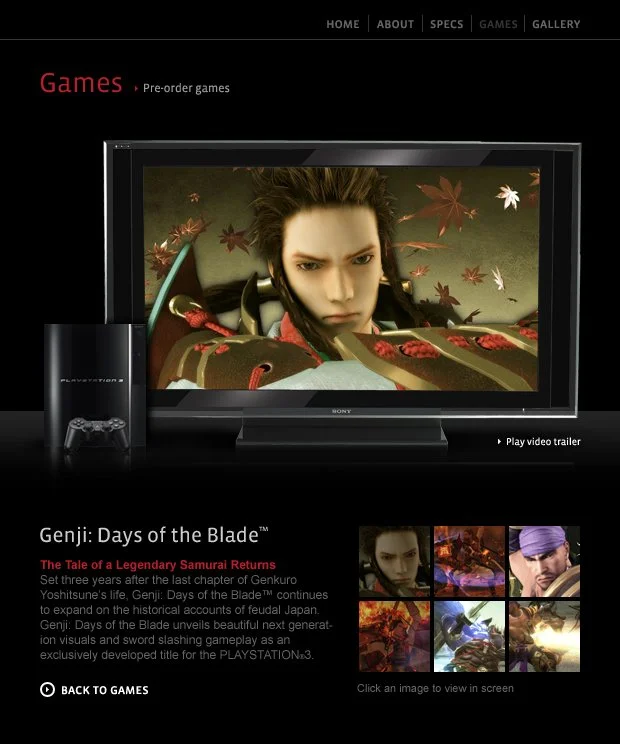
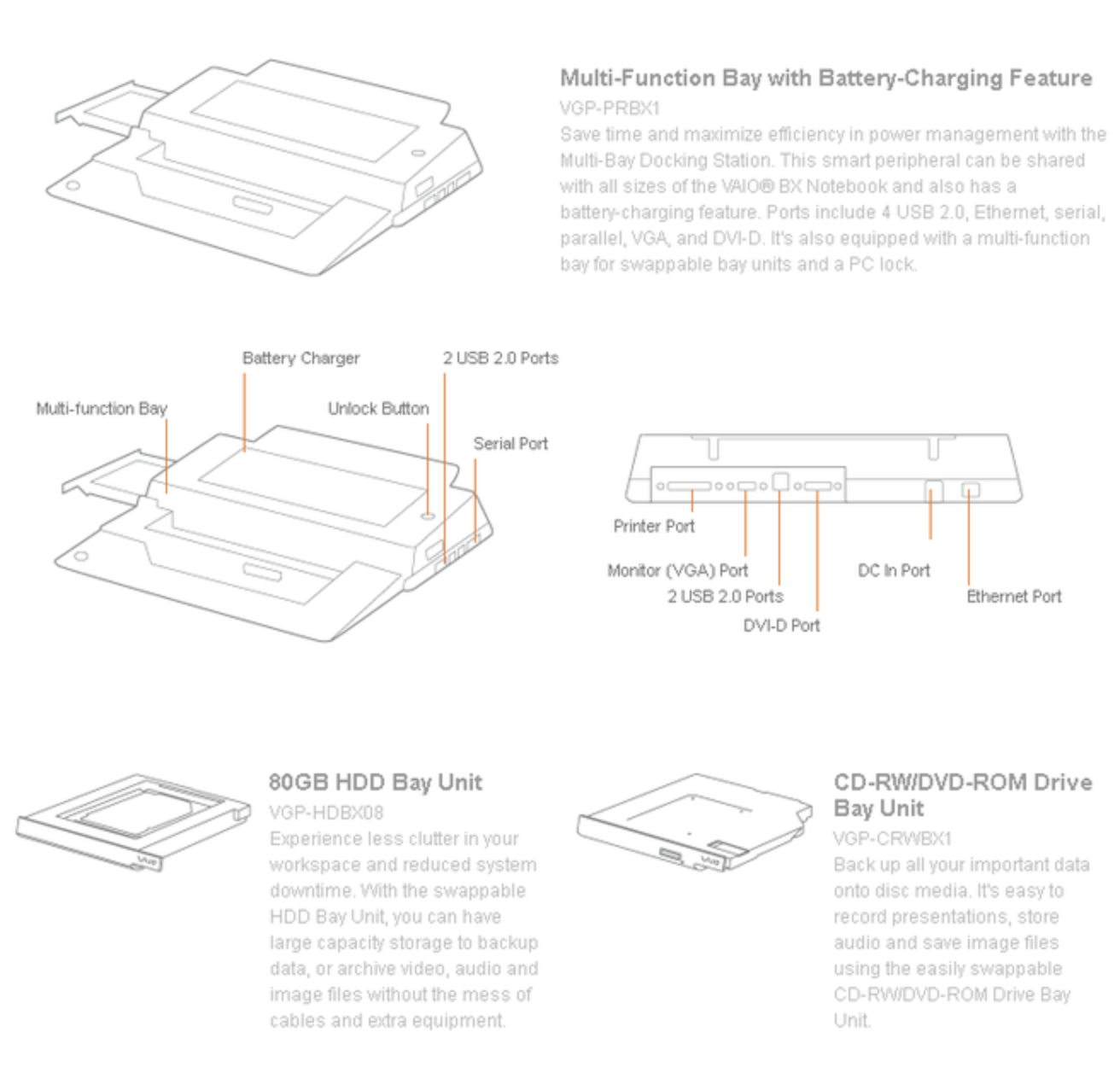
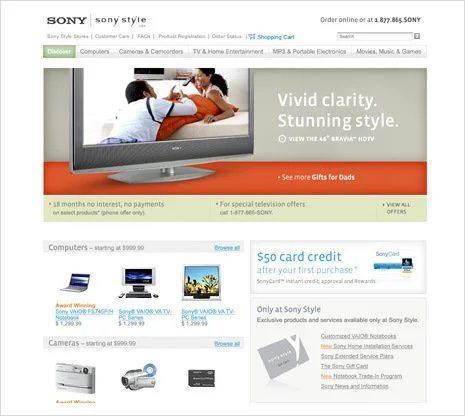
I learned a lot from the talented designers at Sony. Composition. Hierarchy. Brand adherence. With a site not well supported by the parent company, they were often figuring out workarounds and short cuts to make deadlines. I gained a lot of insights from their craft, but also their resolve.

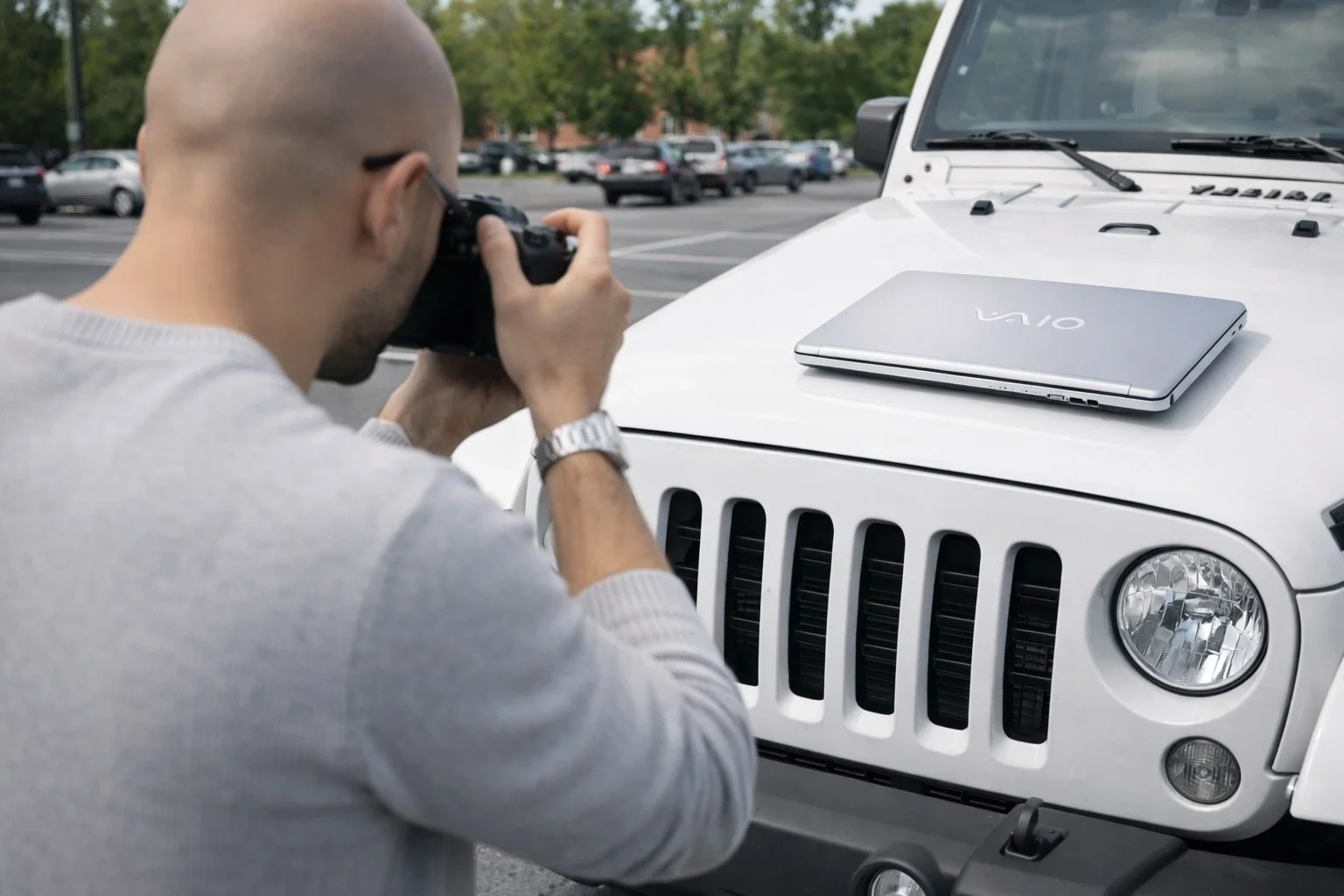
I remember we had to feature a specific, new laptop on the site, but we hadn't received the official glamour shots for it.
So, we grabbed a somewhat beat-up loaner we somehow had in the office, and staged a shoot on the hood of a teammate’s white Jeep. Cleaned everything up in Photoshop and put photos on the site shortly thereafter.
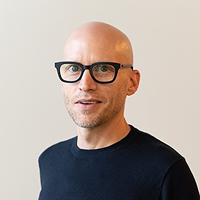
Jesse Mellon
Head of Creative Services, Quantum-si
AI recreation of the white jeep photoshoot
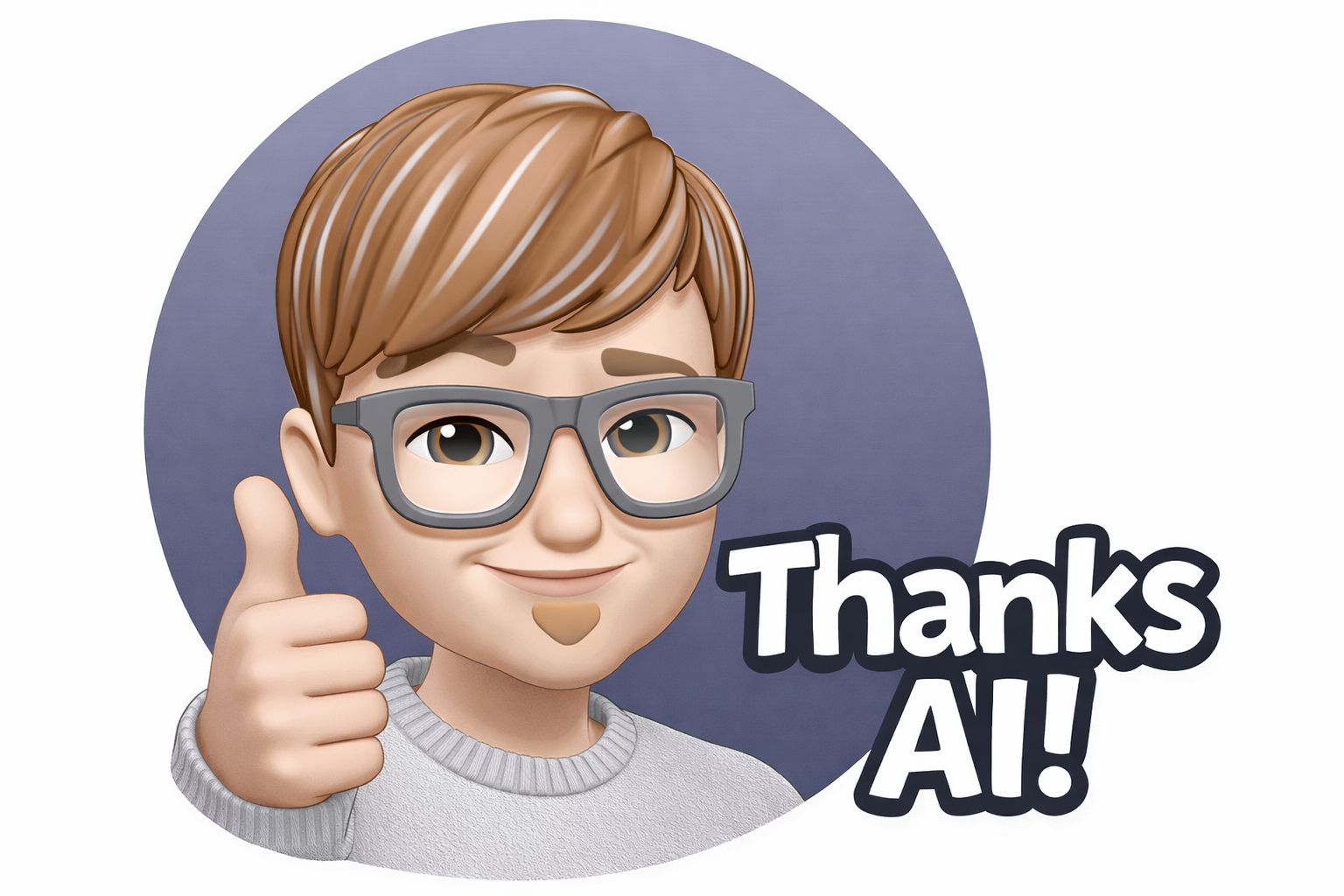
Dear Hiring Managers and/or Recruiters,
Witness my Zen mastery of AI. Please form a respectable LinkedIn line.
- Russell Bauder
Jesse Mellon was great to work with. He was exceptionally creative, but also thoughtful and thorough in his approach. If there was one thing that was true, Sapient hired great design talent.
Productivity comes with a cost.
The Sony job, in many ways, was an assembly line. We had product releases, with a dozen new SKUs, and you just had to build them all out, however long it took. We didn’t think much about time spent on tasks, estimates, etc. That is, until Rebeccas Alvarez showed up. She came in as a program manager, with the hefty challenge of organizing us, breaking down tasks, and ultimately establishing clear project estimates that could be used for staffing and billing the client (Sony).

When I joined the Sapient/Sony creative team in 2004, it was already a tight-knit, fun-loving crew, but their philosophy for getting things done was 'work hard, play hard.' It was my job to operationalize their creativity - to make it measurable, predictable, and efficient.
I worked with Russell to create our first design estimation tool from scratch. I pulled the merchandising managers, designers, and front-end engineers into a conference room. We dug deep into each creative step, sized and estimated the effort - which, as you can imagine, is no small feat for designers who can liken their craft to a spiritual journey. Russell helped me get buy-in from the designers. Operationalizing is easy on paper but hard in practice because it requires human buy-in.
After this experience, I was hooked. My skill and contribution to the team was translating creativity into business value. Russell and I worked for many years together. He was a thoughtful strategic partner; understanding how design is good for business and how to leverage it to achieve business goals.

Rebecca Alvarez Fitzpatrick
UX Operations Lead, Google

Open minds move forward.
I hadn’t reflected much on what I learned from Rebecca until I started revamping my portfolio. Program management was not my discipline, and while I had experience following project structures, the practice itself was tangential to me. I have realized that the skills I learned at Sony carried over to my next job at PayPal, where project estimations and tracking were at another level. Rebecca was pretty persuasive, and eventually my mind opened more to the world of organization. It has helped me throughout my career.
Lots of love.
There were so many awesome folks I worked with at Sony, and while I would have loved to include quotes and stories from them all, this section would have become an infinite scroll!
Still, I feel compelled to make some shout outs. I learned from brilliant engineers, program managers, product managers, writers, and designers. Some of them continued in tech, others pivoted. Successful dentist. Widely renowned modern artist. Great humans. Cheers to them all!
Christopher Lum
Freelance Web Developer

Matt Hergert
Sr. Director Product Management

Alexis Jain
Sr. Software Manager, Empowerly
John Klein
Client Partner, Microsoft

Teri Occiano
Lead Designer, Lovevery
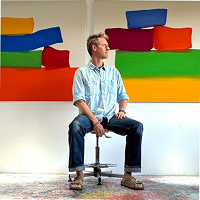
Andrew Faris
Artist & Creative Director

Michael Capio
DDS, Dental Solutions

Brooke Mason Eastman
Marketing Professional
Lee Fuhr
One Person Creative Department

Jason Boyd
Freelance Sr. Designer

Amanda Wilkinson
Sr. Director Marketing, Arkance USA
Michael McCole
Partner, Parallel AV
Ray Panarello
Sr. UX Copywriter

James Fiduccia
Principal Program Manager, Amazon

Kate Pietrelli
Managing Director, Path Advisors

Pete Niesen
Sr. Director, Salesforce
Sean Farrell
Growth Strategist, SPFsocial
Suhail Wakil
Partner, SBZ Technology

Rob Rovere
Sr. Business Manager, Sony

Scott Kirtland
VP of Sales, RealTime

Kendra Koder
Sr. Client Partner, Publicis Sapient

Levi Morales
Sr. Manager Engineering, CAI Parable

Laura Wolf Stein
Executive Director, Alex Morgan Foundation
Matt Uckotter
Sr. Program Manager, Apple
Gregory Lukens
Sales Director, Sigenergy

Bill Hendricks
Retired, former Sr. Director, Product
Lisa Pieri
Marketing Professional
Amy Vercoe
Founder, Vercoe Consulting