
Oh those college years.
2007-2013
The line between work and play was pretty blurry.
Paypal was a playground.
Ask someone you know who worked at PayPal - and you must, because PayPal is like the Six Degrees of Kevin Bacon game - and they’ll probably tell you it was a lot like college. Formative. Wide open. Hard fun, hard work. There were beer busts, hackathons, outings to Alcatraz, new product offerings, and so many opportunities to learn, succeed, fail (learn), and try your hand at many things.

PayPal was a memorable time for me.
It was my first job in tech, 2005, and I learned so many foundational things like global product design, marketing, accessibility, and working with different time zones. It was like college in that way - you made friends for life. I saw everyone as an extension of my family.
The supportive environment helped me try new things without feeling overwhelmed. I felt comfortable pushing boundaries, designing a controversial new check out flow, and building out interactive Flash campaigns that were very new at the time. I didn’t hold back, I was trying to push the envelope every chance I had, and it was the culture that made that possible.
Jacqueline Cisneros
Co-founder, Circora

make time for free think.
patent play
Giving the advice “Make time for free think” may come off as absurdly obvious and conference level vapid, but let me fill it in a bit more.
I came into PayPal with little exposure to software development or Silicon Valley, so everything in my view was shiny. Like college, you could err on spending too much time partying - there was always a dot com social to attend - or you could get stuck in the weeds of your day to day work. I did some of both, but what really got me going was innovation.
It’s easy to say ‘make time for free think’, but it also helps to have an organization that supports it, that gives you space to experiment.
Fast pay (2010 - US20120158528A1)
NOT APPROVEDIn 2010, PayPal was still very much eBay transactions and online sales. In person payments was barely in play. PayPal was born of innovation, and had a program to encourage its continued disruption - PayPal Innovation Labs.
Wesley Hsu - an engineer I’d been working with on various projects - came to me with a simple idea for in store mobile payments - create unique identifiers for PayPal merchant IDs. He needed design support for a Labs entry, and he thought of me. I jumped on it, and we brainstormed ideas. The identifier could be a QR code. It could be printed on bills. What if it connected to restaurant seating software? It just so happened that WeChat Pay and AliPay in China were onto the same payment thing.
It wasn’t until 2014 that restaurants starting integrating QR codes into their software, four years after we submitted our patent. While it never got approved - likely because of its vast coverage and numerous competing patents, it was a great experience that I’ll never forget.
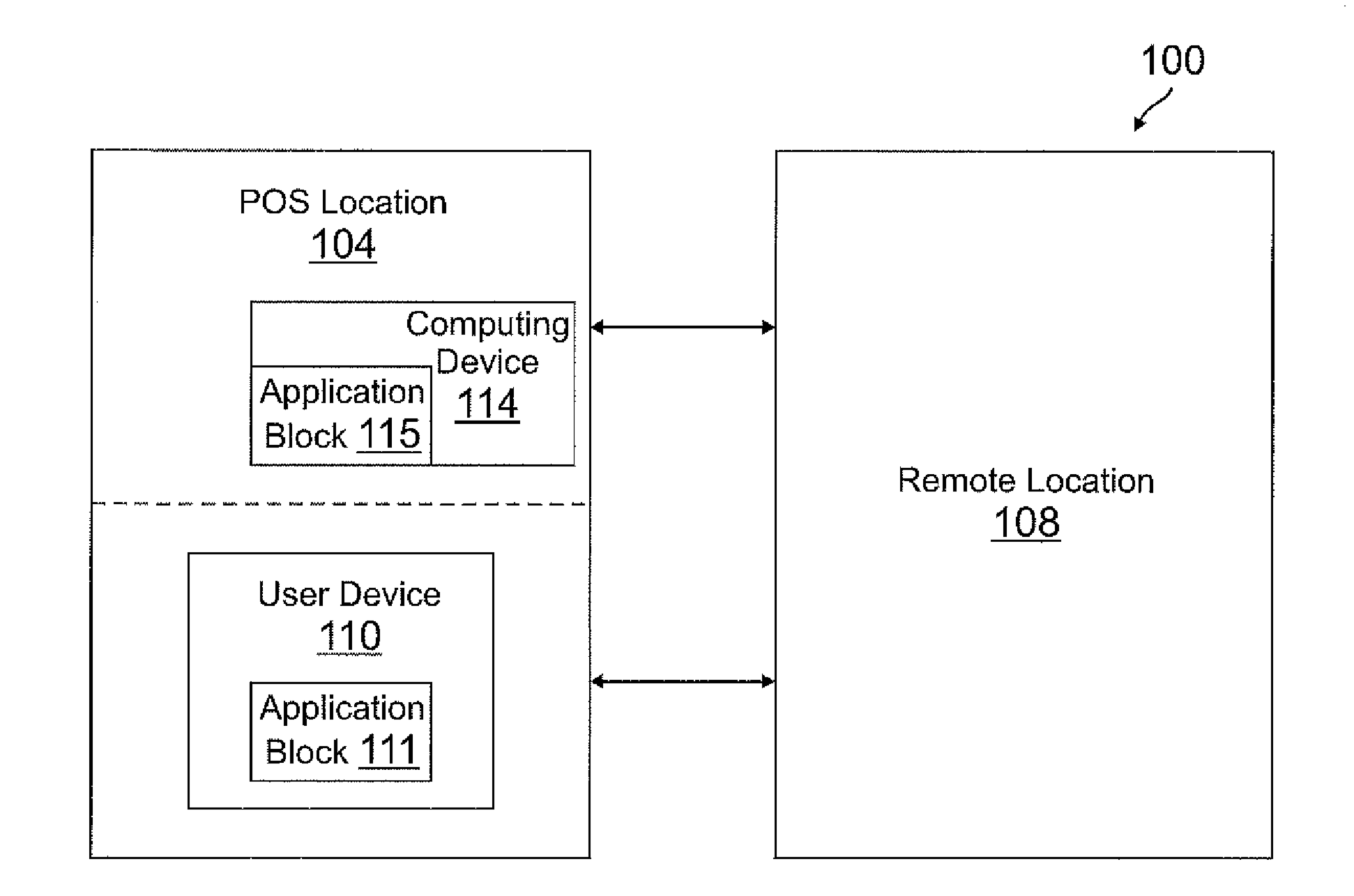
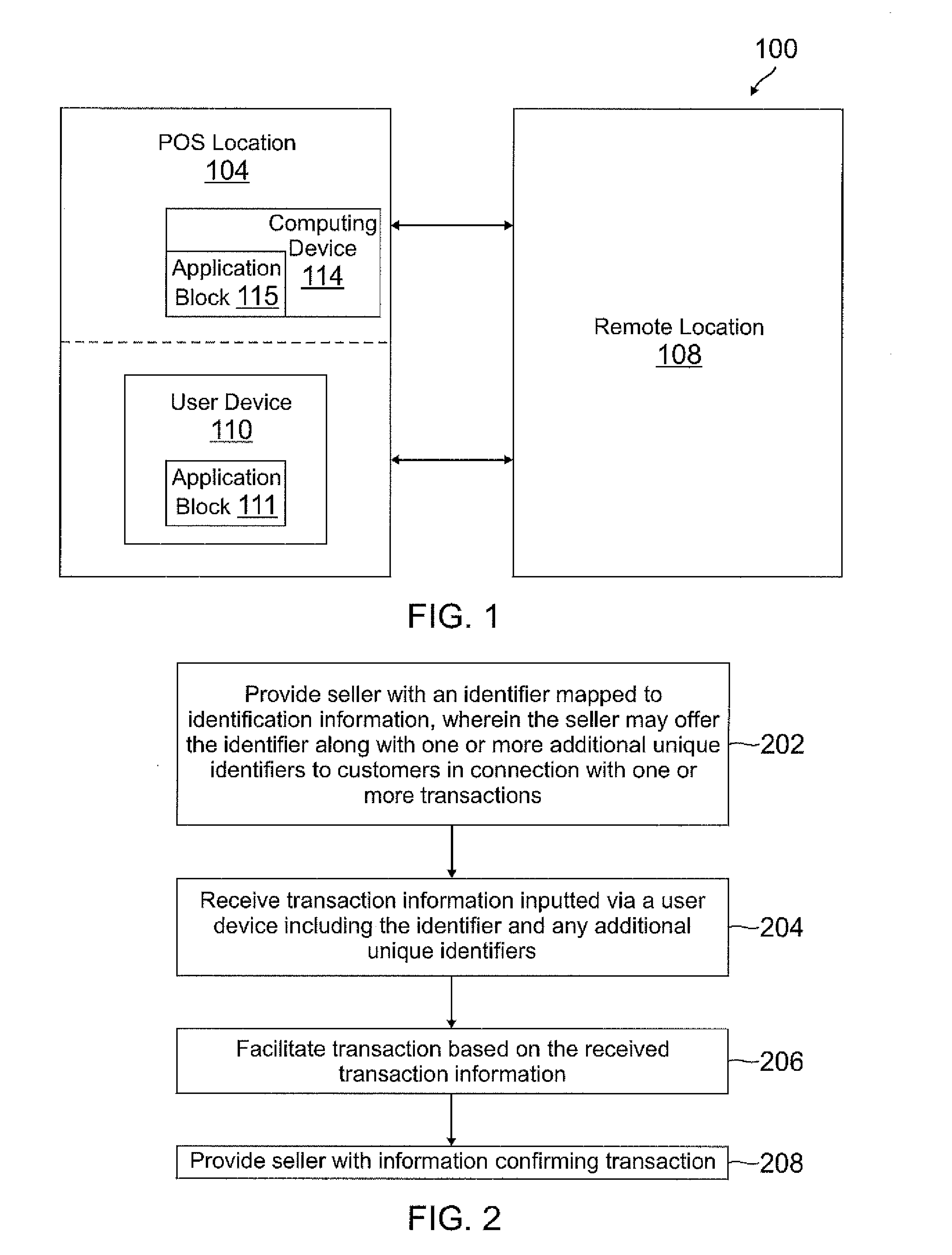
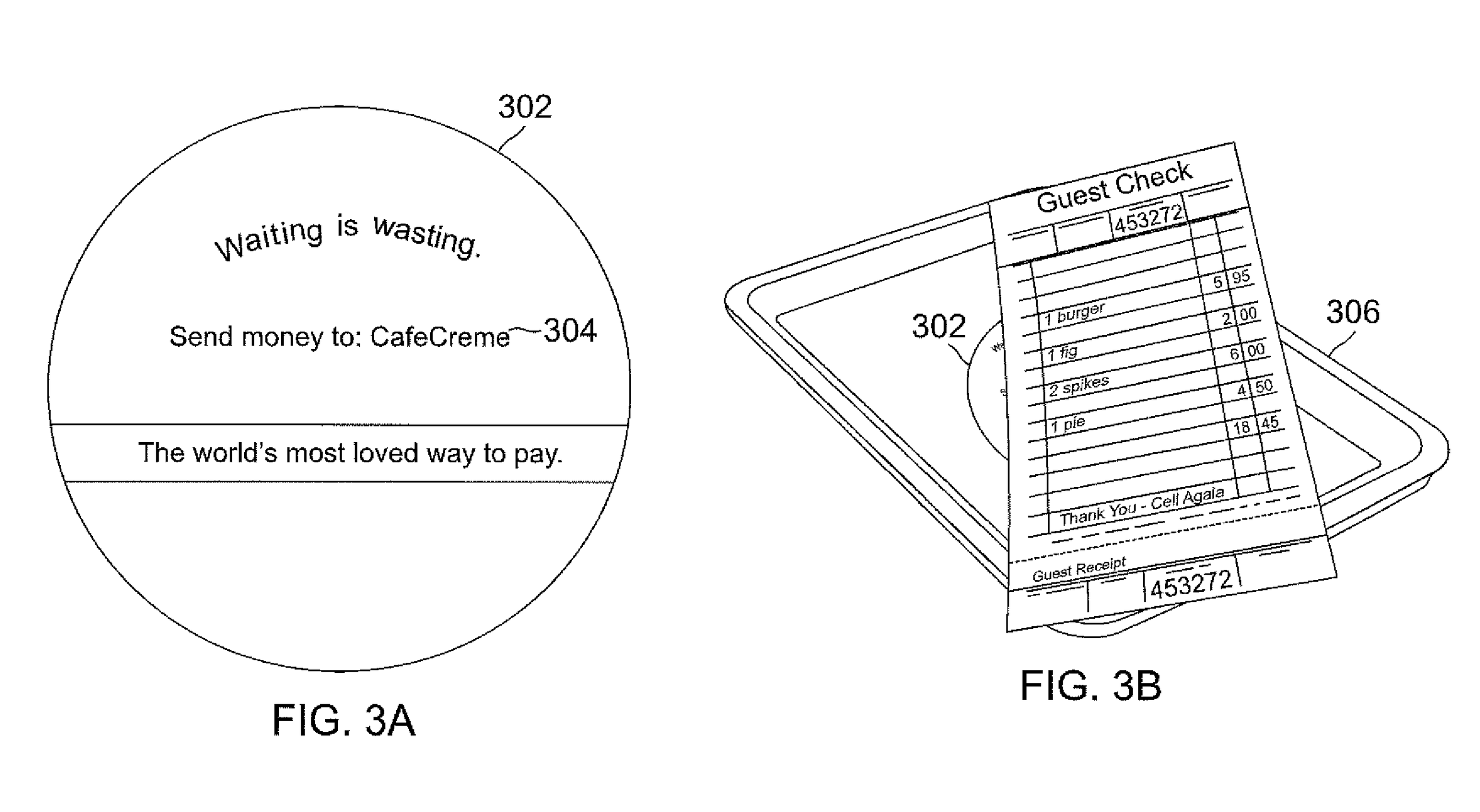
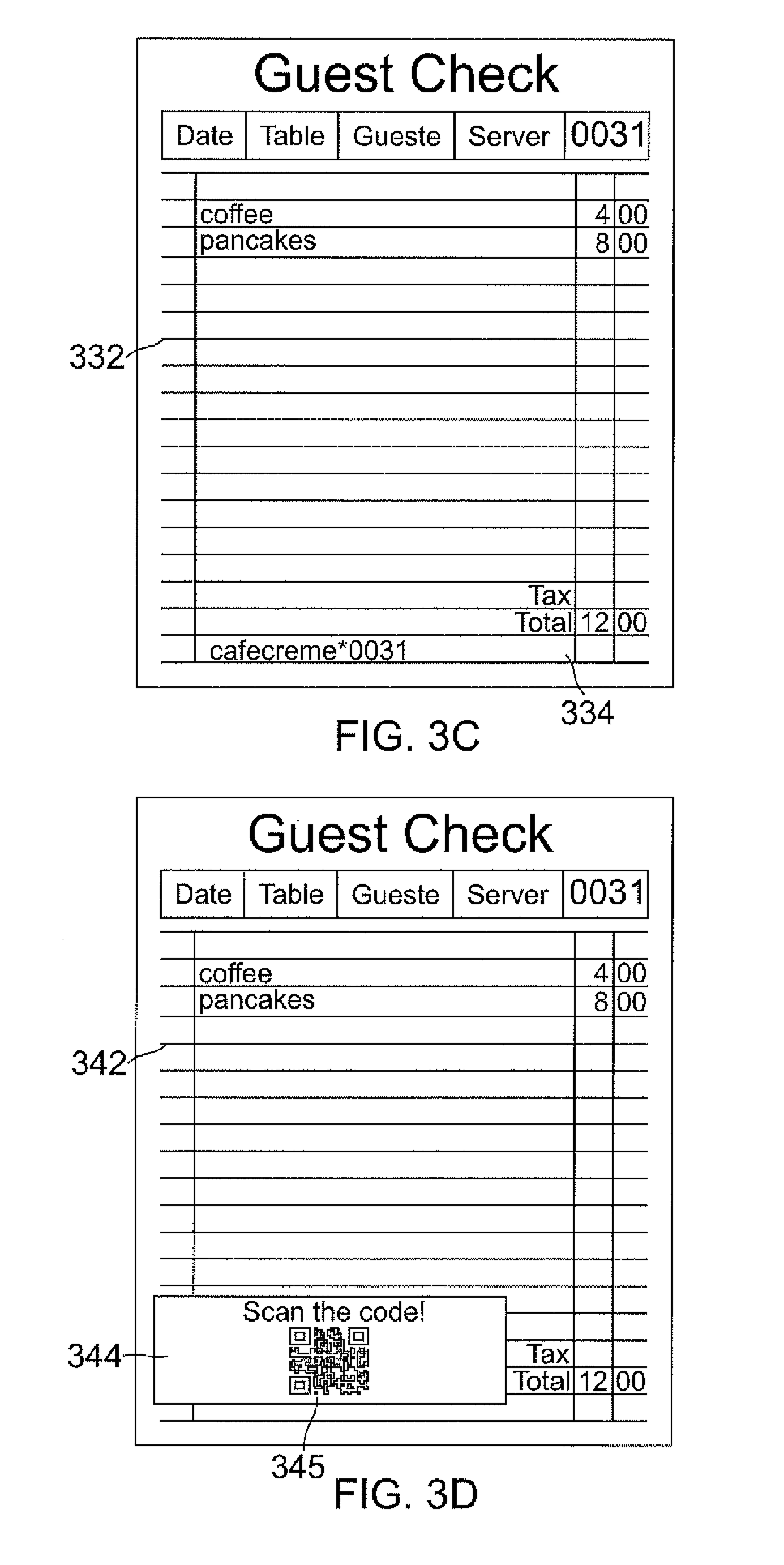
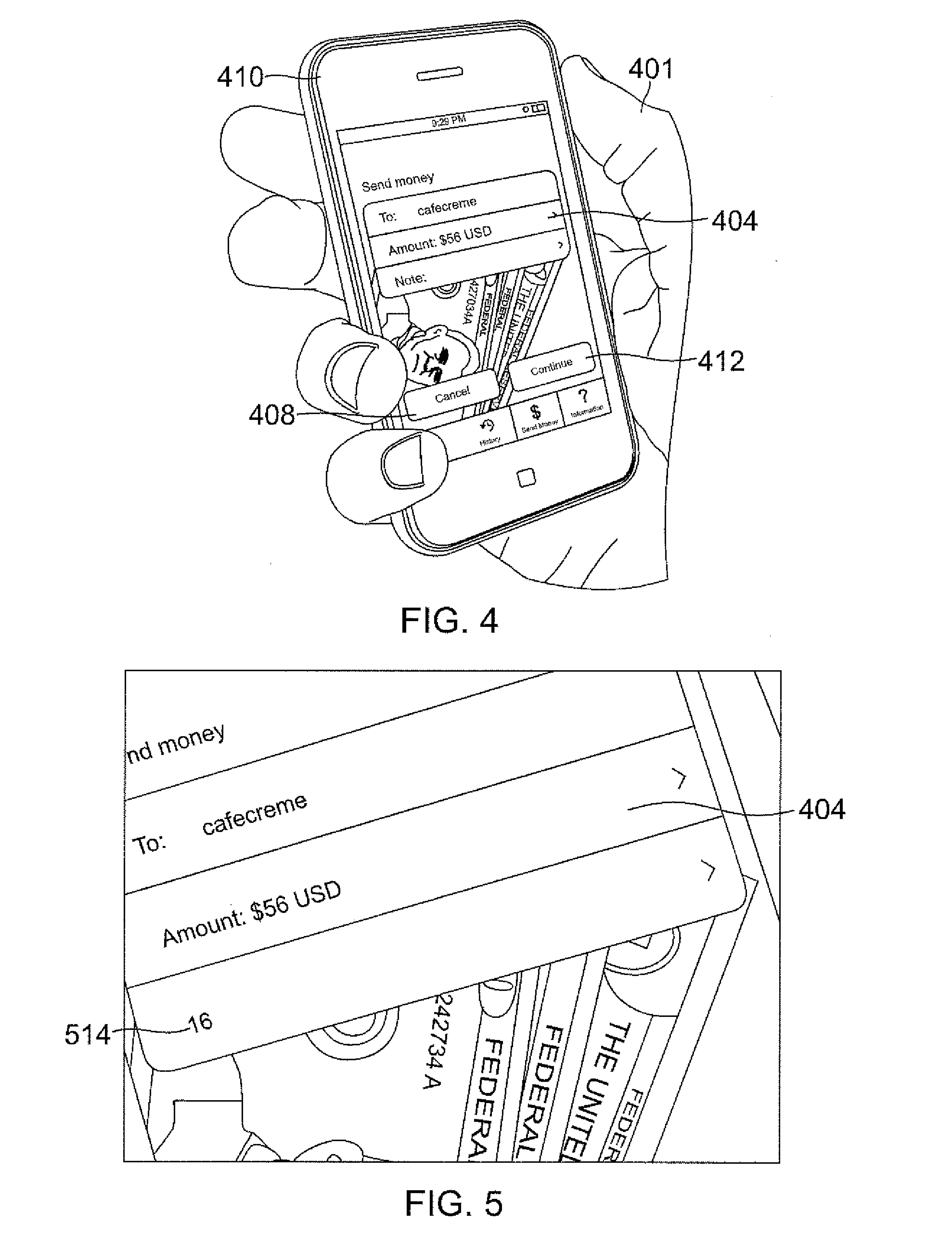
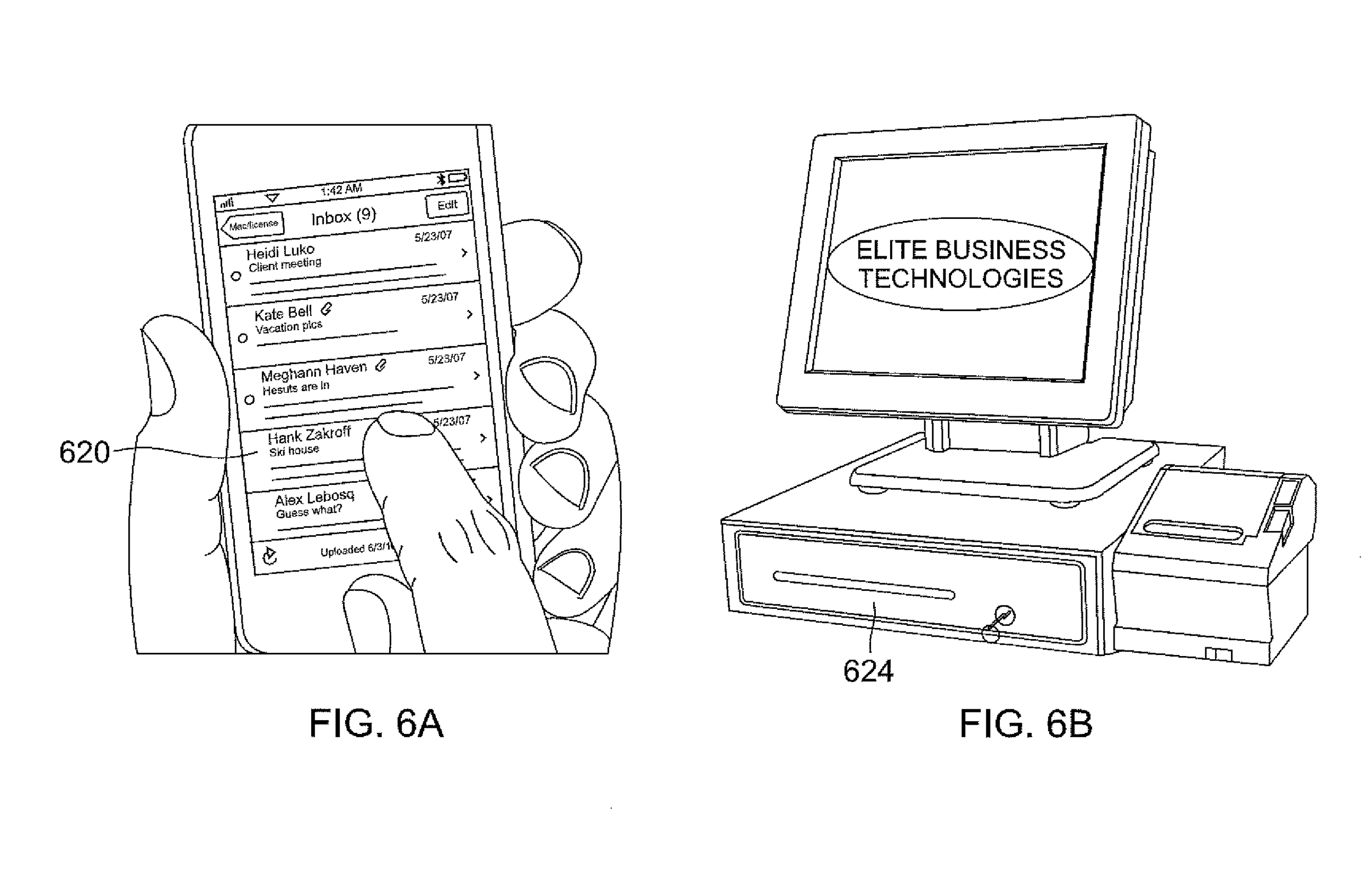
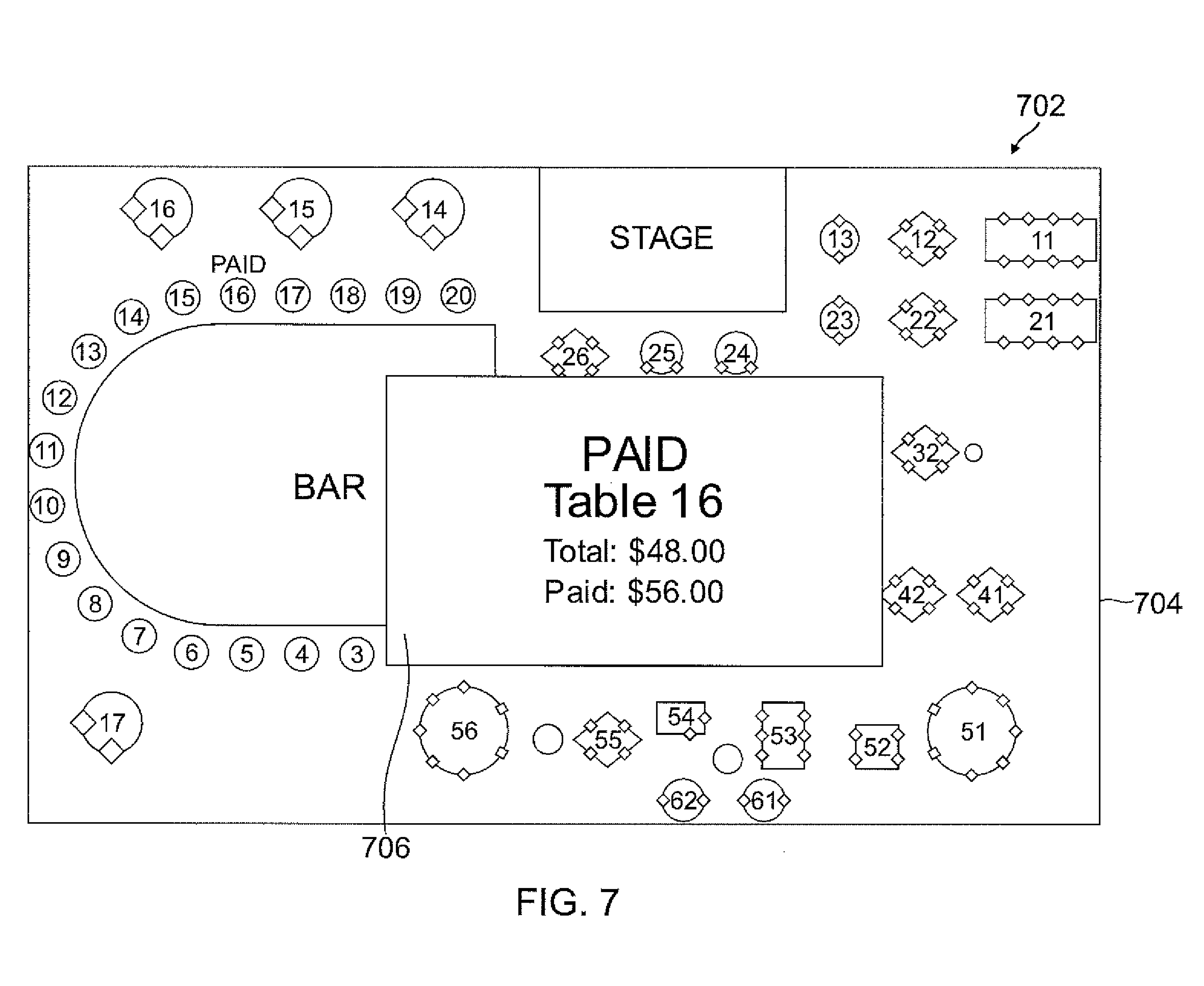

I helped introduce the QR code concept, restaurant seating integration, and put together the deck and presentation materials.
PayPal’s early legacy of 'leap ahead' innovation was the engine behind disrupting, then setting the standard, for the payments industry. When the company shifted its focus toward incremental improvements, it opened the door to a new wave of disruptors.
As a part of the Innovation Lab and Innovation Showcase teams, we pushed the boundaries, but most of these ideas were never built beyond the vignettes we featured in the Showcase.
One of my biggest professional regrets is not being able to take many of these ideas to market - ideas that other companies launched well after we laid out the initial concepts.
Darwin Lui
Sr. Product Manager, eBay
paypal innovation showcase
It has been really fun catching up with colleagues from over a decade ago, and Dar and I chatted a lot about the great culture at PayPal, the freedom to explore ideas, but also the frustrating lack of follow-through on product ideas. He was helpful on many fronts, from innovation to product management to program management.
About three years after our Fast Pay patent was submitted, PayPal built out an innovation showcase. Dar helped organize and lead the showcase. The first image in this carousel is the restaurant, which was based on the use case we spelled out with Fast Pay.
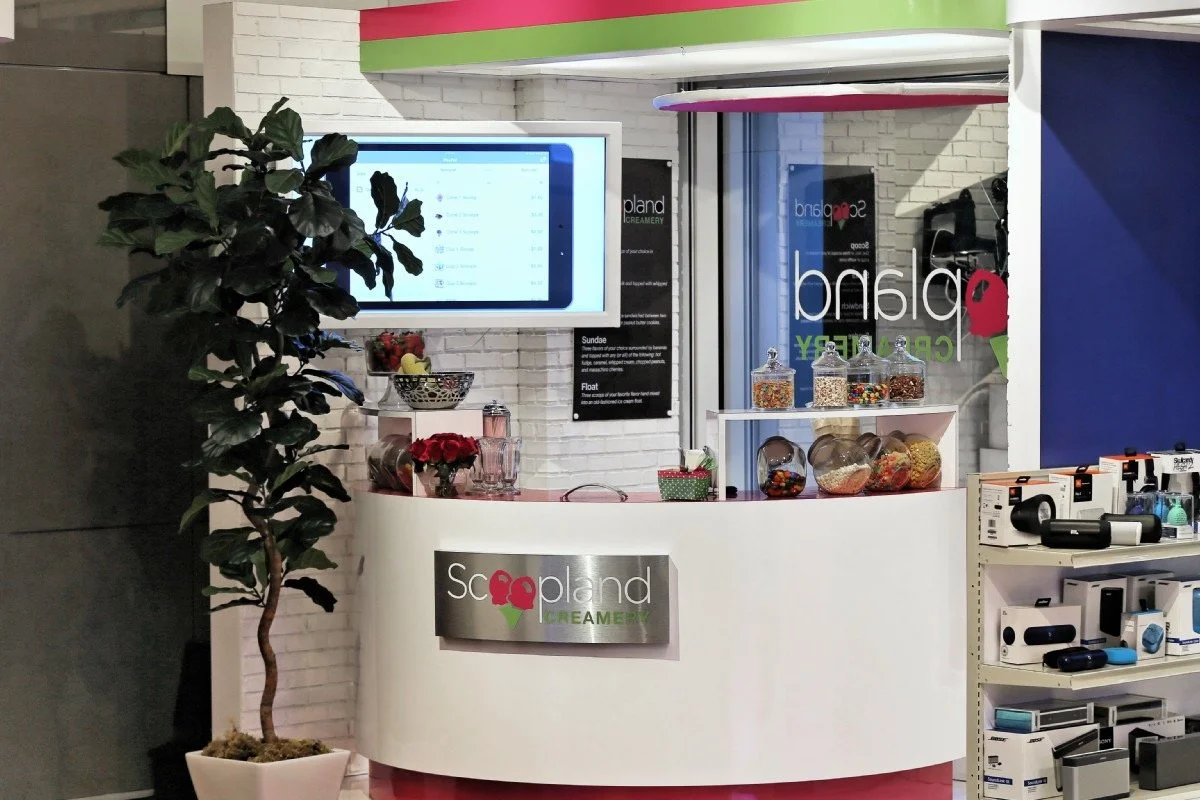

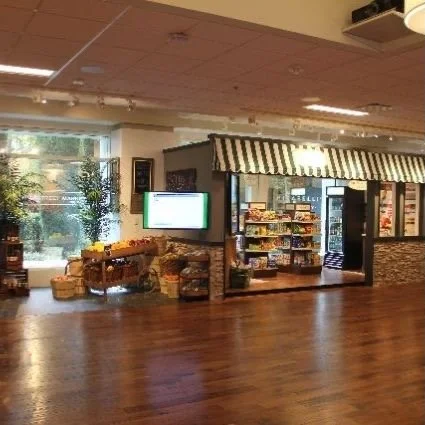
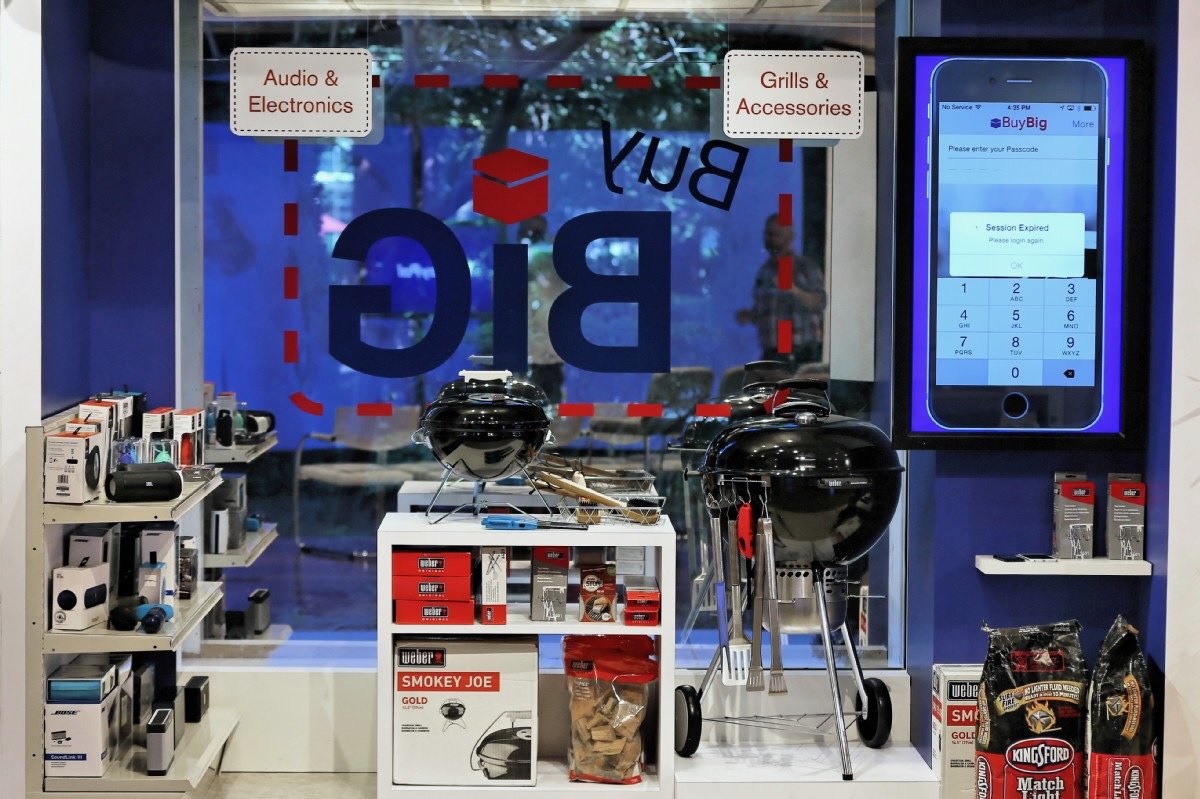

The lure was the curiosity and excitement of working with new technologies, especially mobile and wearables. We were challenged to disrupt the payment experience: to create a digital wallet that would replace the overstuffed wallets in people’s pockets and purses.
We experimented with many emerging technologies and ideas, experiencing both successes and failures. It still amazes me how many of those concepts are now part of everyday life—at events, in stores, online, and on the phones and watches we carry. When I think back to the people involved, I can’t help but smile: amazing humans, coworkers, and companions.
William Clarke
Executive Director, JPMorgan Chase

IT’S THE THOUGHT THAT COUNTS.
paypal here offline(2013)
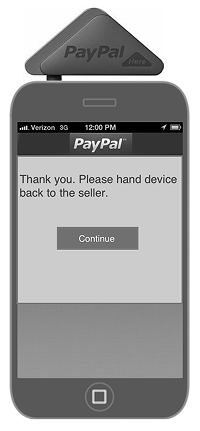
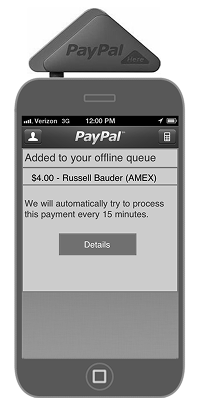
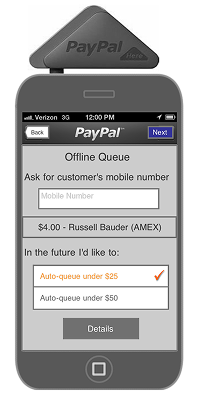
NOT SUBMITTEDIn an industry that revolves around results, you always feel a bit weird sharing work that can’t fit into some kind of success metric. But here’s why ‘the thought’ counts: your ideas are part of a larger personal process of innovation, where you continuously refine your own creative thinking. Keep at it, you’ll land on something.
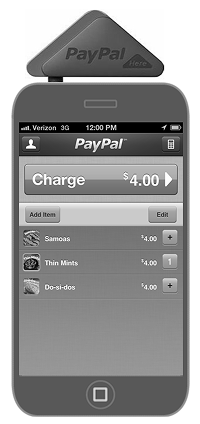
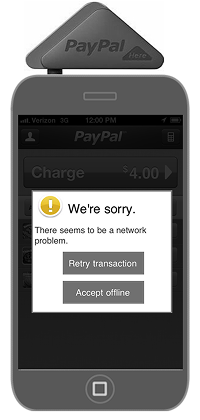
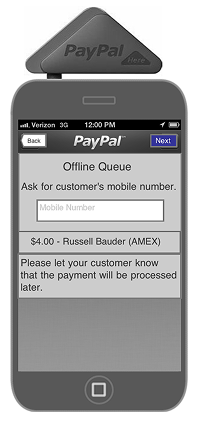
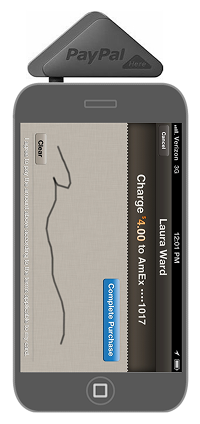
Being part of the experience design organization, we were often talking to customers, in our research space, out in the field, or at their place of business. During discussions with customers who sold goods at outdoor events, the notion of connectivity would come up. Old school knucklebusters could get imprints of credit cards to be run later. But if you have a phone with no connection, what can you do?
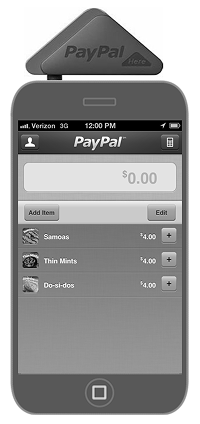
I worked up these crude wireframes in a few minutes to illustrate the idea. I brought it to product management and engineering, both of whom thought it was a good idea worth exploring.
We ran into a few problems. PCI compliance was difficult back then, and it was determined that storing the credit card info was problematic (even if temporarily).
Further, card data security was already an issue for any payment processor in the mobile space, and PayPal was fighting a number of regulatory battles on that front. It was put on the shelf to be considered when PCI stuff was figured out.
A patent wasn’t even on the radar for me - even before the PCI consultation - but it was considered viable for that.

Among the many projects I worked on, one that deepened my pride in the company was my time with the Risk & Compliance team, where I got to refine the human‑centered design for Account Level Holds.
That work made something clear: competitors can build payment products to chase market share, but PayPal is fundamentally a financial risk‑management company, an arena that is extraordinarily difficult to build for. Our product, architecture, and data teams had created sophisticated models to flag and mitigate risk, and the system was wired like a piece of art.
As a UX designer, my role was to make the experience on top of that complexity more understandable and humane. No one likes having their account on hold or their goods delayed, but thoughtful design can make those moments less painful.
Dolly Parikh
Impact Strategist, The Nature Conservancy

you champion the experience, not a design.
This isn’t revelatory wisdom, but an important motto that you should hang in the hallways of your office. Once we start work on a product experience, sometimes it is hard to back out of designs even if the right move is to change course.
Account Level Holds (2011)
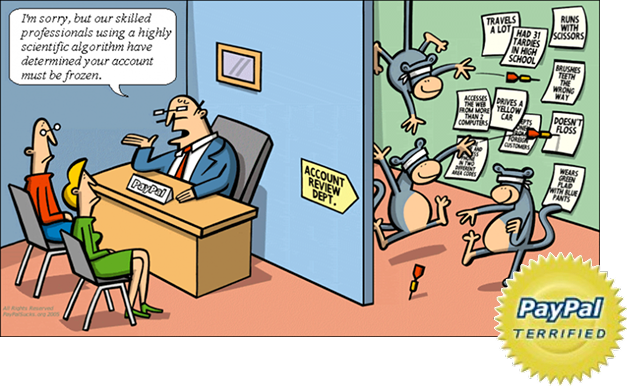
I hadn’t been at PayPal for more than.a couple weeks when I heard of PayPalSucks.com. The world of online transactions was rife with fraud, and our Risk group had to manage it well, or we’d all be out of a job.
The problem was, we took a reactive approach, letting predictive models and blanket policies freeze funds and piss off customers.
This was a problem our PM - Adam Braasch - was well aware of, so he worked closely with our UX team to solve it. We did research on the impact on customers, and Adam laid out the plan. We removed seller goals from payment holds, and instead introduced sellers to the whole process upon their first sale, not when a transaction was flagged.
Results:
Reduced contact volumes by 20k/month, decreased number of sellers impacted by adverse actions by 145k/month from 2.3% in Dec. 2011 to 0.5% in Q4 2012. csNPS 20 point improvement from 11% baseline for legacy and 31% for new experience.

I helped the team with research, supported them in the effort to change the experience, and advised on messaging. 
PayPal was a company that grew really big, really fast -- the kind of environment where teams cranked out new features constantly to keep our lead in the payments space. We could get away with "good enough" for a long time. But as we were growing into a mainstream consumer brand, we had to go back and reconcile all these disparate parts into a cohesive experience.
We had a room full of the smartest people I know, and it was still a challenge for us to get back to the basics of product and content design, and to step outside of our box to connect with the users.

Rachel Kumar
CEO, Weirdly Kind Charities
C.A.R.E. (2013)
While Rachel is referencing a different project in the above quote, it is a great lead-in to the Compliance & Risk Enablement initiative. And by the way, Rachel was that smartest person in the room, but it was always coupled with kindness.
PayPal indeed grew fast, and grew in different countries with various needs. The Risk and Compliance groups formed separately, producing experiences that would restrict or make demands on our customers, but sometimes in very different ways.
Hendrik Kleinsmiede came into PayPal around this time, and we were on him pretty quickly about these inconsistencies. He was head of Global Design, so he had some sway to address this. He formed C.A.R.E., looking to create a shared framework that not only found efficiencies with the tech, but also improved the experience for our customers (who sometimes were asked to provide the same information at the same time, but from totally different requests!).
It wasn’t just that Risk and Compliance were two distinct groups - as to an explanation for the disconnects - they also had different charters. Risk was about minimizing losses, working from probability models. Compliance focused on satisfying regulations, applying rules and manual process.
The Risk group was centered in San Jose, and Compliance in Singapore. It was decided we’d send a small group out to Singapore for a meeting to tackle this large challenge. We shipped off a designer (Brian Folsom), writer (Janice Ishizaka), and a PM (Elizabeth Belda). Given my role on the project - I should have been there - but my wife was 8 months pregnant at the time and I made the call to stay behind.
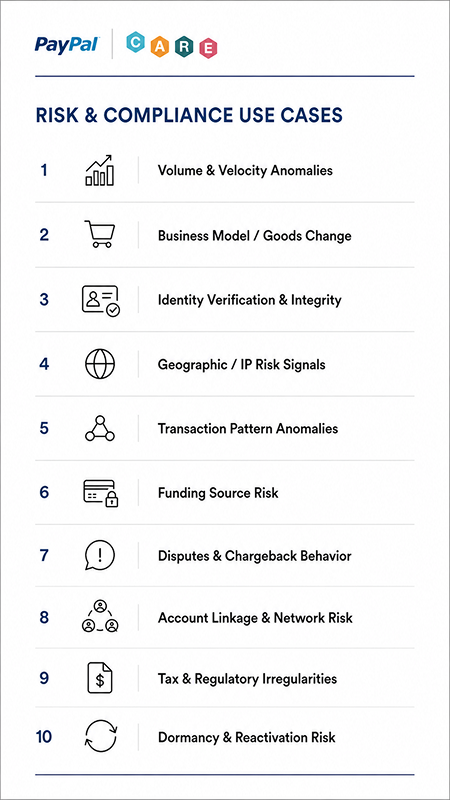
The goal of the working sessions was to go through use cases - note conflicts, differences, best practices - and come up with a plan to establish a shared framework. The UX team did high level heuristics on the experiences, covering the flows, messaging, etc.
up and down the fidelity scale
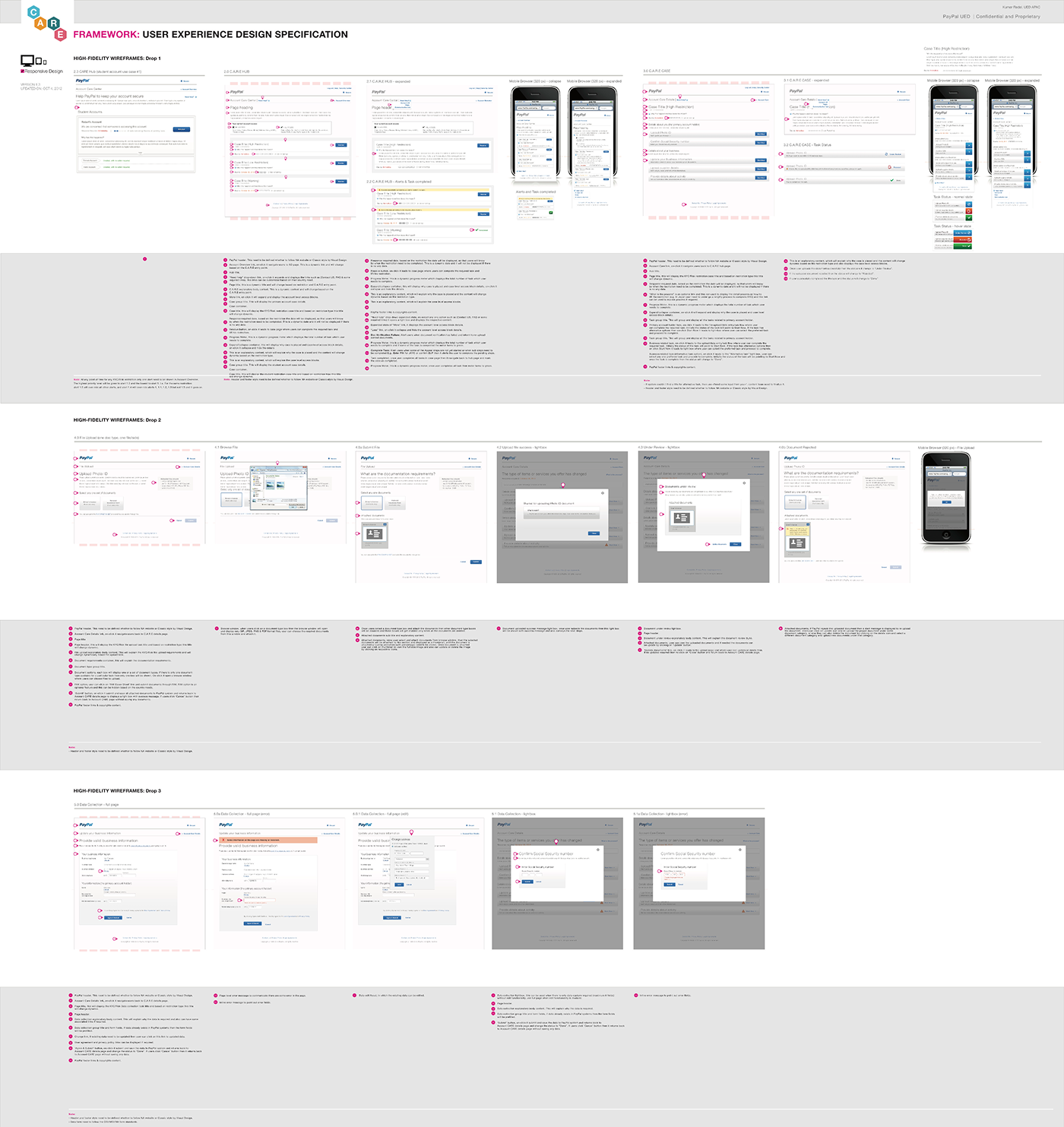
A mistake that has been commonly made in design is to see fidelity as a linear progression (from napkin sketch to pixel perfect in a straight line). Now in 2026, most design organizations know better, but 10+ years ago that was not the case.
For C.A.R.E., we went up and down the scale when we felt it was appropriate. Some crude wireframes stayed always internal, while others took on higher visual fidelity, but the content was still not mature. We did this because they were used for design system guides, or when we had stand alone prototypes that needed more realism in feel, even if the content was still relatively immature.
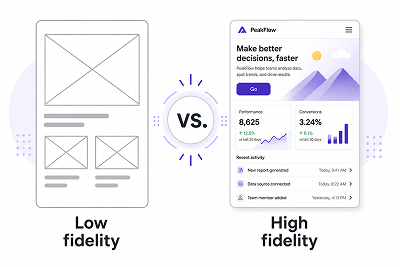
Content maturity and visual fidelity are not a three-legged race.
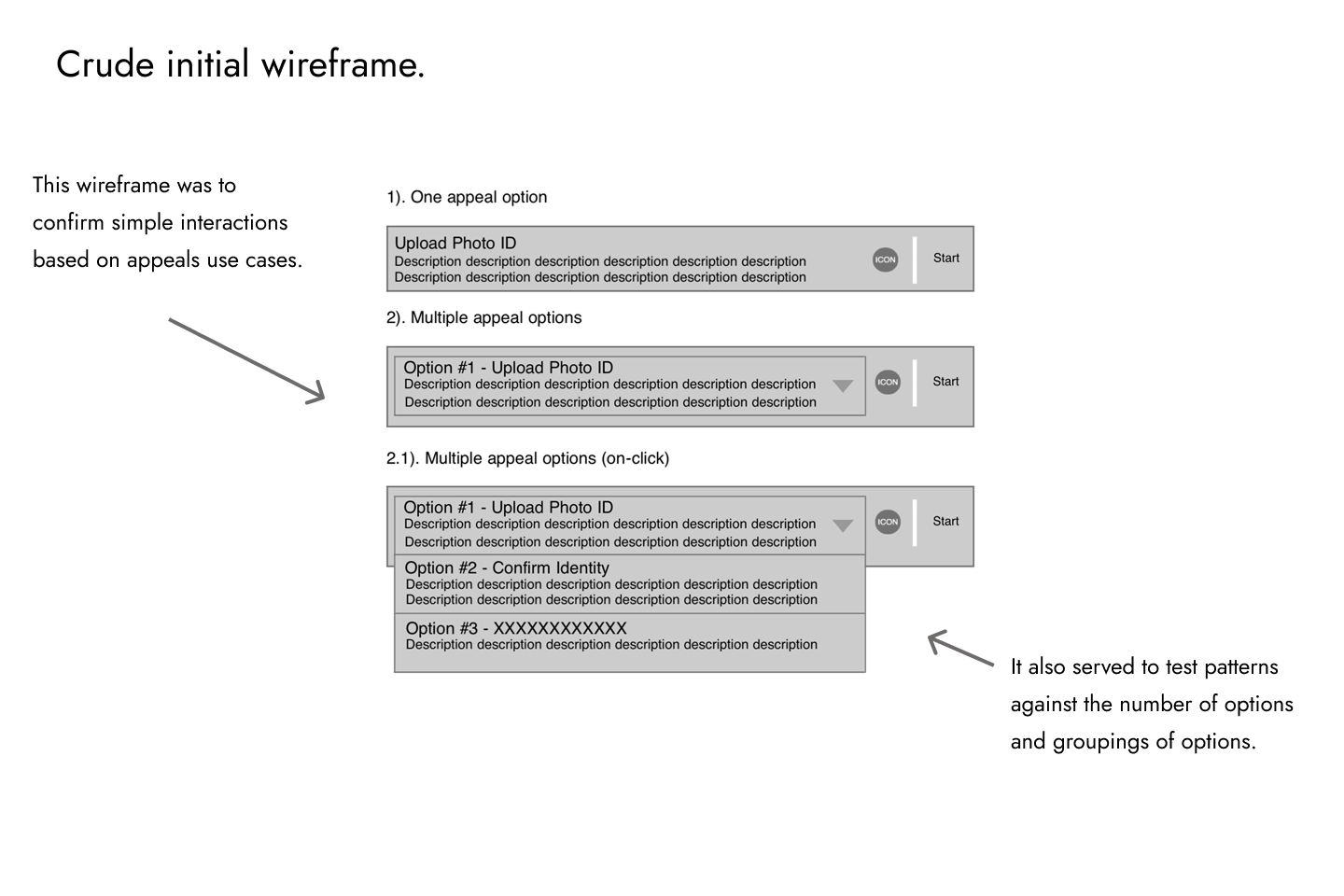
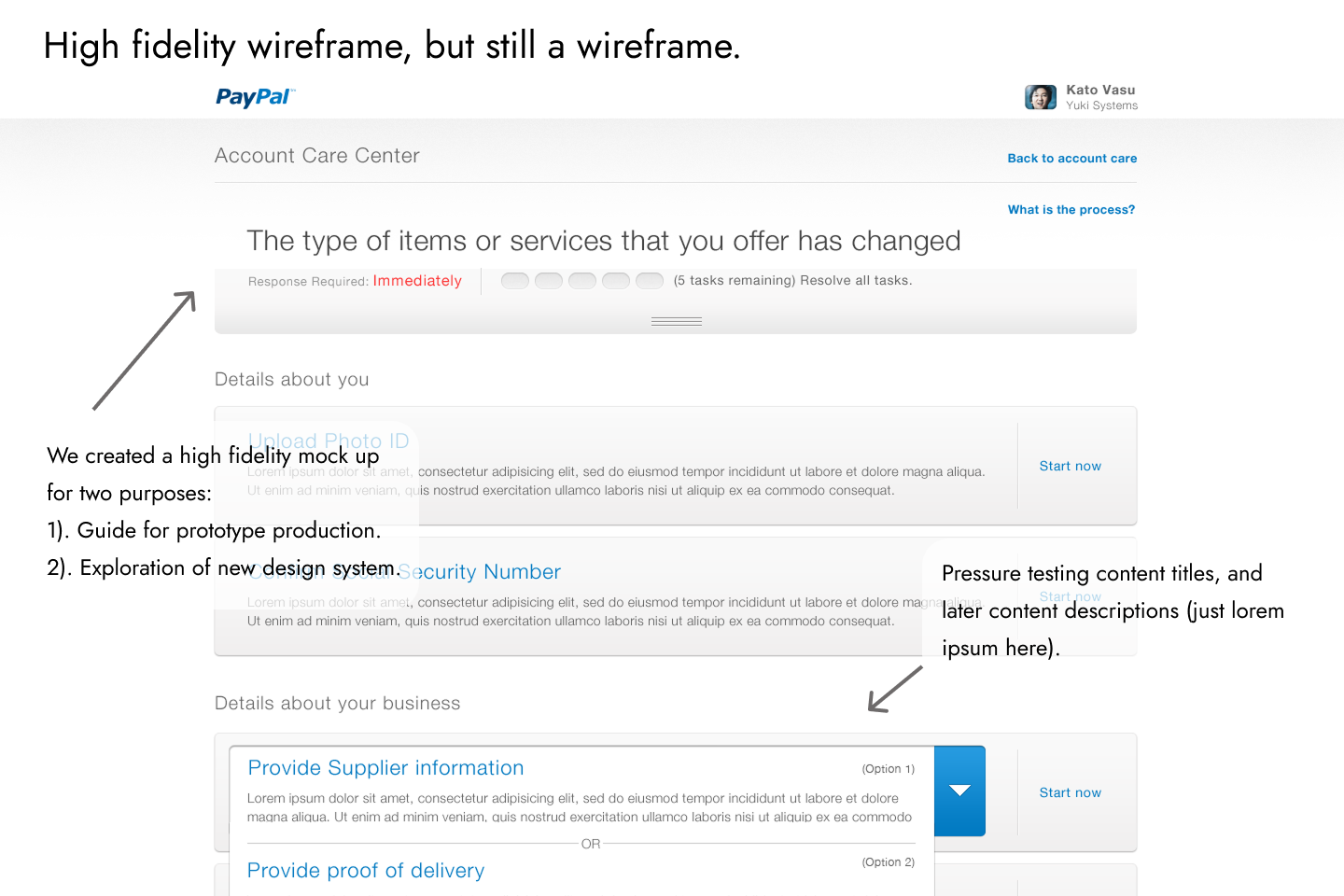
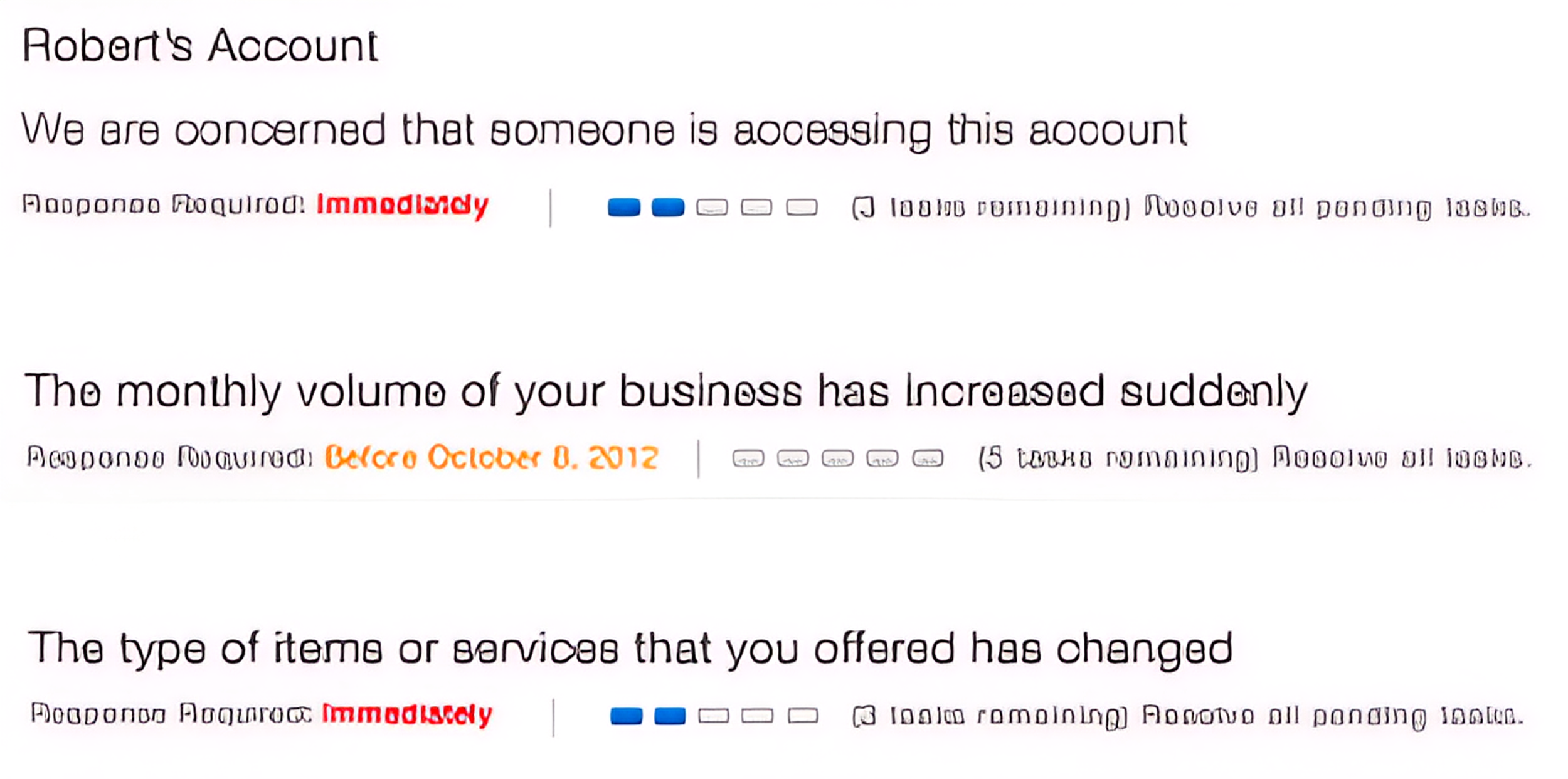
We swapped in and out high fidelity action items to see how customers interpreted the content.
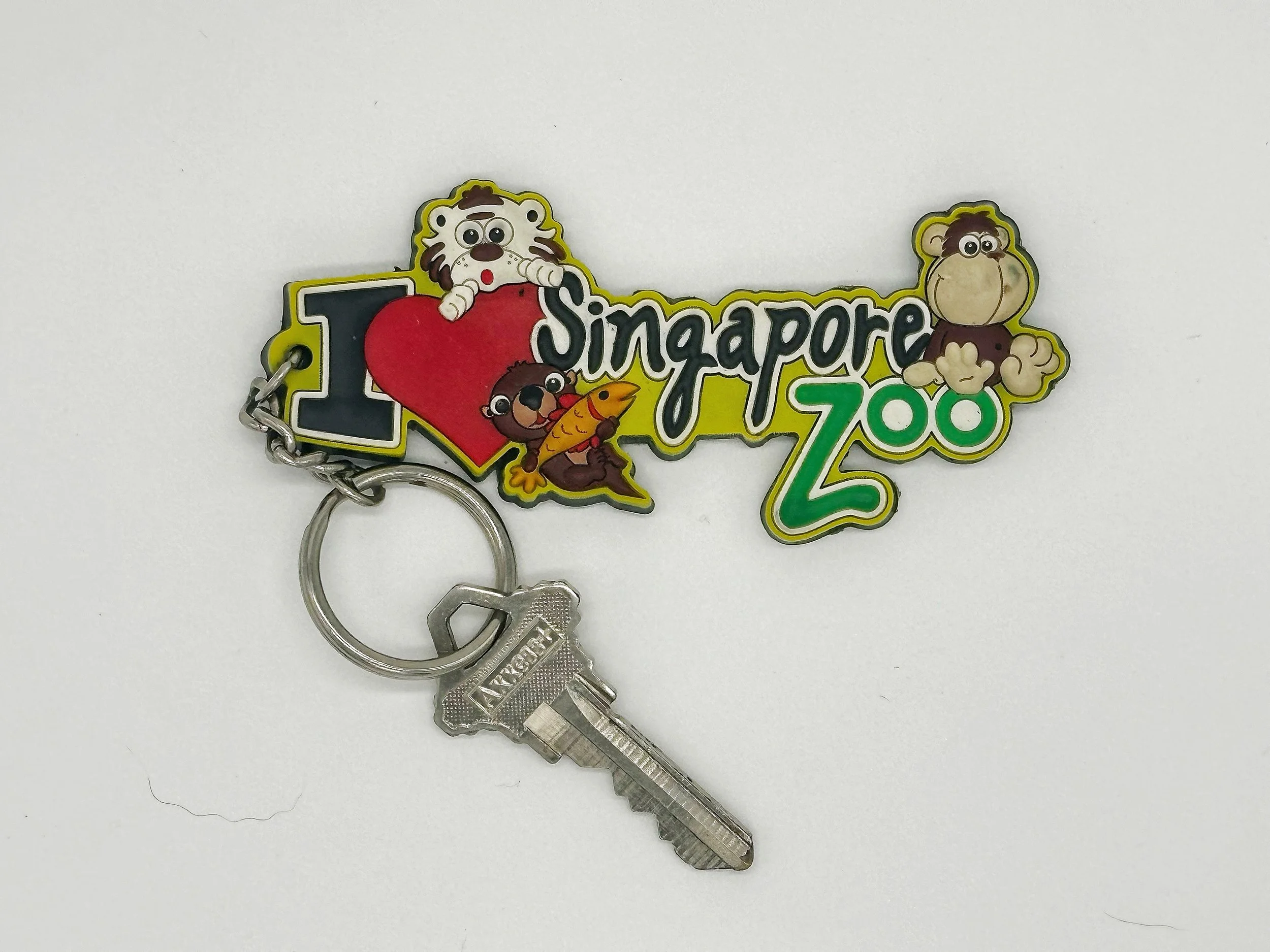
We had this big cool project with Singapore, and I all I got was this kinda cute keychain.
a foundation
Ultimately our designs did not see the light of day. A new design leader came in before they were launched, and ushered in a completely different style. However, the most important part - evaluating the use cases and starting work on a technical framework - is the legacy we left the next team who finished the job.



Totally suss. Like I C.A.R.E.
I was issued 5 patents before breakfast.
Do you even have an approved patent bro?
Tyler Brough
Sr. Meta Ninja, Manosphere AI
Congrats on the morning patents Tyler!
Thanks for the question.
The answer is: I have two approved patents, but only one from PayPal. And it was really unexpected. Let’s take a look at it!
Russell Bauder
VP of Product, Reef Media

Solve once, help many?
X-Y (2012 - US10775964B2)
While it might seem I was sitting around scheming how I’d score another patent, it was honestly more about solving customer problems.
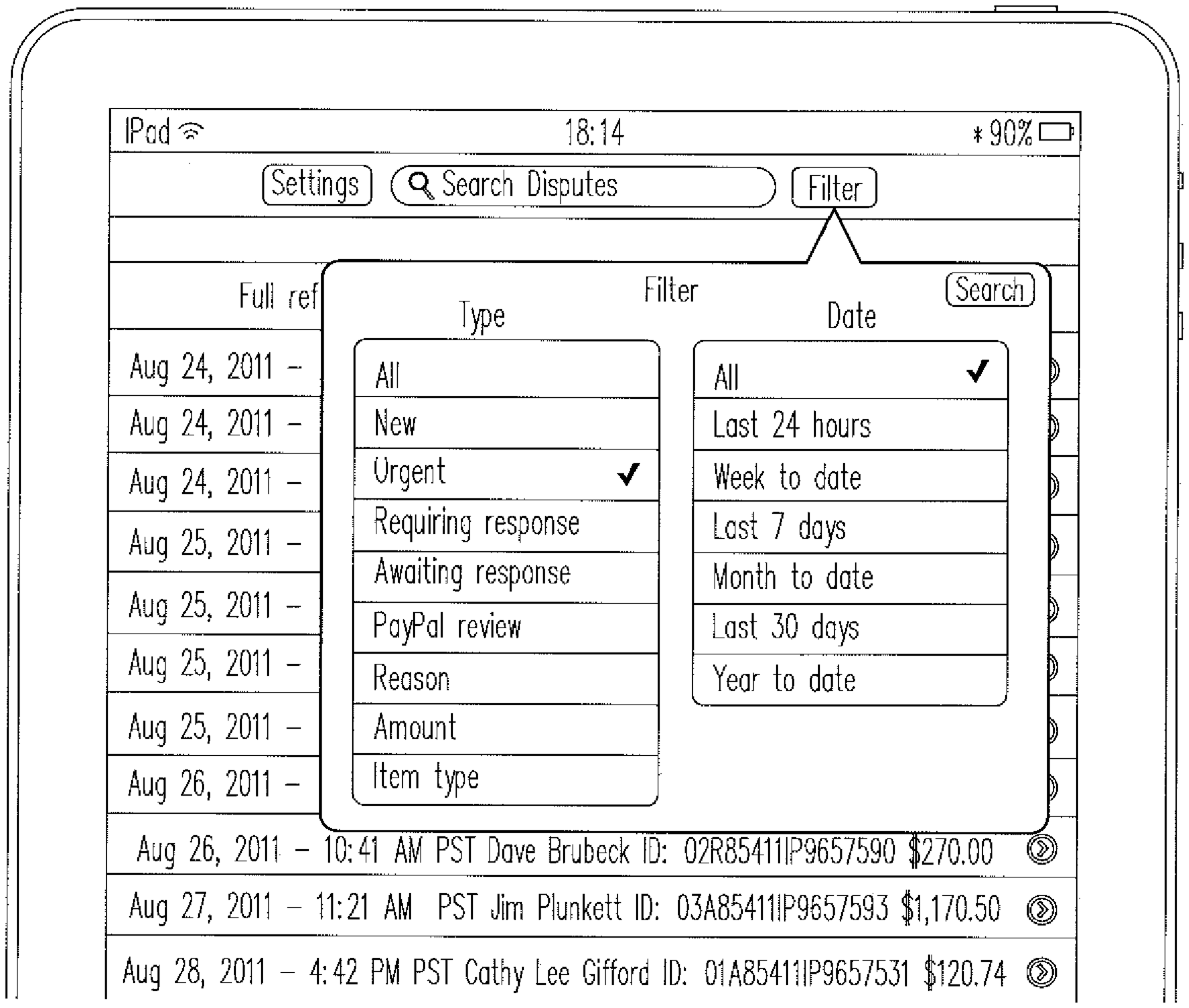
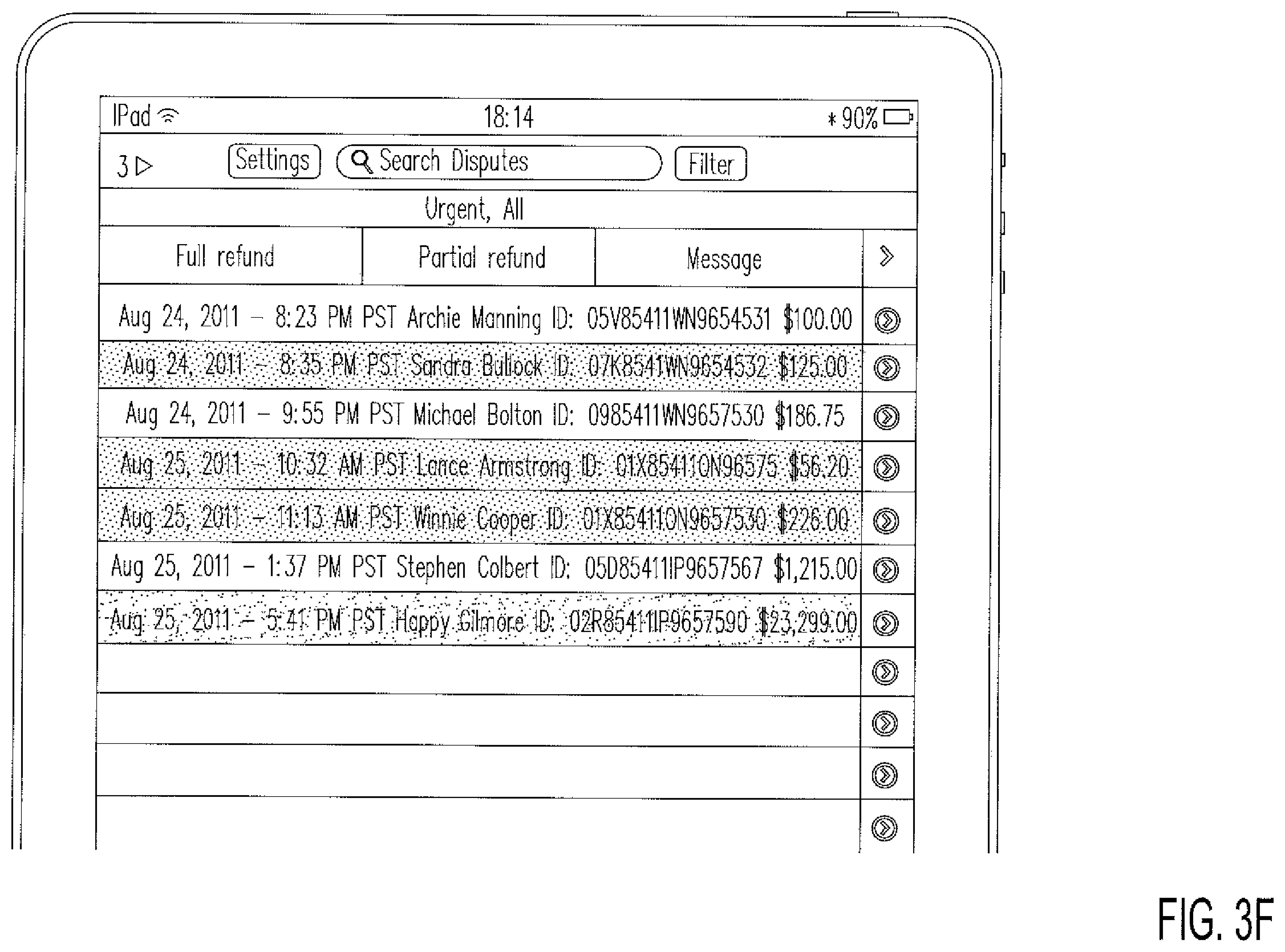
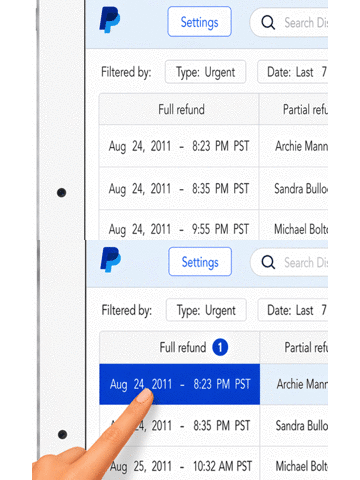
For “Selection and organization based on selection of X-Y position,” I had been listening to customers complain about managing all their refunds and disputes. 14 years ago, automation was not standard, particularly for small merchants. So, in my evolving UX mind, I centered on an interaction to help solve the problem. I had been thinking about an efficient way to pair an action with a transaction line item. I took the idea to Egan Schulz, the mobile design director at the time. I wanted his expertise on selecting actions based on tapping where a column and row intersected.
He had really good thoughts on how the interaction might work - and that was really useful. But then he said - “I think this is patentable.” I was shocked, as it seemed so obvious, so simple. And it was, but it also had not been patented.
We worked together on detailing out the interaction, and took it to our lawyers. I wasn’t optimistic, but by gum - yes, by gum - it was approved. And guess what? It has been extended to 2034. Who knew.
(p.s. This interaction never was used for PayPal refunds - unfortunately - but similar interactions appeared on Kanban boards and music playlist management. Maybe it solved someone else’s problem?)
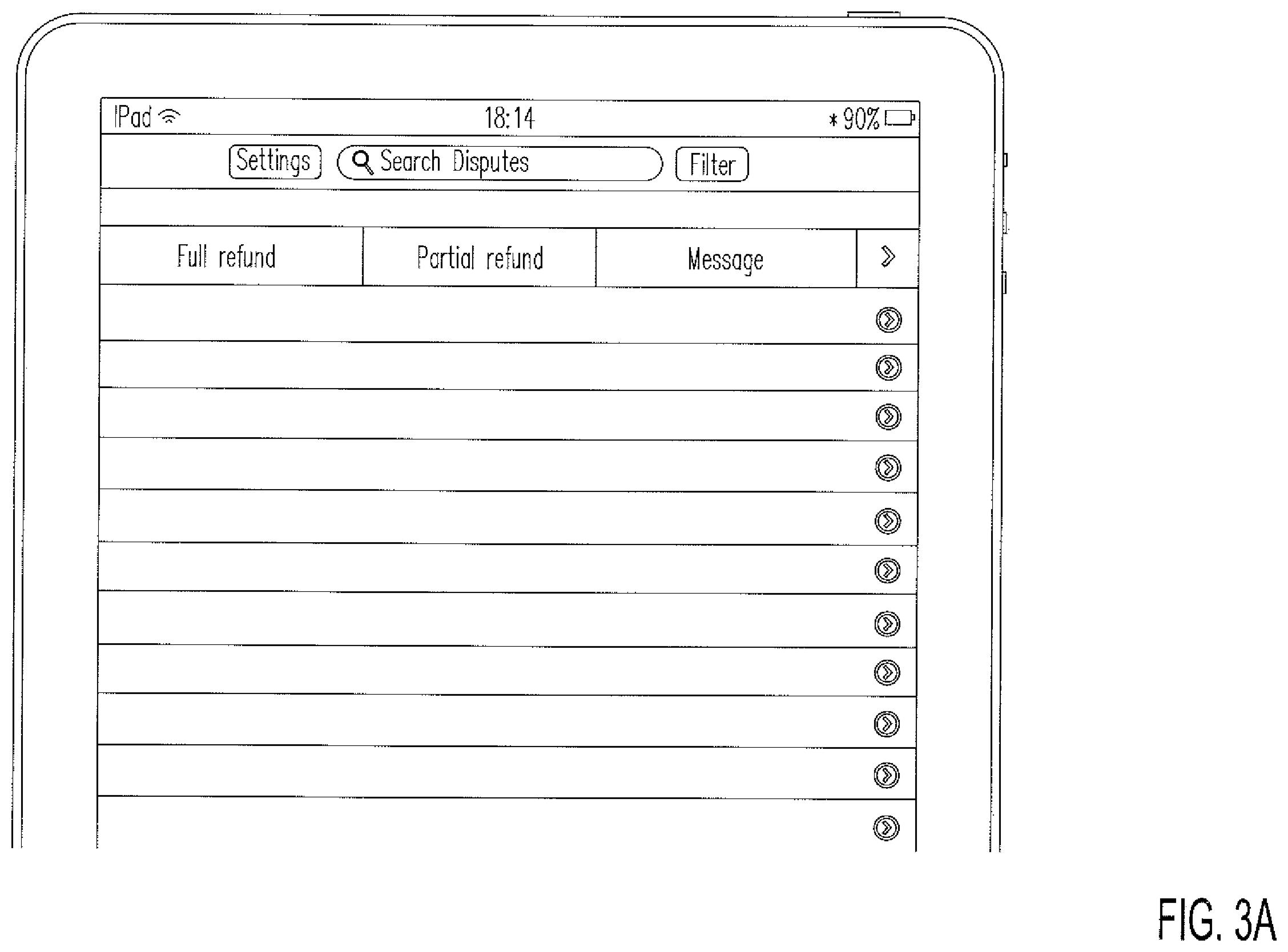
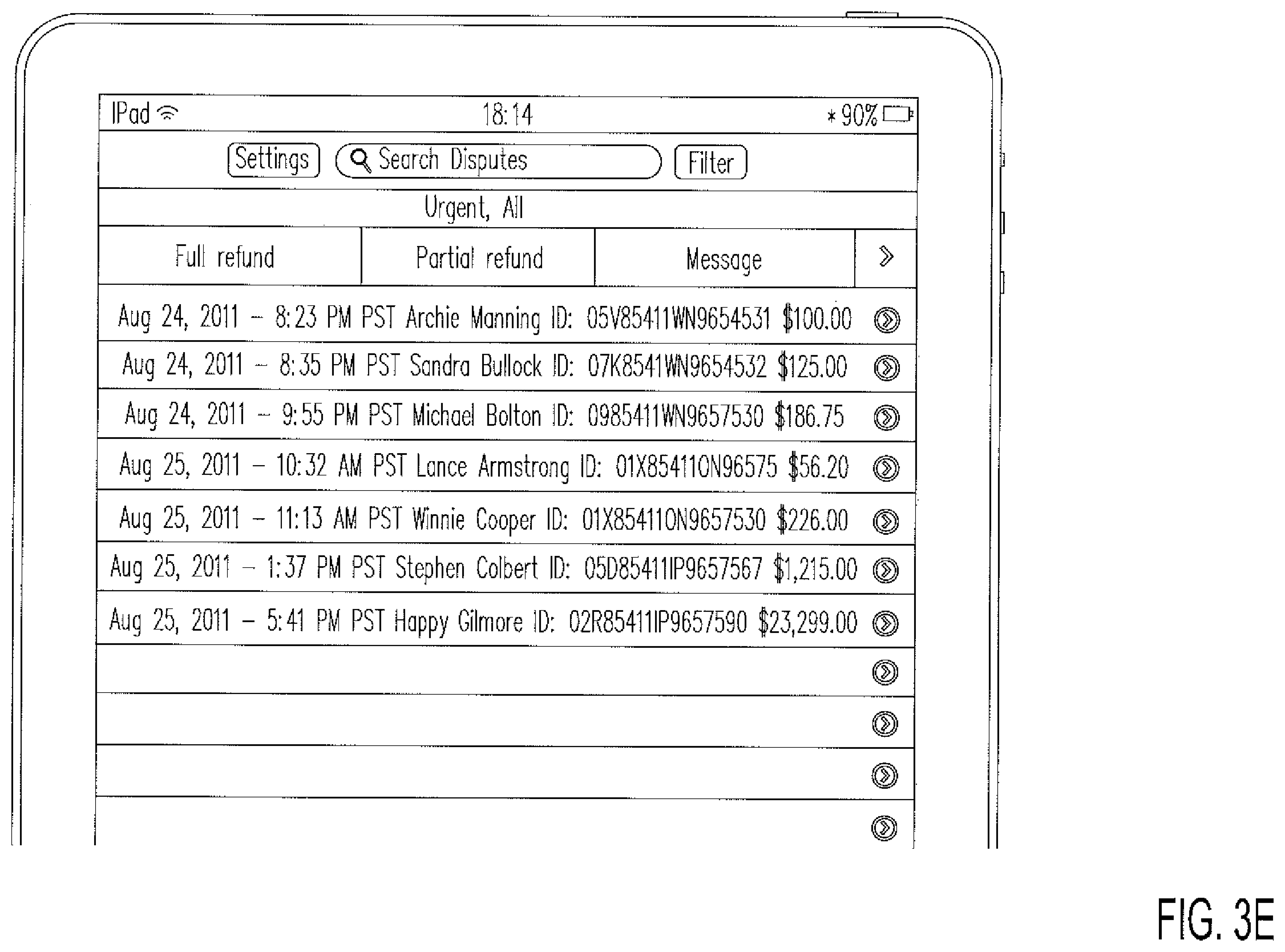
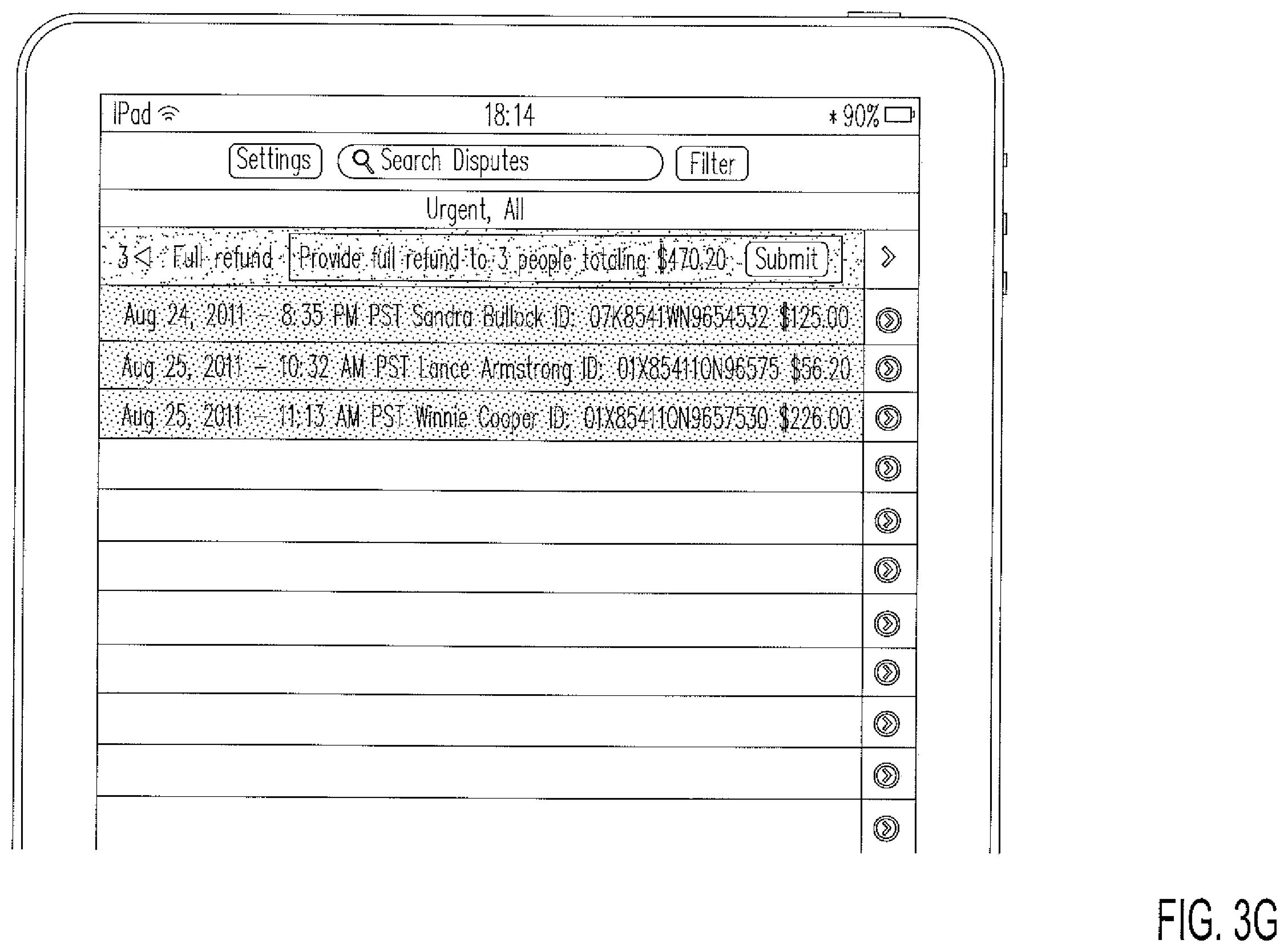
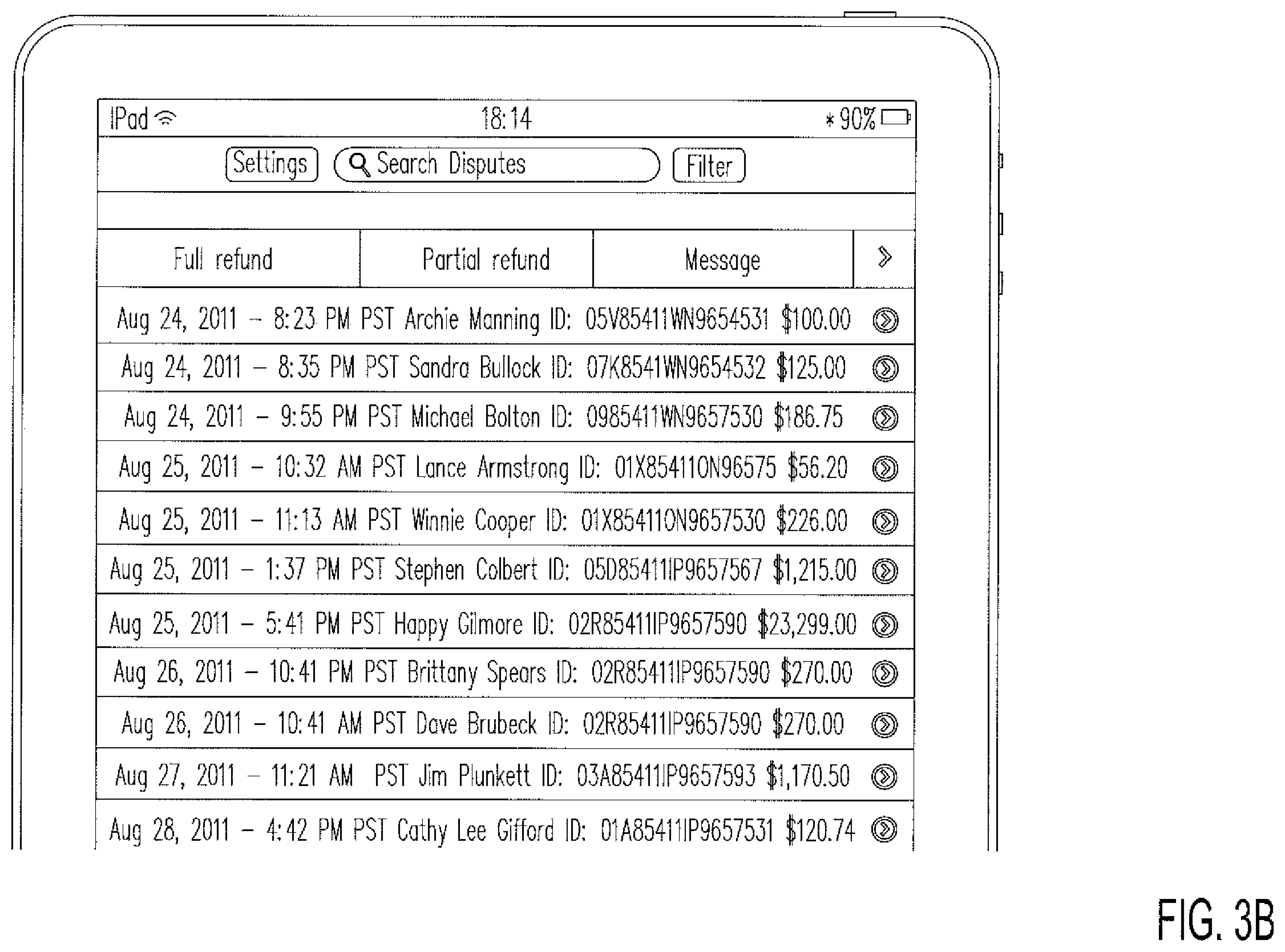
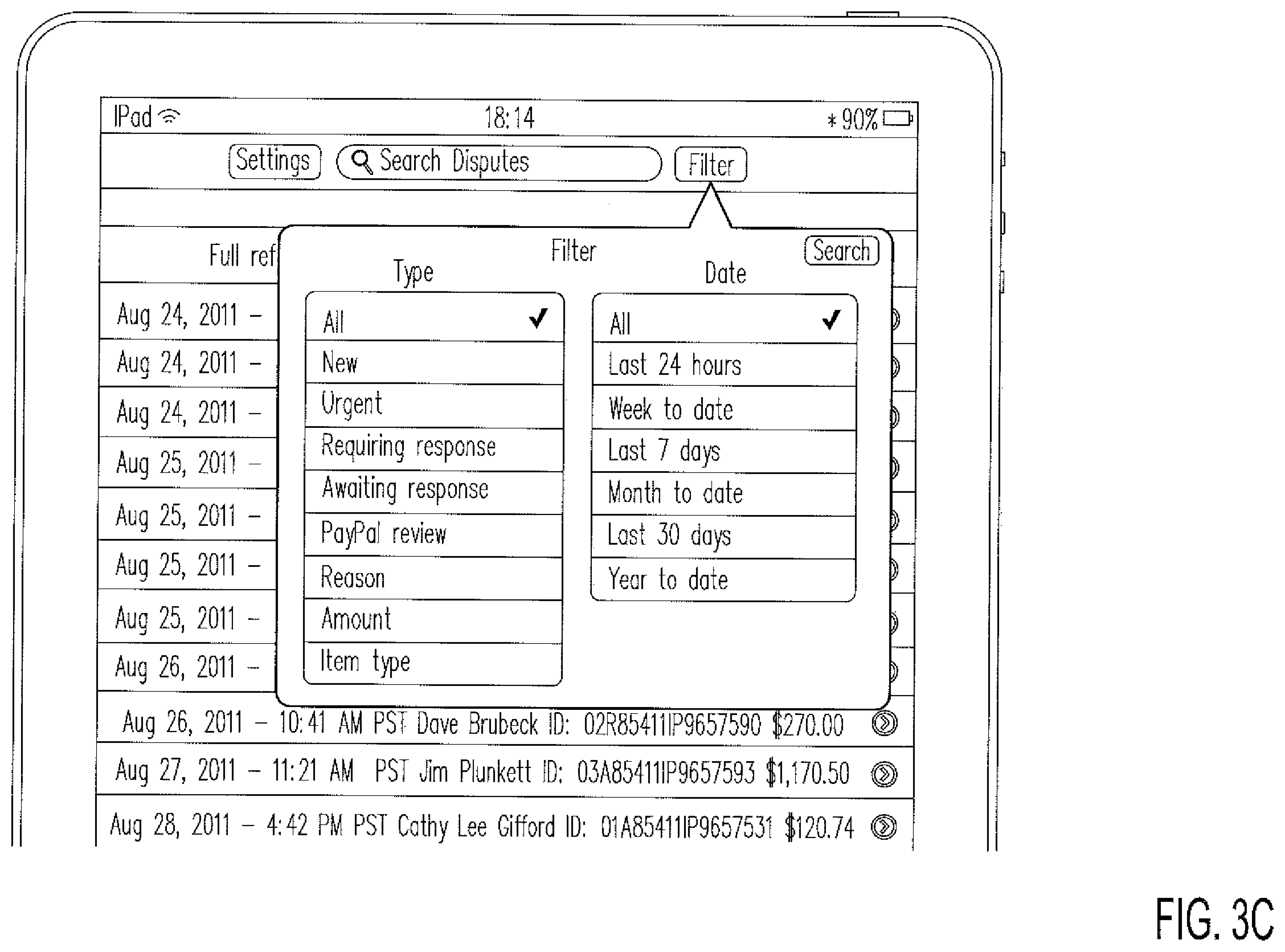
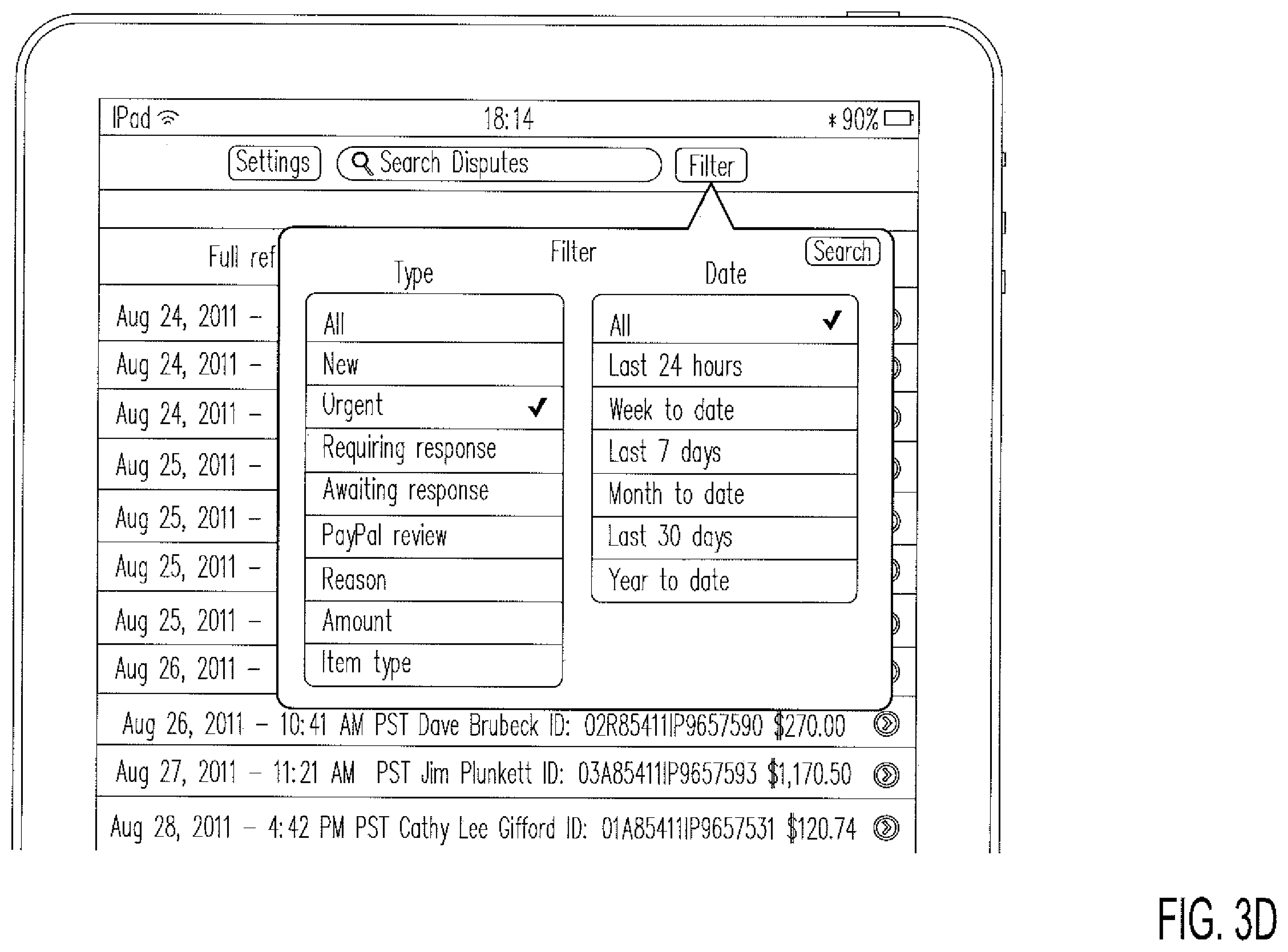
Tap, tap, tap, tap….

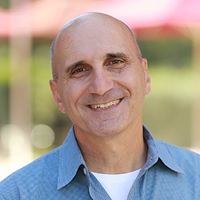
Russell and I overlapped at PayPal around 2010-2013. During that period, I led a team of UED professionals through a reorganization design effort .
Those sort of efforts can be challenging with concerns about compromising existing performance, relationships, and processes that aren’t necessarily “broken.” In this case we were redesigning to create a more scalable, agile and operationally excellent organization which meant that processes that worked still had to be reconsidered with scale in mind.
Russell was part of our task force and focused more on “what we had to gain vs what there was to lose.” Trying to inject Operational Excellence into creative processes can be a recipe for disaster, but Russell helped us navigate the balance.
Working with Russell and the UED team was one of my favorite projects at PayPal!
Lou Ponticas
Partner, Cambrian Growth Partners
Ah, thanks Lou.
Lou is far more generous about my skills and contributions than I deserve - and while I made mistakes involved in organizational change - I both learned and provided some value. If I was to make an analogy to college, operational excellence was like taking an elective in an area of study I had little experience in. Lou is one of those guys that radiates calm and wisdom. Even during the turbulence of change at PayPal, he helped steer things towards progress.
I owe a debt of gratitude to a number of folks who helped me learn about domains that were new to me, which included aspects of design, operations, program management, technology, research, and much more.
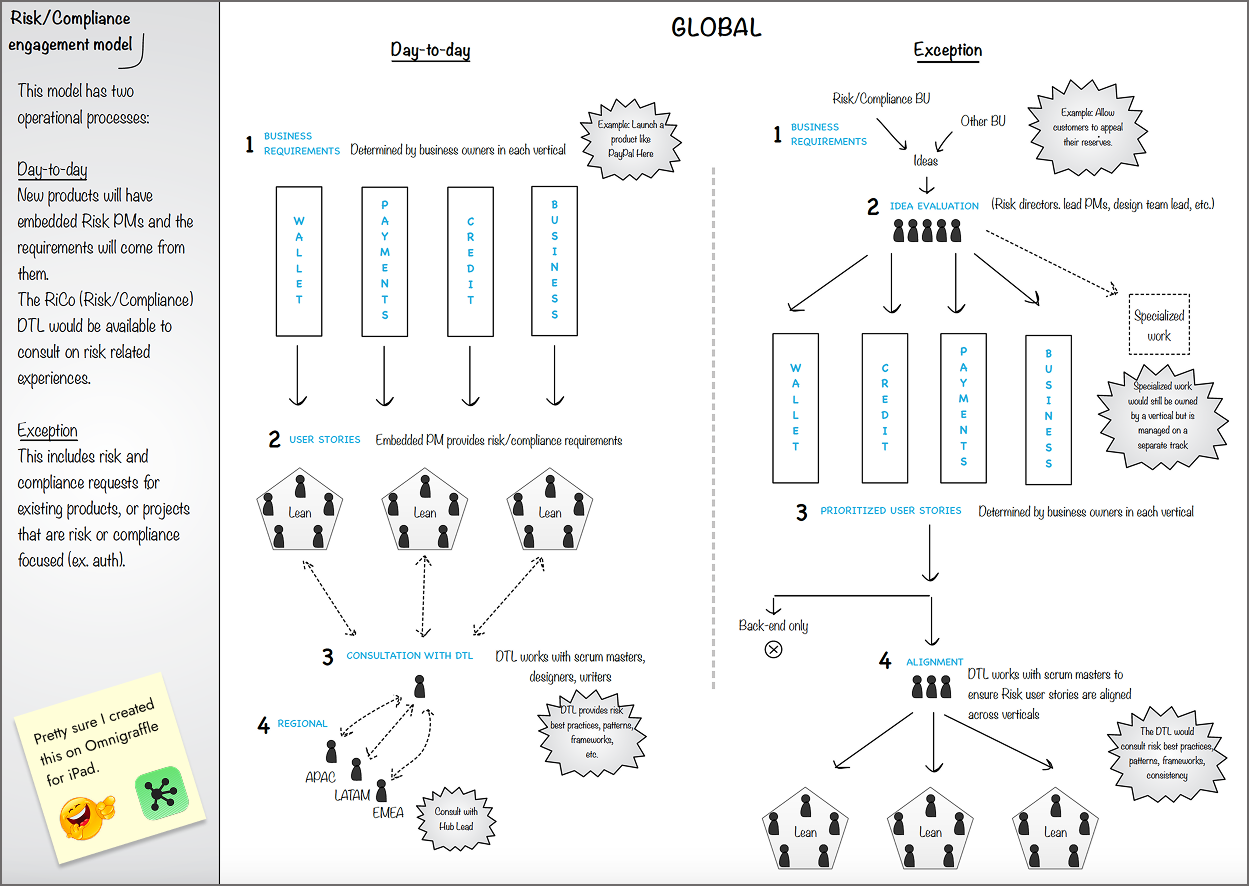
First, I want to thank William Clarke for giving me the shot to lead a design team at PayPal. I took it seriously, and studied up on how best to organize a team (see “Risk/Compliance engagement model”).
Much gratitude to the program managers and natural organizers - like Bernice Lee, Yoon Chung, Jason Tan - for helping me learn about the structure of projects and teams.
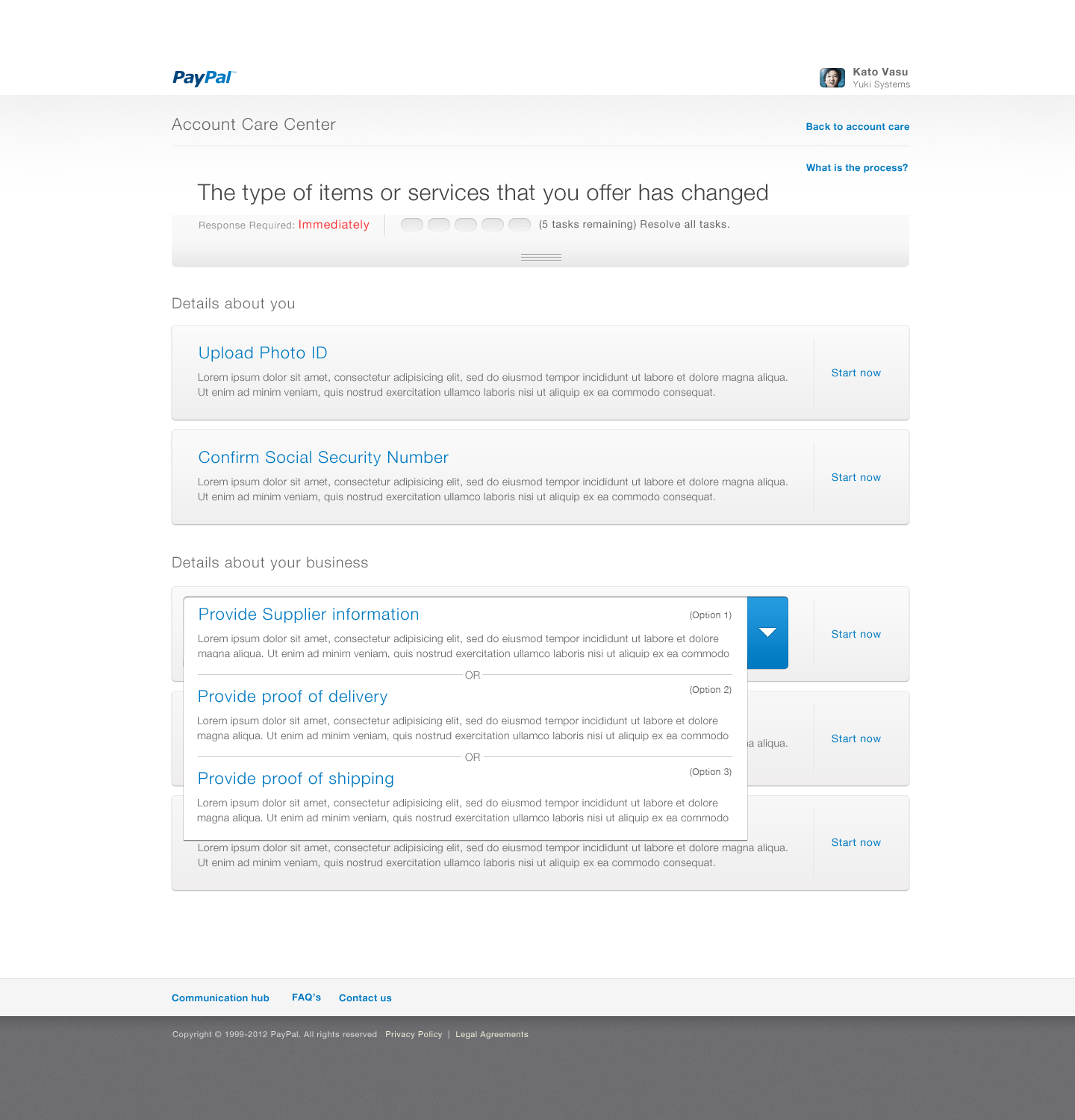
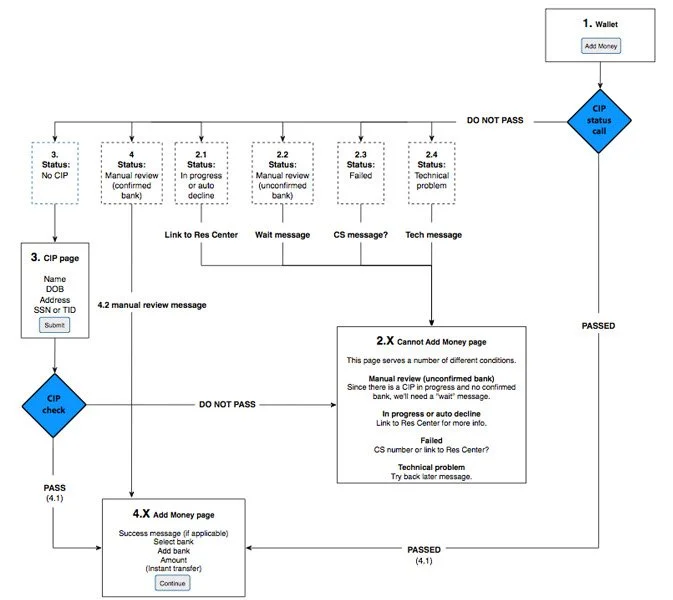
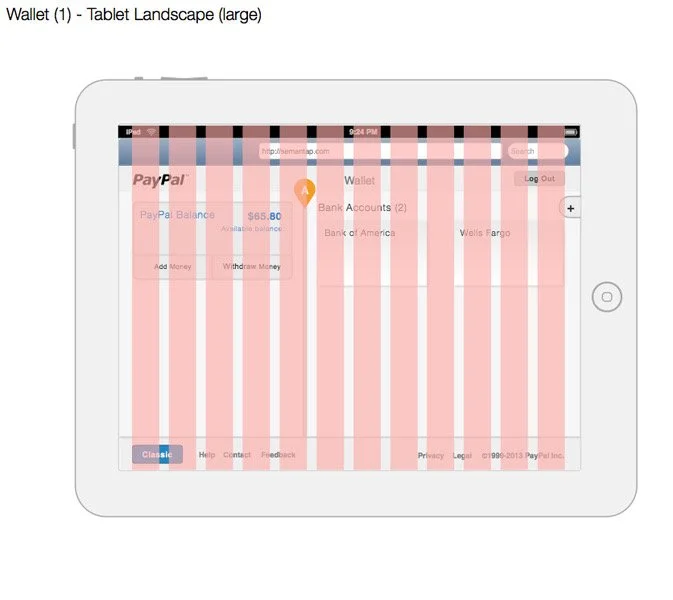
From prototyping (Account Care Center) to flow diagrams (“CIP check”) to grid design (“Wallet Tablet Landscape”), I learned a lot about design from a lot of people (Brian Folsom, Christie Lau, Jacqueline "Jac" Cisneros). The work examples here aren’t career highlight material, but represent the learning curve I was on at PayPal.
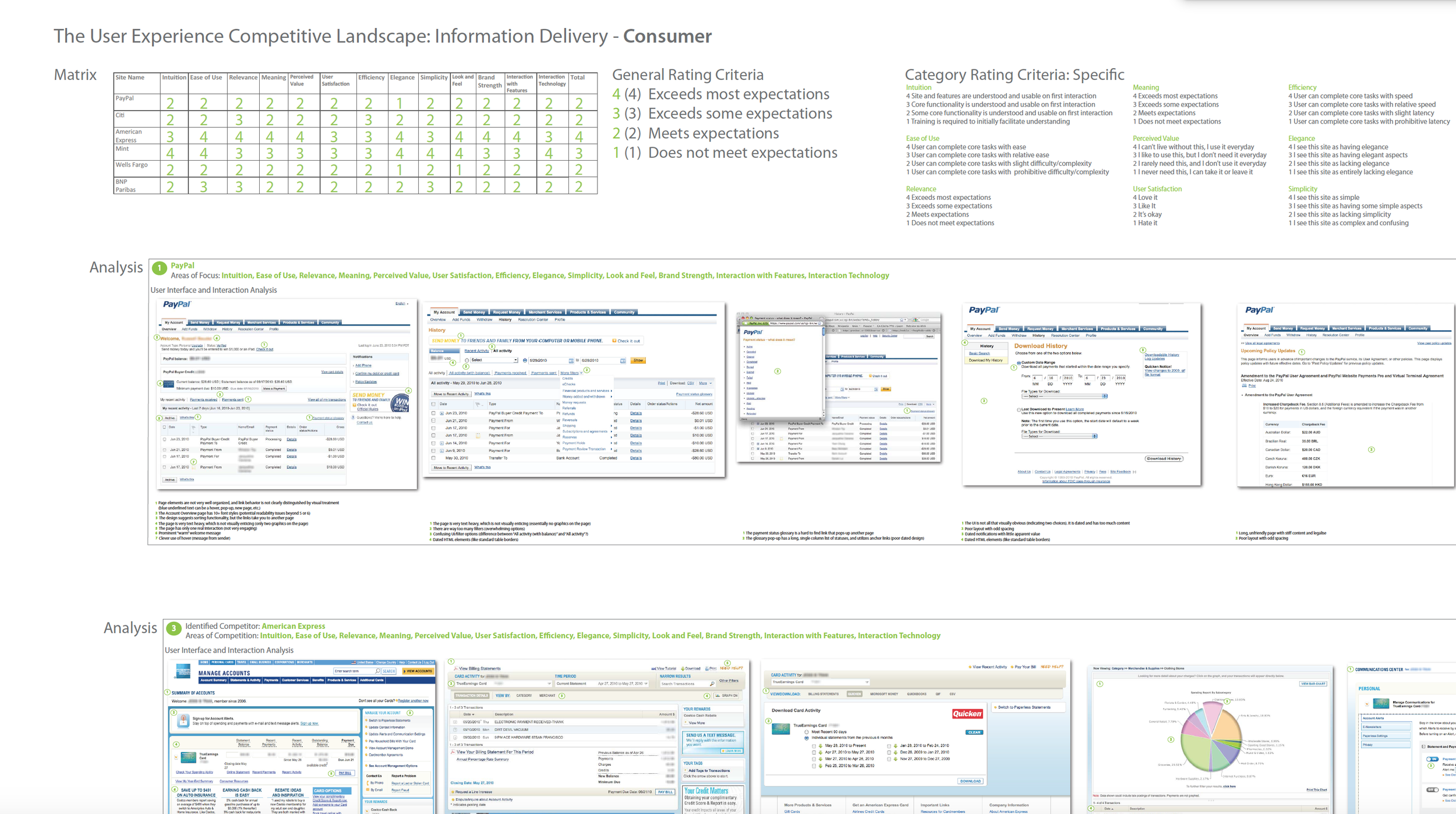
The depth and breadth of research methods and processes at PayPal was a great opportunity to learn. From competitive analysis to generative research, Rachana Rele was a source for a lot of knowledge, with Jim Hudson and Kuldeep Kelkar helping me understand some of the organizational complexities.
For content design, I learned from many, like Mark Jansen, Mike Stevens, Robert Morrish, Jonah Otis, and Sarah Evans.
fútbol is life.
Our jobs at PayPal really mattered to us, and fútbol helped us balance out the stress of working in tech (at minimum we told ourselves that to justify our hours spent playing 🤣). eBay understood this - or more to the point the VP of HR Sal Giambanco did - as he was the one who greenlit the construction of the pitch near the parking lot on PayPal’s North First Campus.
We spent most of our lunchtime out there playing, laughing at Mayel’s jokes, and burning off steam. My memory is foggy, but I recall the groundskeeper was Scottish and was adamant the field would be top notch. I like to imagine him saying something like this before construction - “We’ll give yee a billiard smooth pitch, nae bobbles, nae mud baths, an' nae patchy shite like the public parks.”
Cheers to him, whoever he is, whatever the nationality!

There were 3 simple rules to surviving a soccer game at PayPal:
1. Give me the ball and get out of the way.
2. Do not listen to anyone giving you nonsense advice during the game like: “easy passes” …”back and forth” … or “we need runners!” … if they insist kick them in the soccer ball!
3. Be nice to people! …. before and after the game … never during!
Mayel Espino
Embedded Software Engineer, Google
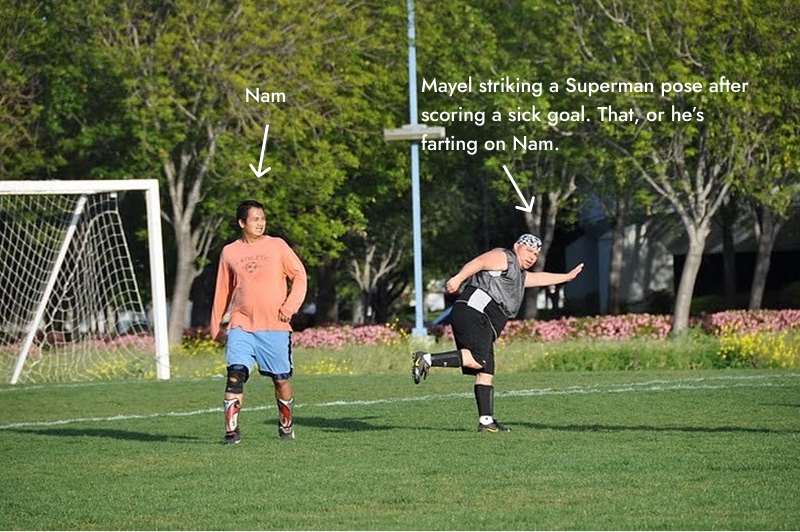
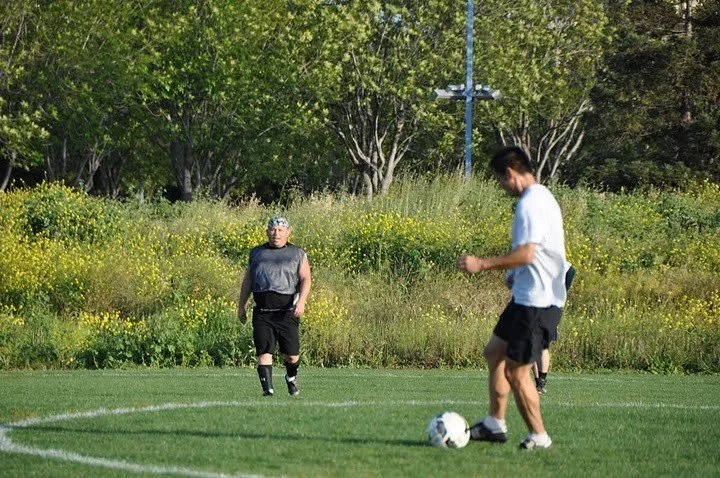
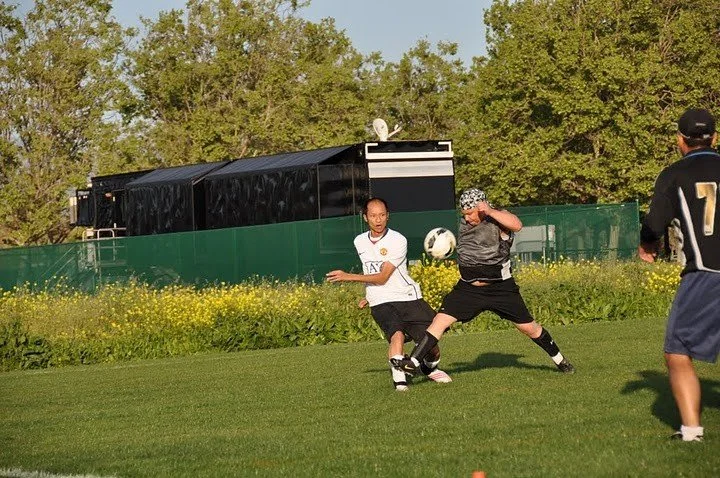
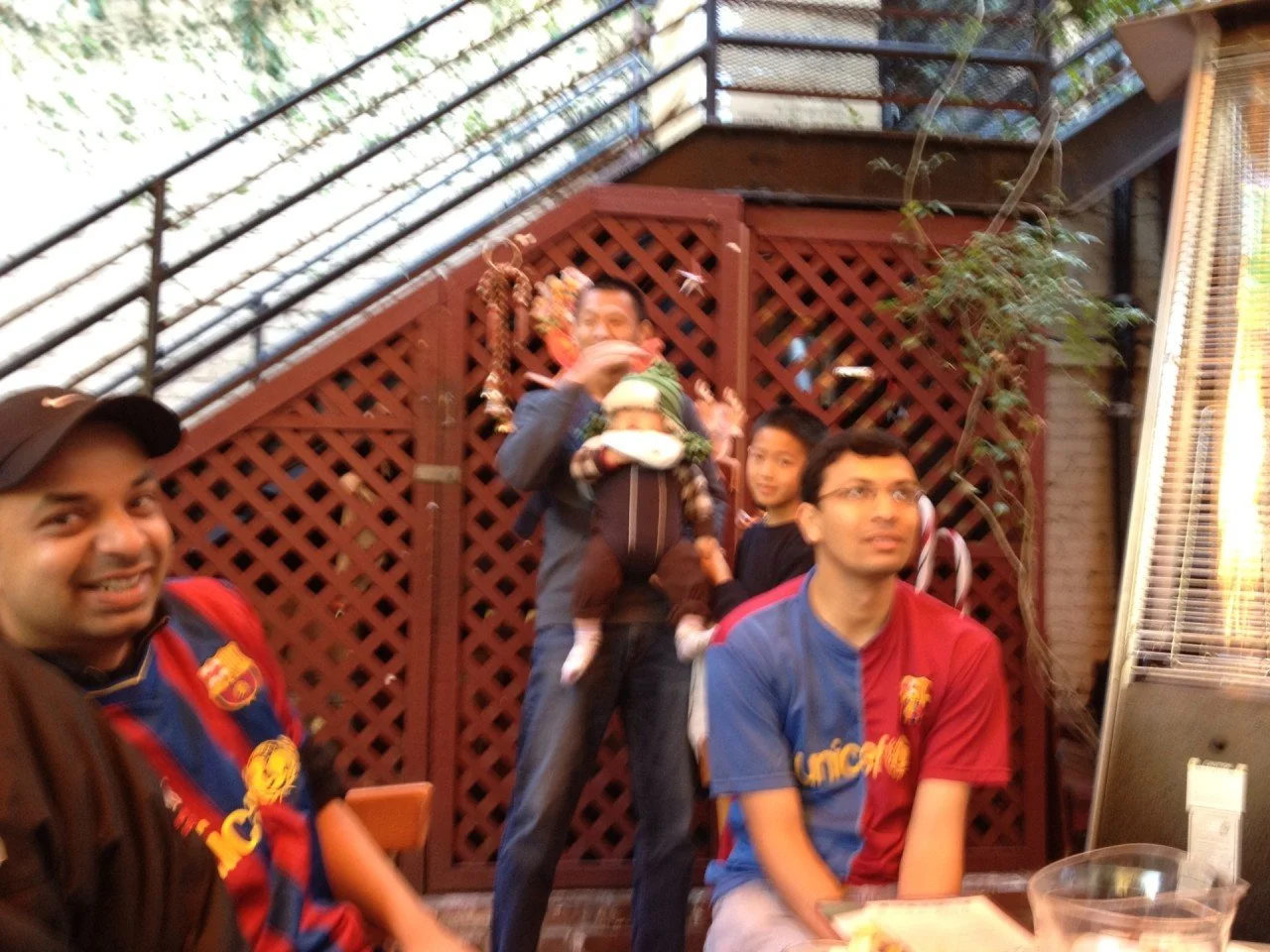
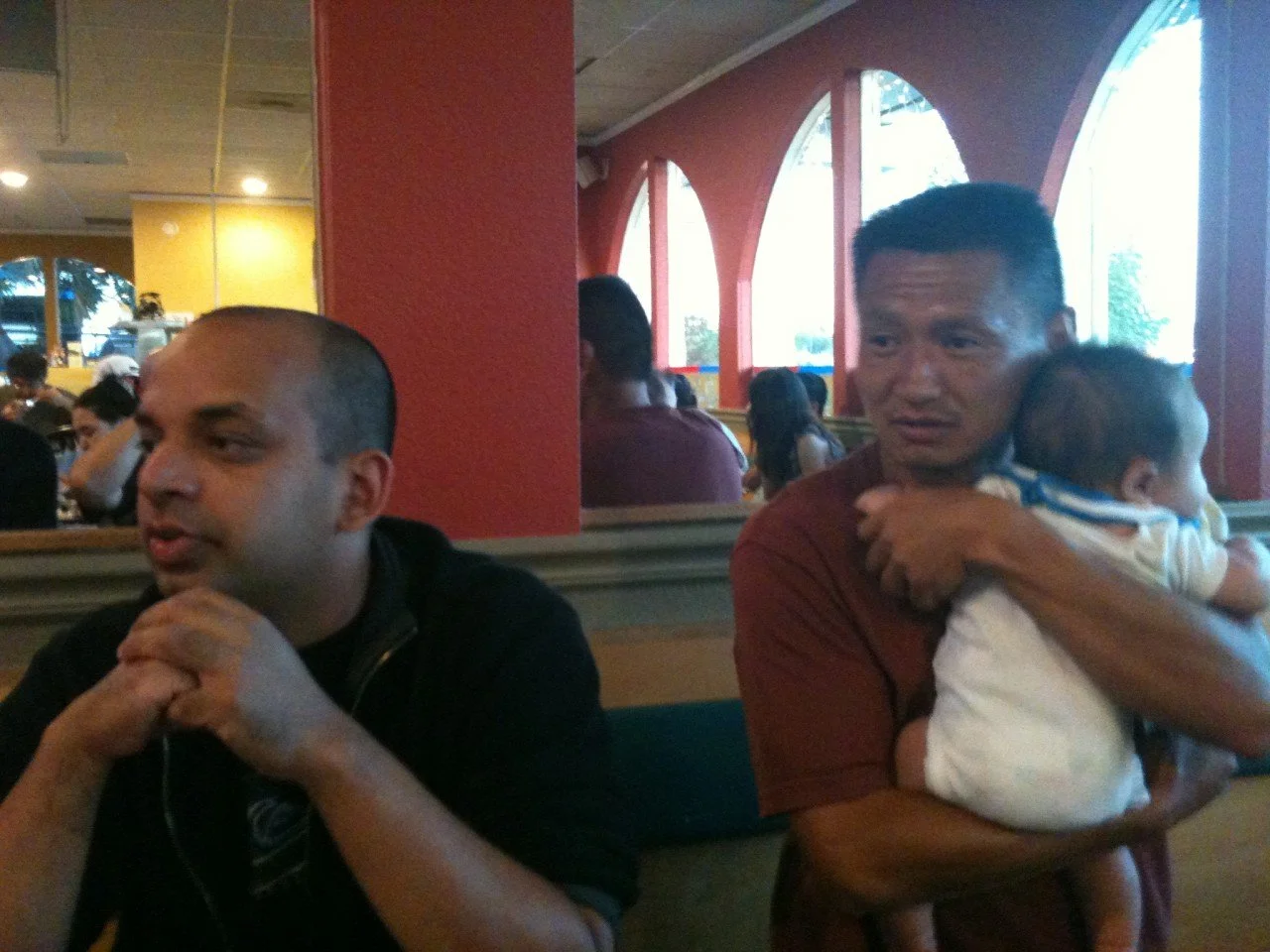
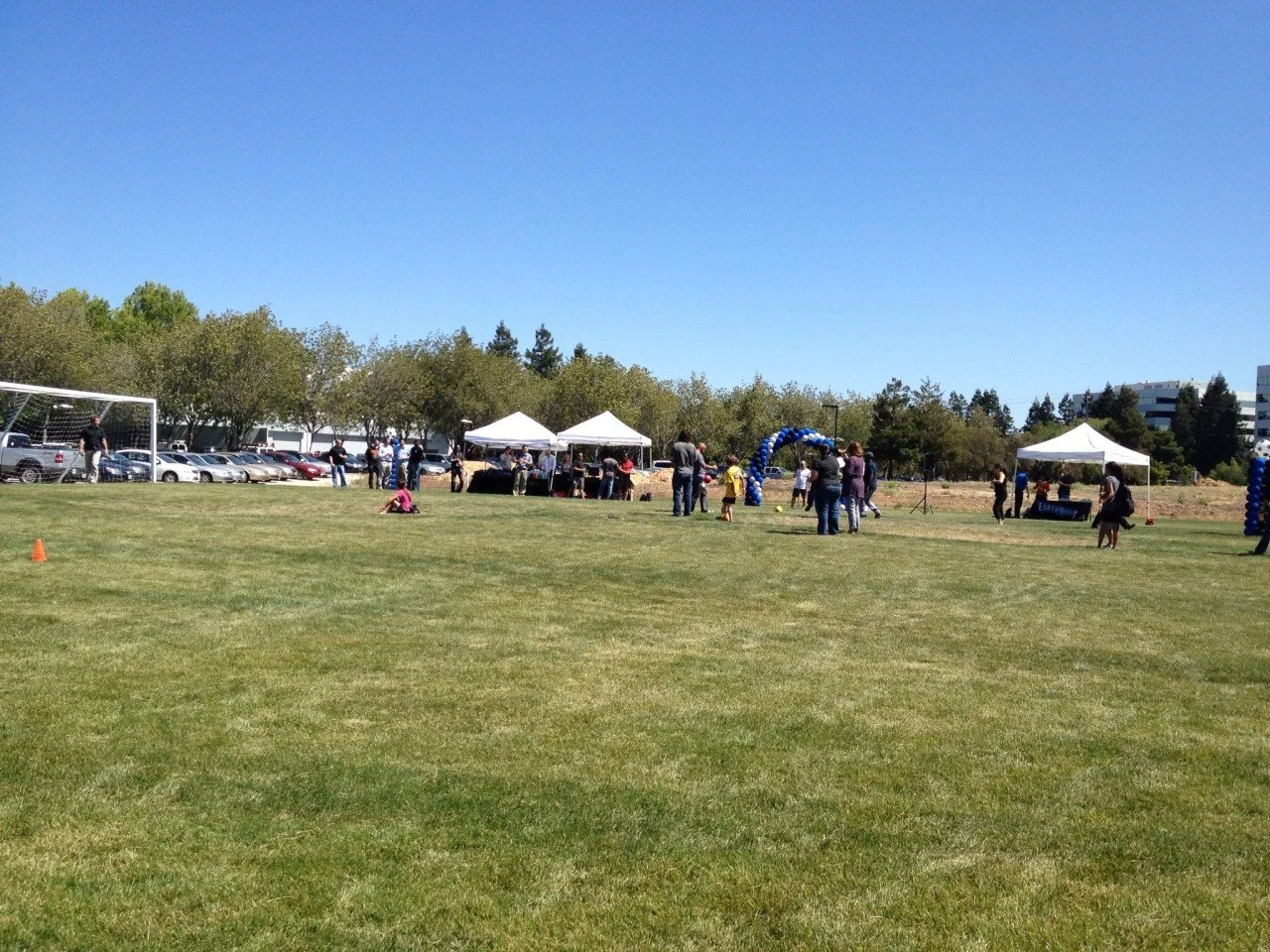
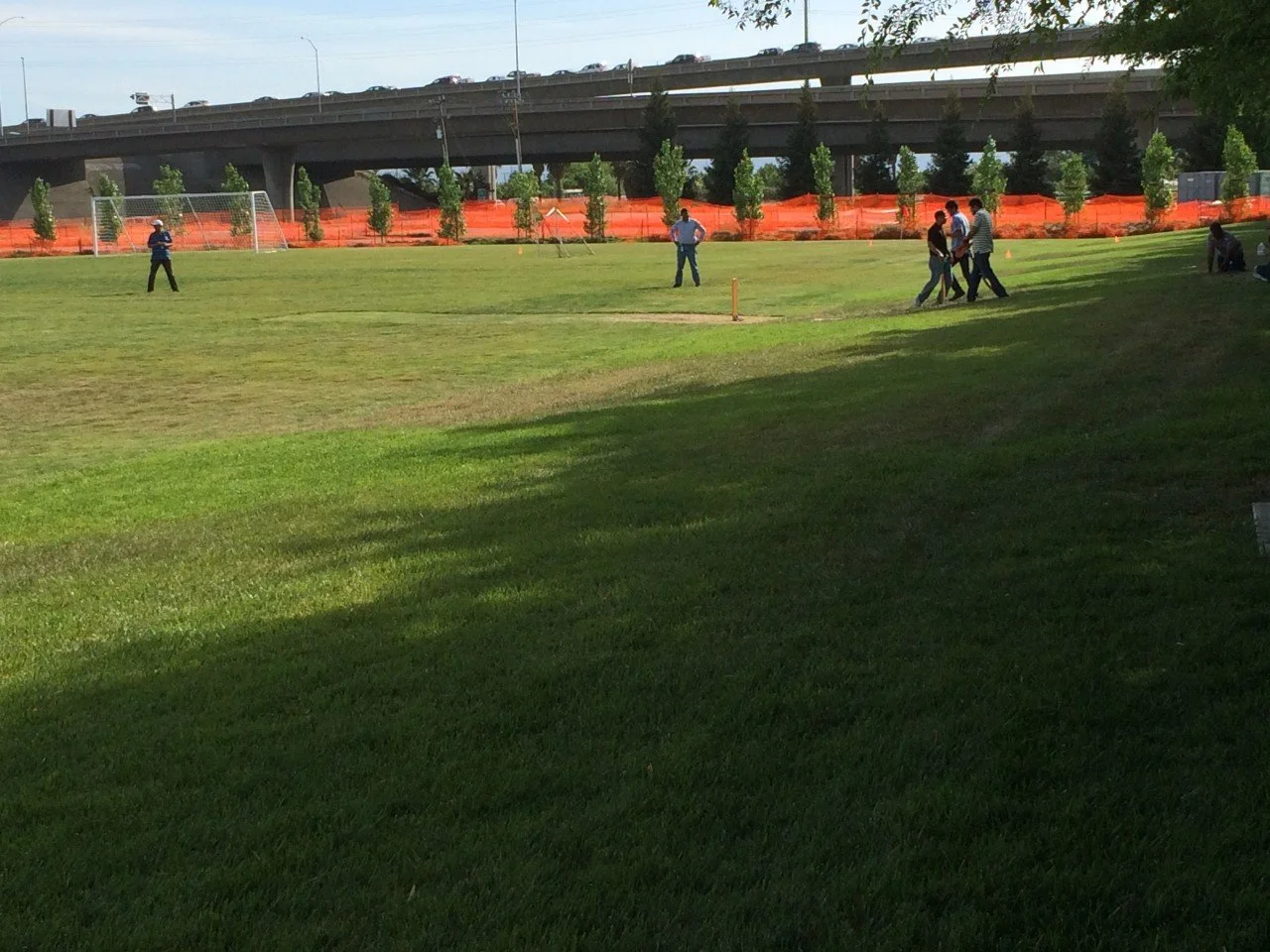
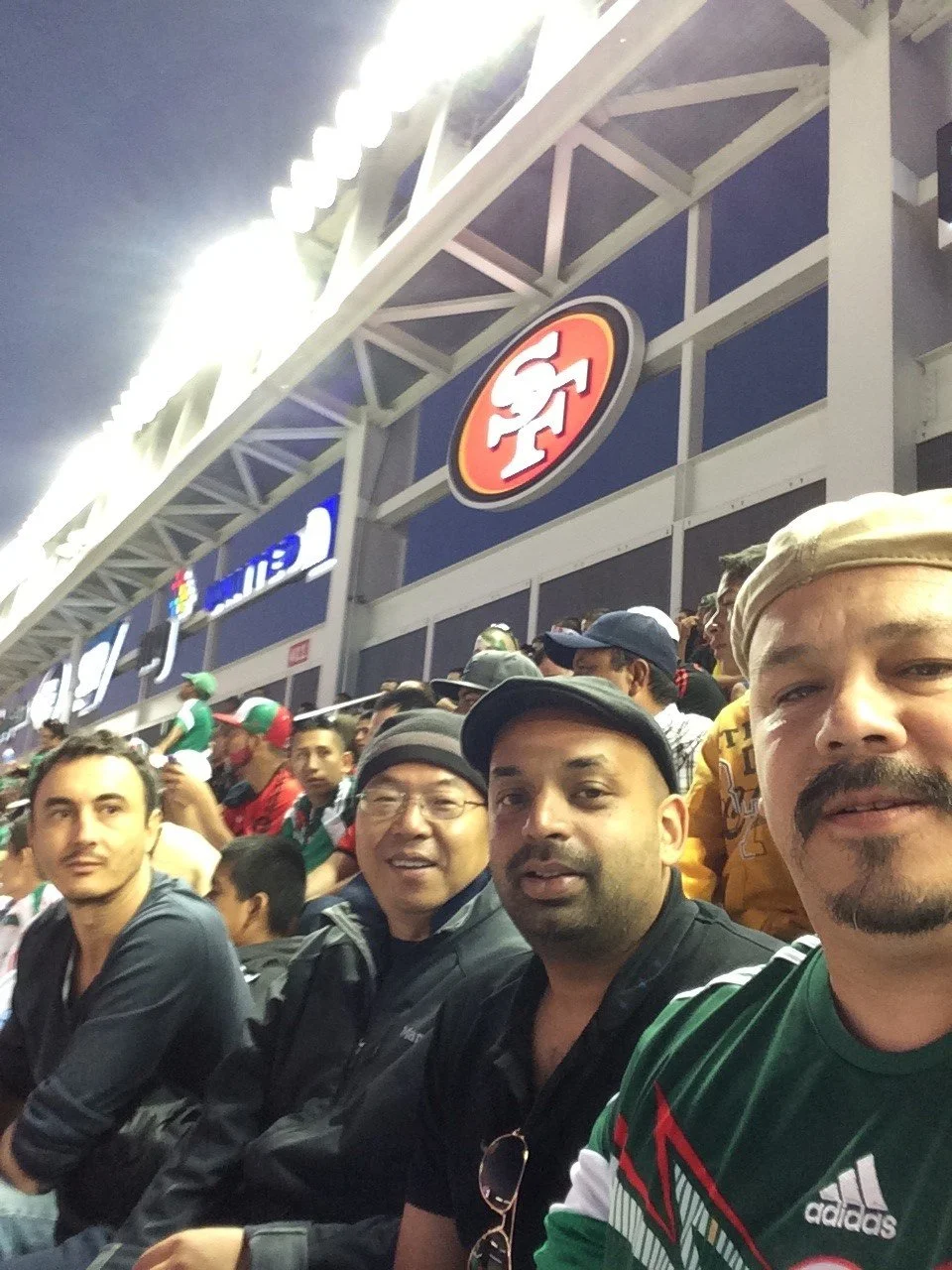
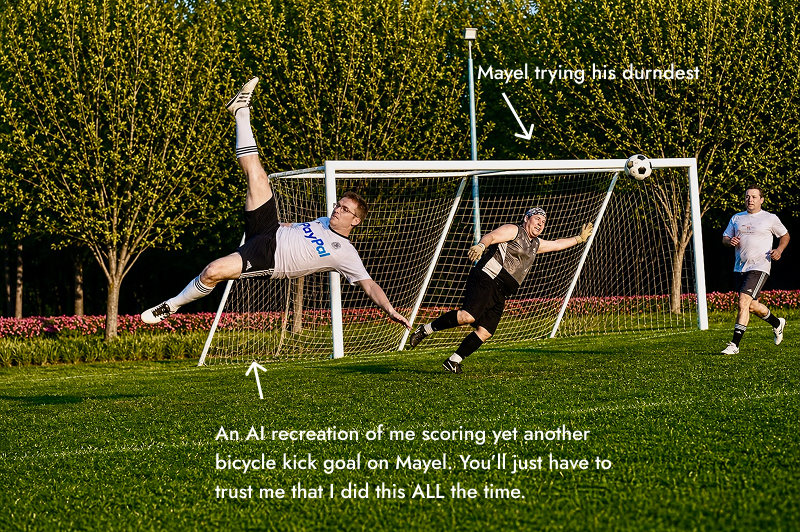
So many great folks I met on the pitch. If I missed anyone, please let me know… I’m not connected to everyone on LinkedIn and I have a 56-year-old memory!
Bram Flowers, Mateo Graziosi, Germán Scipioni, Ruslan Timostsuk, PJ Balin-Watkins,Yani Brankov, Schubert Lobo, Nam Huynh
THE MIGHTY MIGHTY CLUNKERS
Maybe you see this as a weird stretch for a portfolio site, but I’m doing something different here. This is a story of my adventures at PayPal, which is more than just slick visual screens and flow diagrams.
The people I worked with, played with, made long-lasting connections with… are the soul of my experience at PayPal. I give you:
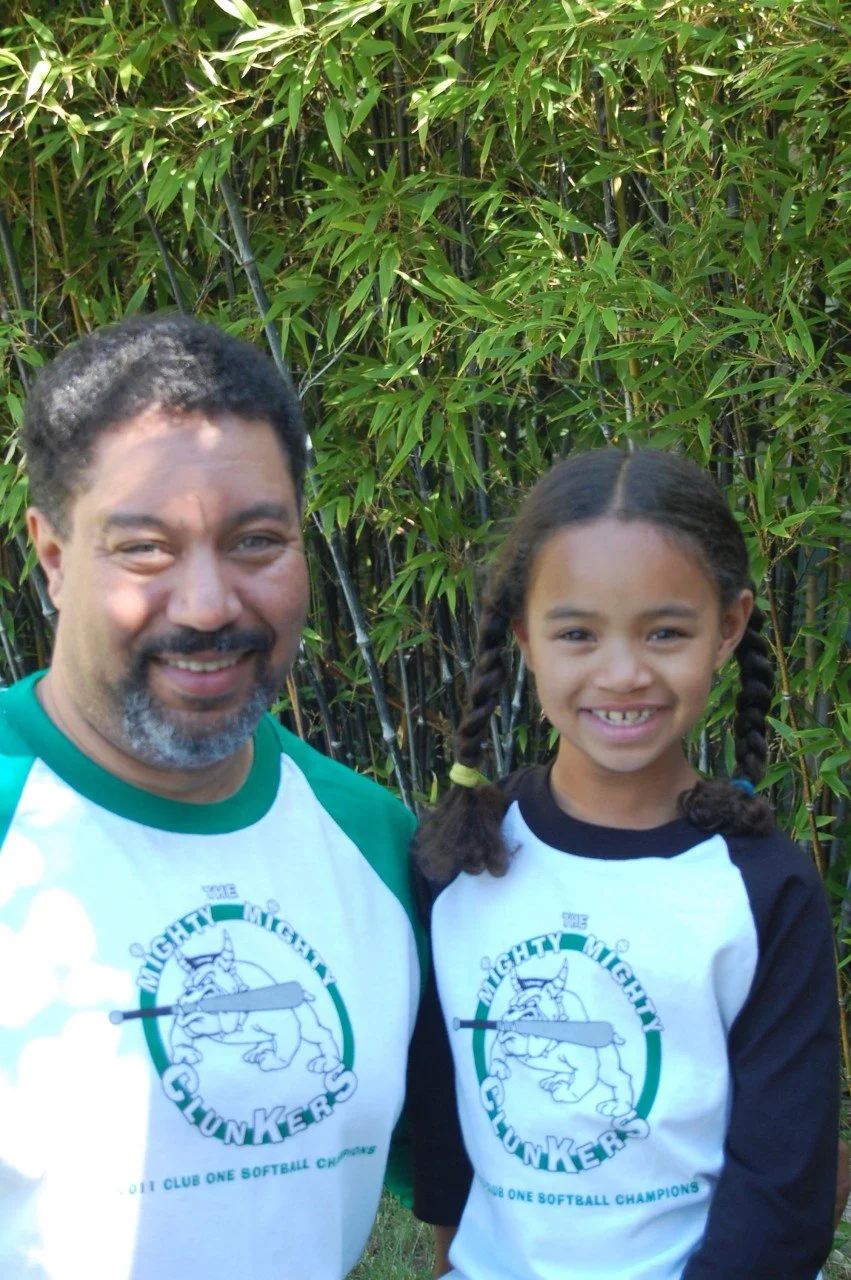
The Mighty Mighty Clunkers.
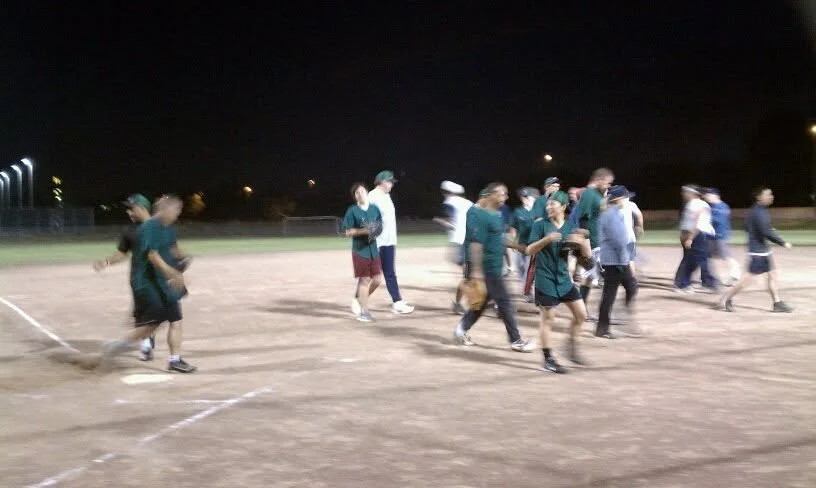
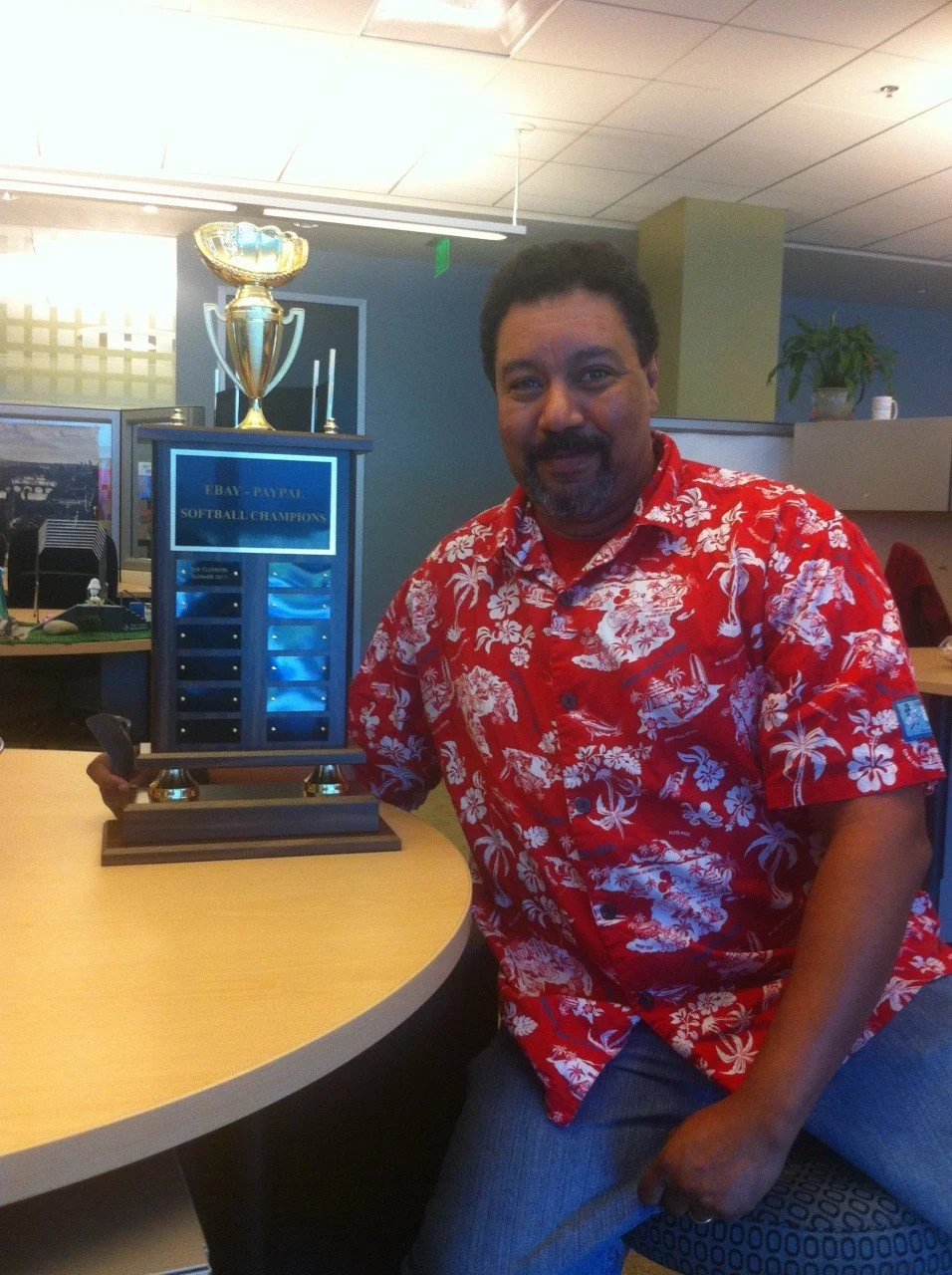
Here we are celebrating our 2011 Club One Championship. Or, this could be us after a regular season game. Probably not a practice. It was 15 years ago so cut me some slack twin!
Call it team building, call it nothing more than good fun - but playing with your co-workers can be a really healthy and awesome way to get to know each other.
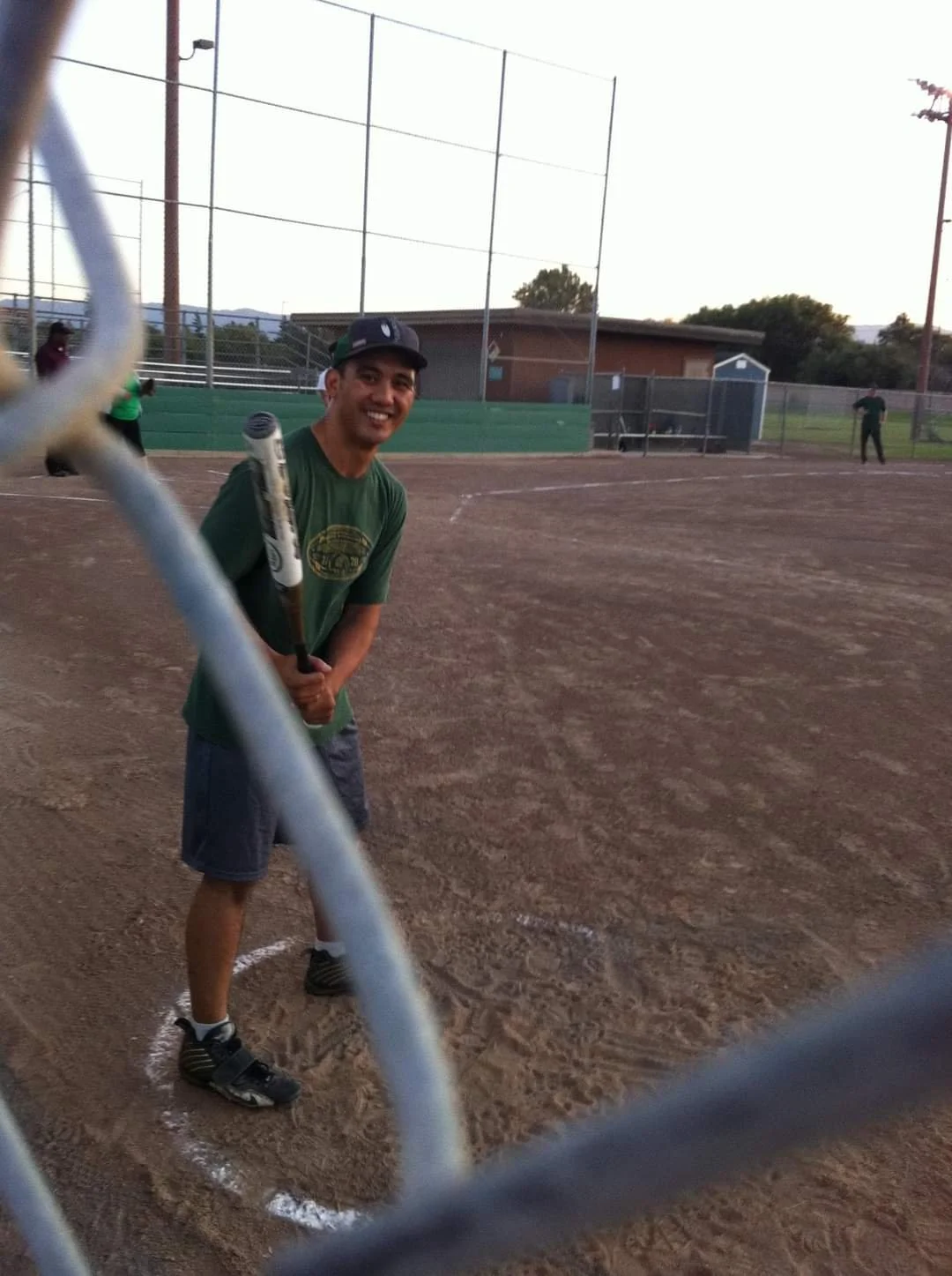
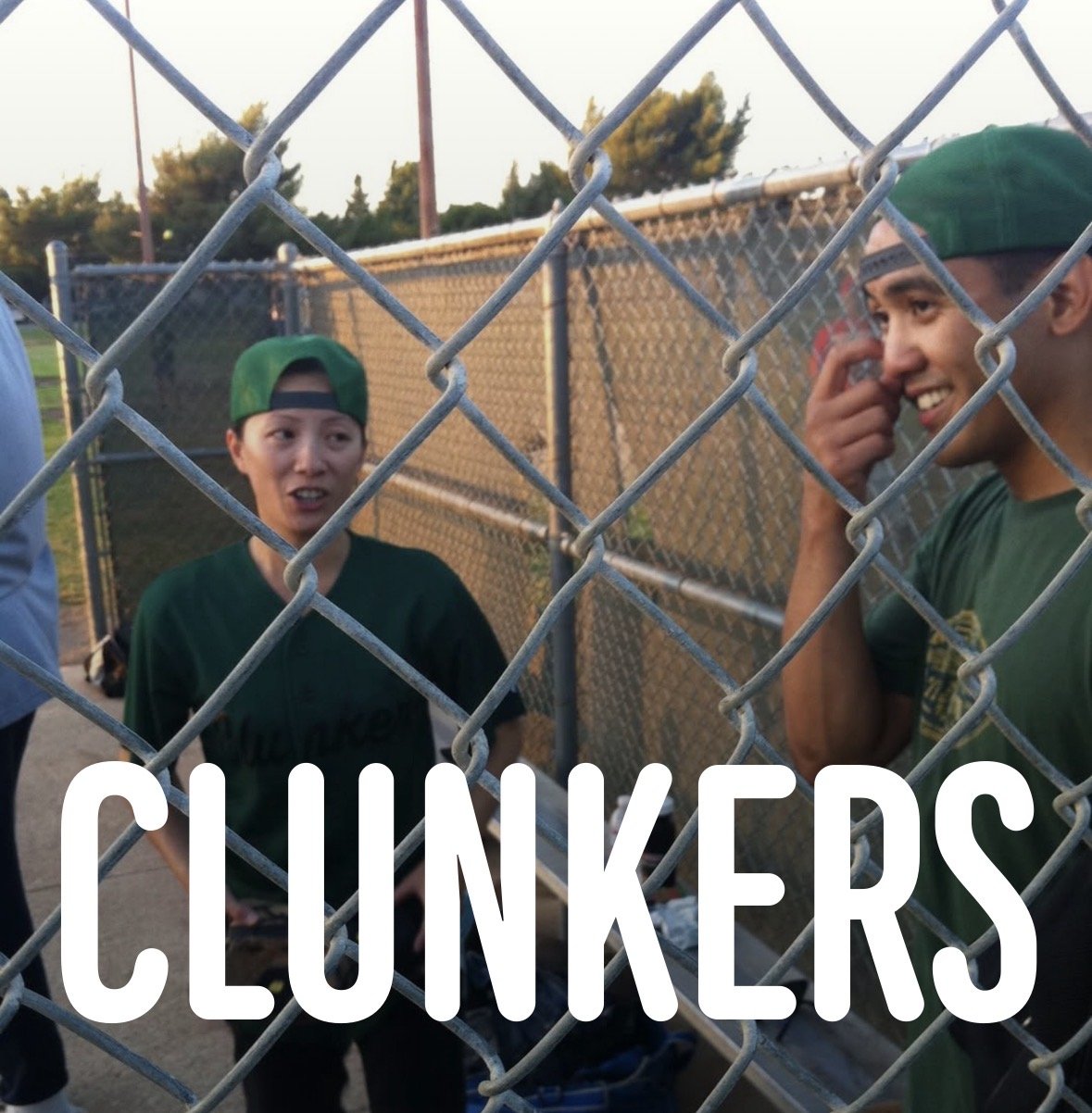
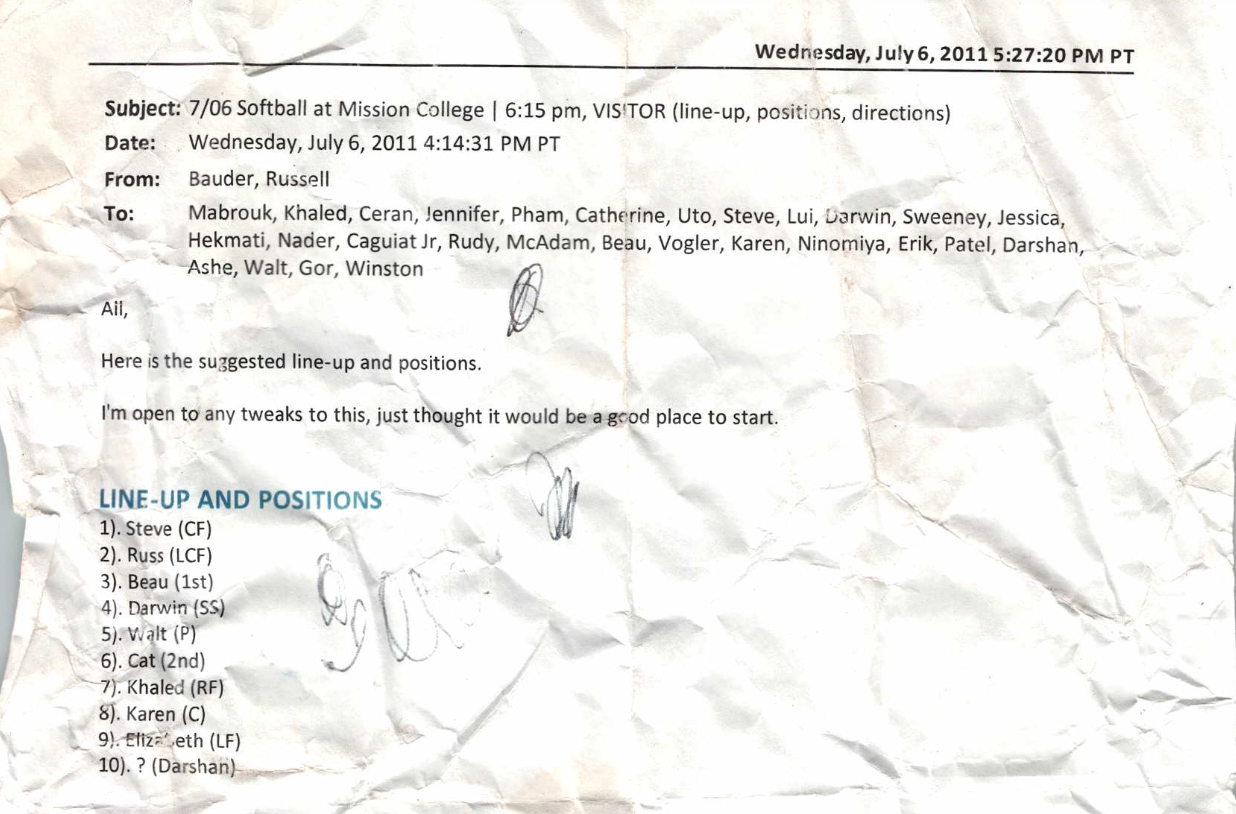
For 4 or so years - back around 2010/2011 - I organized a softball team that played in your standard corporate fun league. Our team was decent; we had a few big bangers, and women who played high school softball. We also encouraged first time players to join us and give it a go.
We won a couple championships with a great set of people (who I’ve enjoyed going down memory lane with putting this section together).
Jennifer Ceran, Khaled Mabrouk, Catherine Pham, Steve Uto, Darwin Lui, Jessica Sweeney, Nader Hekmati, Rudy Caguiat, Beau McAdam, Karen Vogler, Erik Ninomiya, Darshan Patel, Walt Ashe, Winston Gor, Jonmichael Moy
(I am not connected to some folks on LinkedIn, and I know I’m missing people who joined for one season or I just plumb forgot. Please ping me about adding missing folks!)
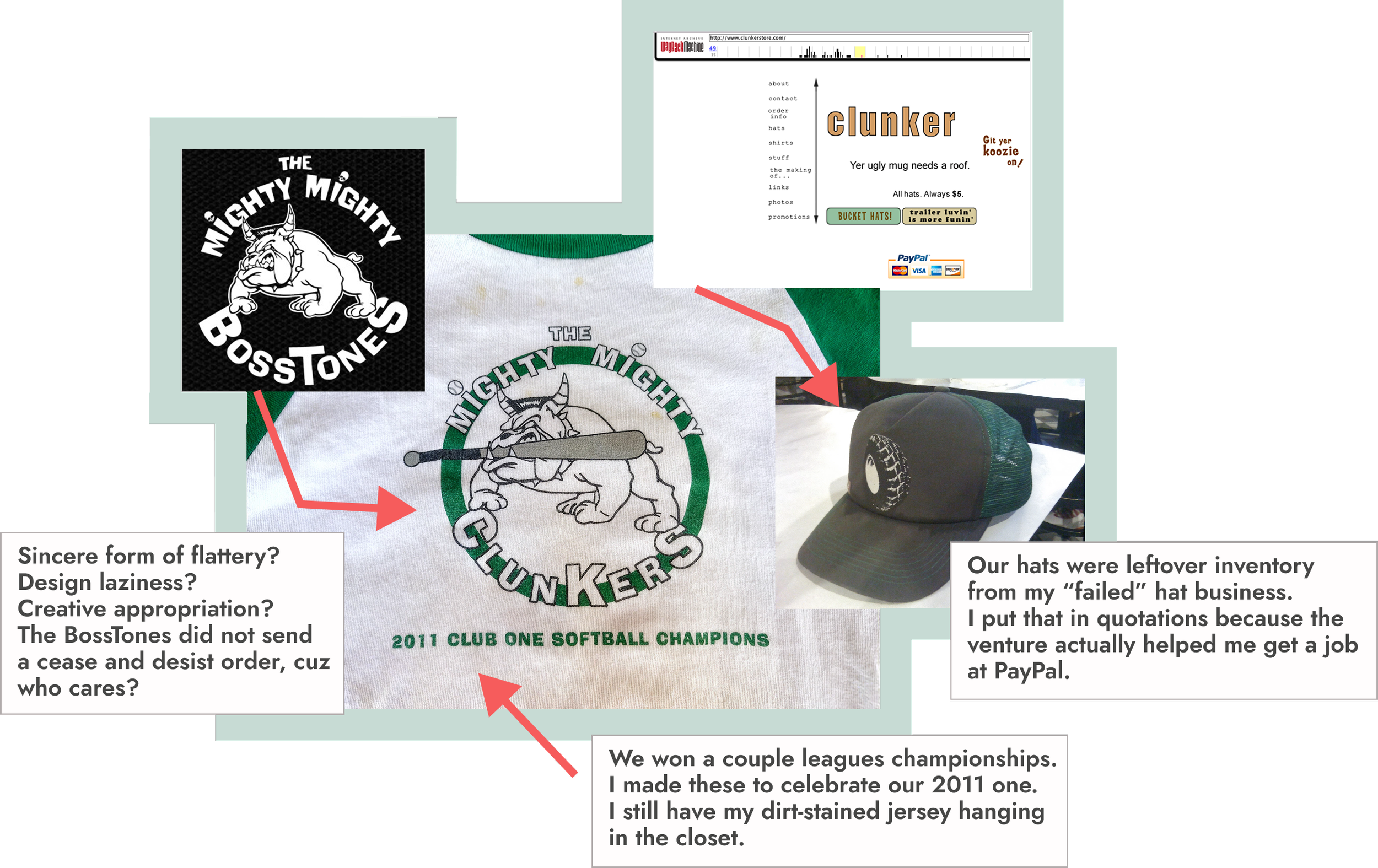
I have never claimed to be a great or even good visual designer. But I was always trying, from my line of trucker hats to softball jerseys.
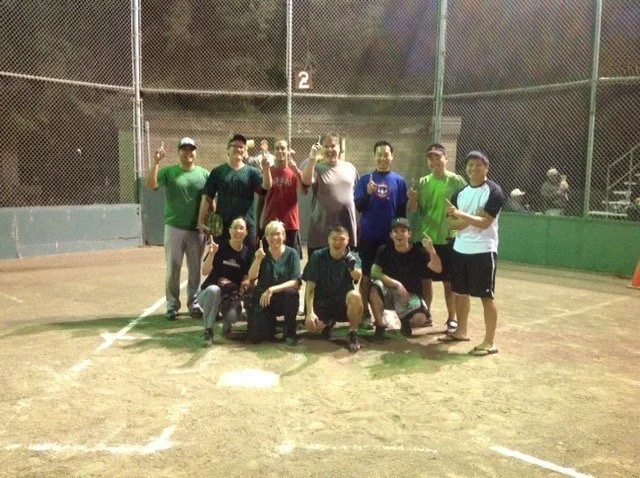
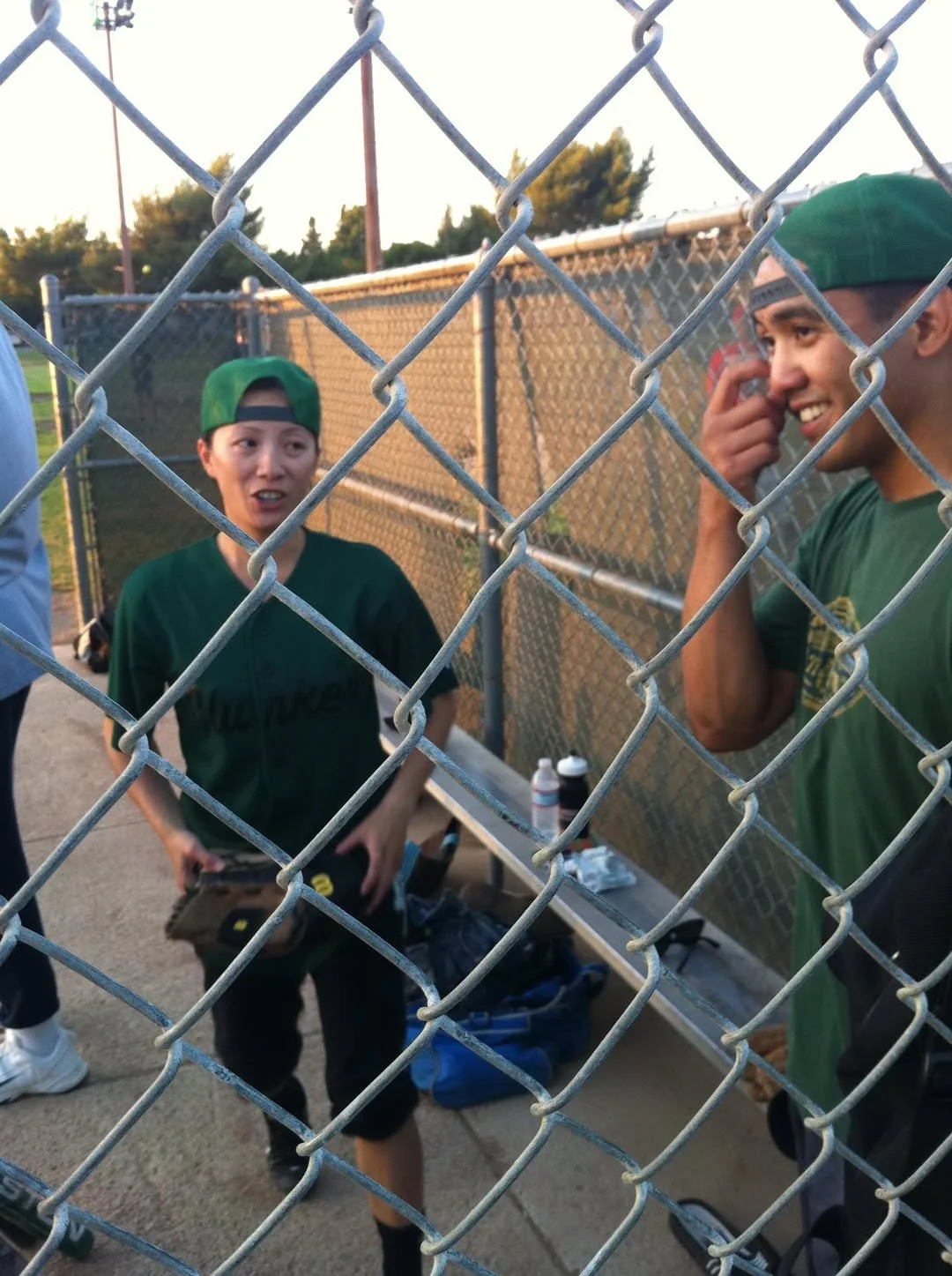
Here are some photos of the team. I love the photo with Walt - one of our big hitters - with his young daughter at the time. She would cheer on our squad, singing “We are the Clunkers, the mighty mighty clunkers.” Completely threw off the other teams.
She just graduated college!
Our collective memories are foggy, but Walt recalled this about our 2011 championship:
”We won because we scored in the top of the 6th and they had a tying run on base. Dar told me to walk the guy. I had 2 strikes on him and I tried to waste a pitch and he reached across the plate and hit it to RF. Someone (Jennifer?) made the catch of the season and we celebrated.”

PayPal taught me that innovation isn't a department — it's a mindset.
You were always either pushing an idea forward or killing one fast enough to try the next. Either way, you were moving.
Working alongside people like Russ reminded me that the best innovation comes from people who are genuinely curious — not just about the product, but about the people using it. That combination of empathy and ambition is what made PayPal a special chapter.

Darrell MacMullin
Executive Director, JPMorganChase
the best swag
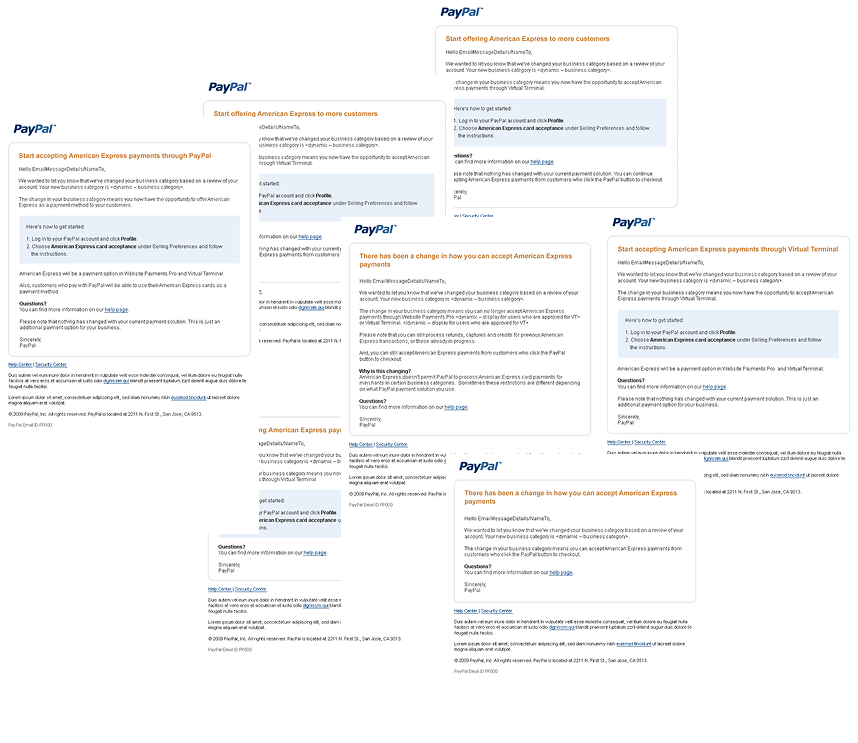
Darrell built out the PayPal product for Canada. This was a vast undertaking - and quite successful - and I supported him on one small project. He and Jonmichael Moy needed content support for the launch of Website Payments Pro, and I was doing content design at the time.
The process of requesting and confirming a resource was more trouble than what they needed - so I just took it on as a side project. I changed check to cheque, zip code to postal code, EIN to Business Number, stuff like that. I could not find a work sample from this, but it’s not worth tracking down… and the main point of this section is to talk swag.
For my efforts they made me a personalized PayPal jersey. I break it out 2 times a year when I go to a Barracudas or Sharks game. My favorite piece of swag to be sure.
Me and my youngest at a ‘Cuda game.
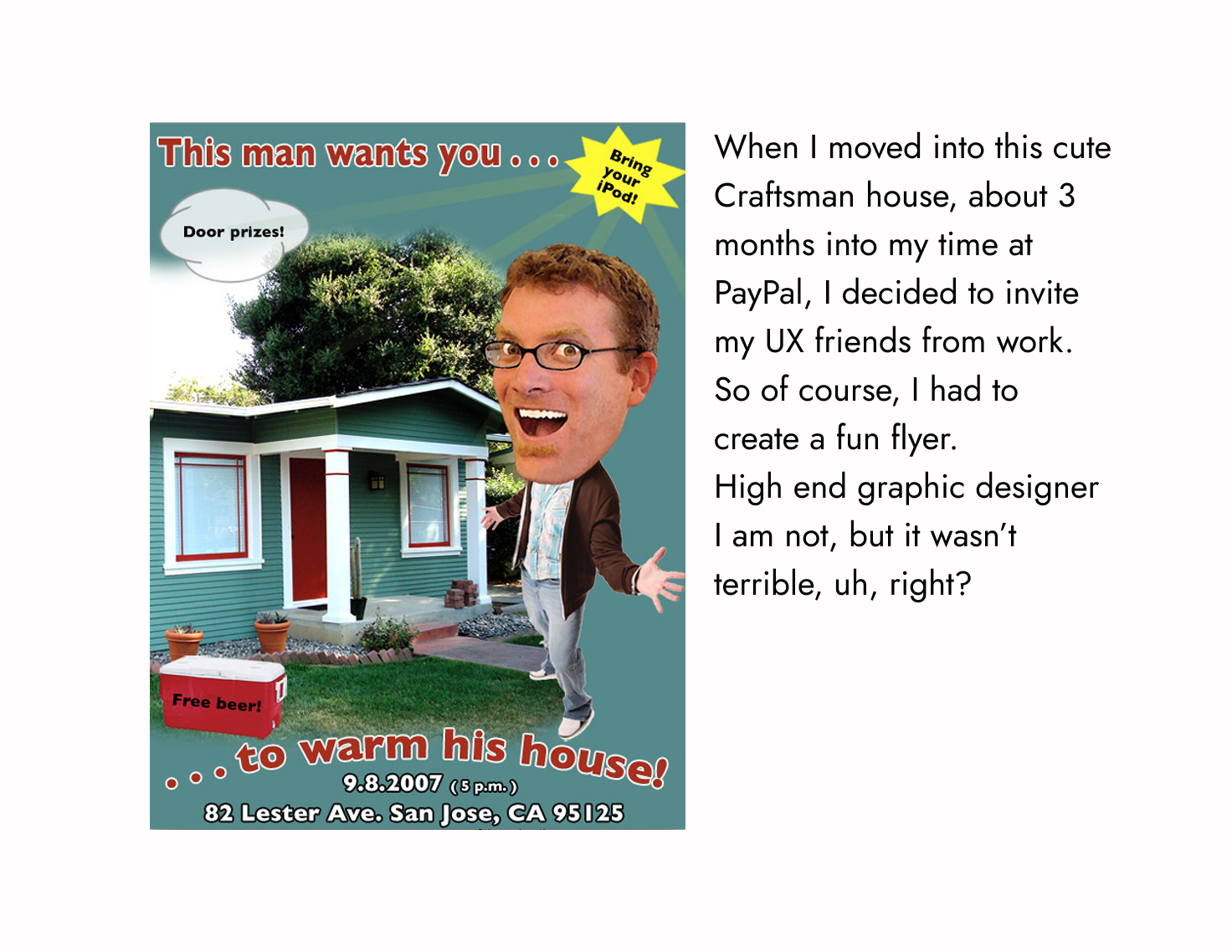
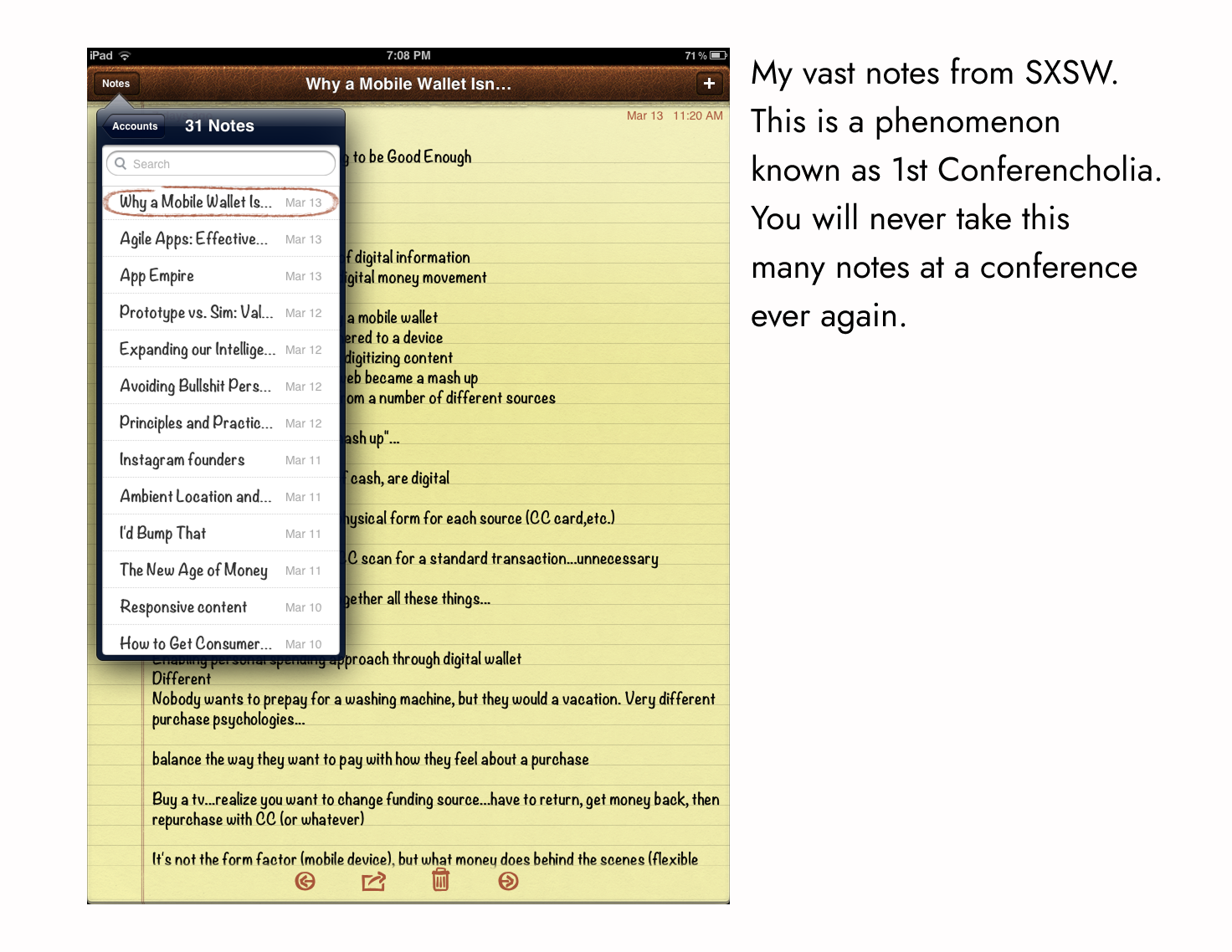
a few slides to flip through or not
Miscellaneous carousel of junk. You might find yourself in there, but you’re not junk - you’re beautful.
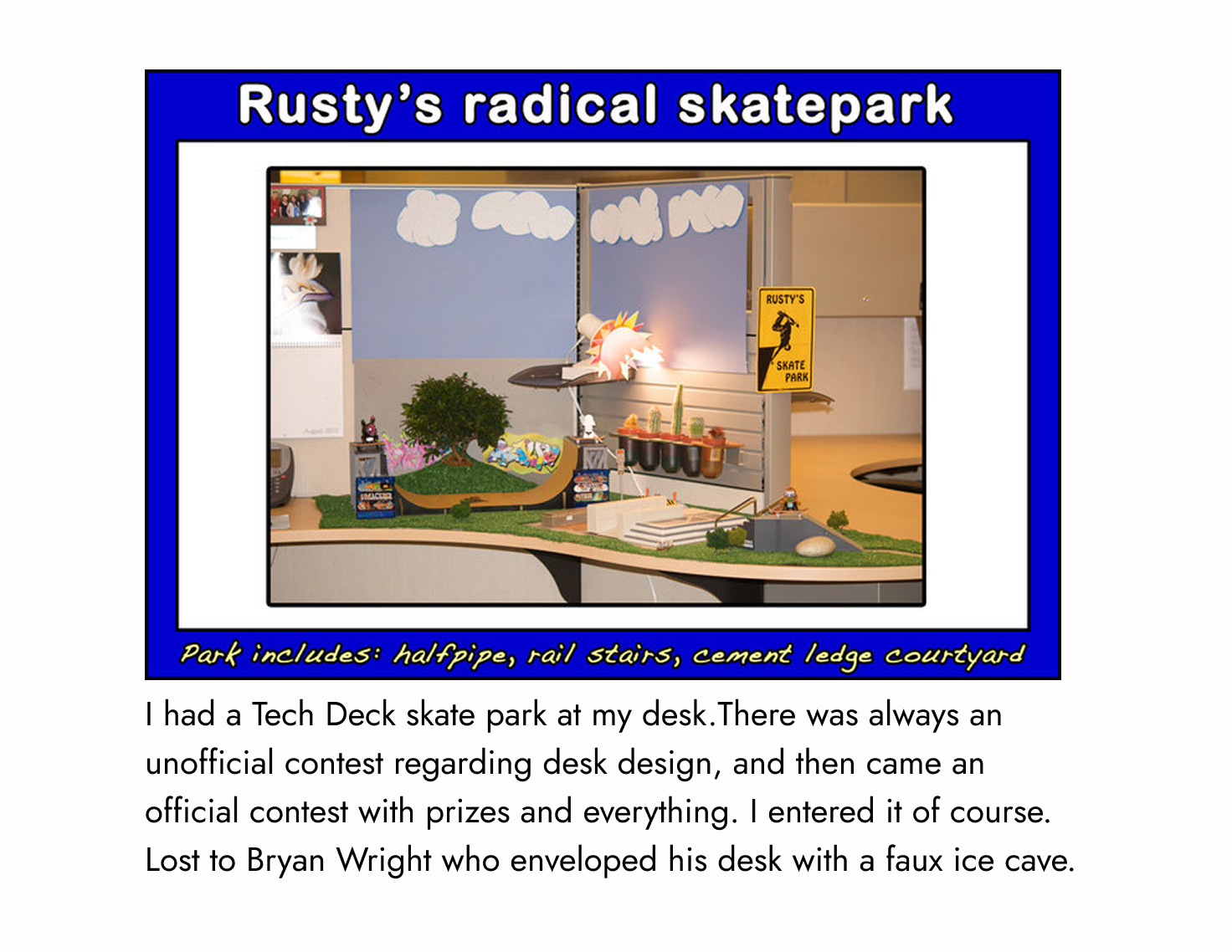
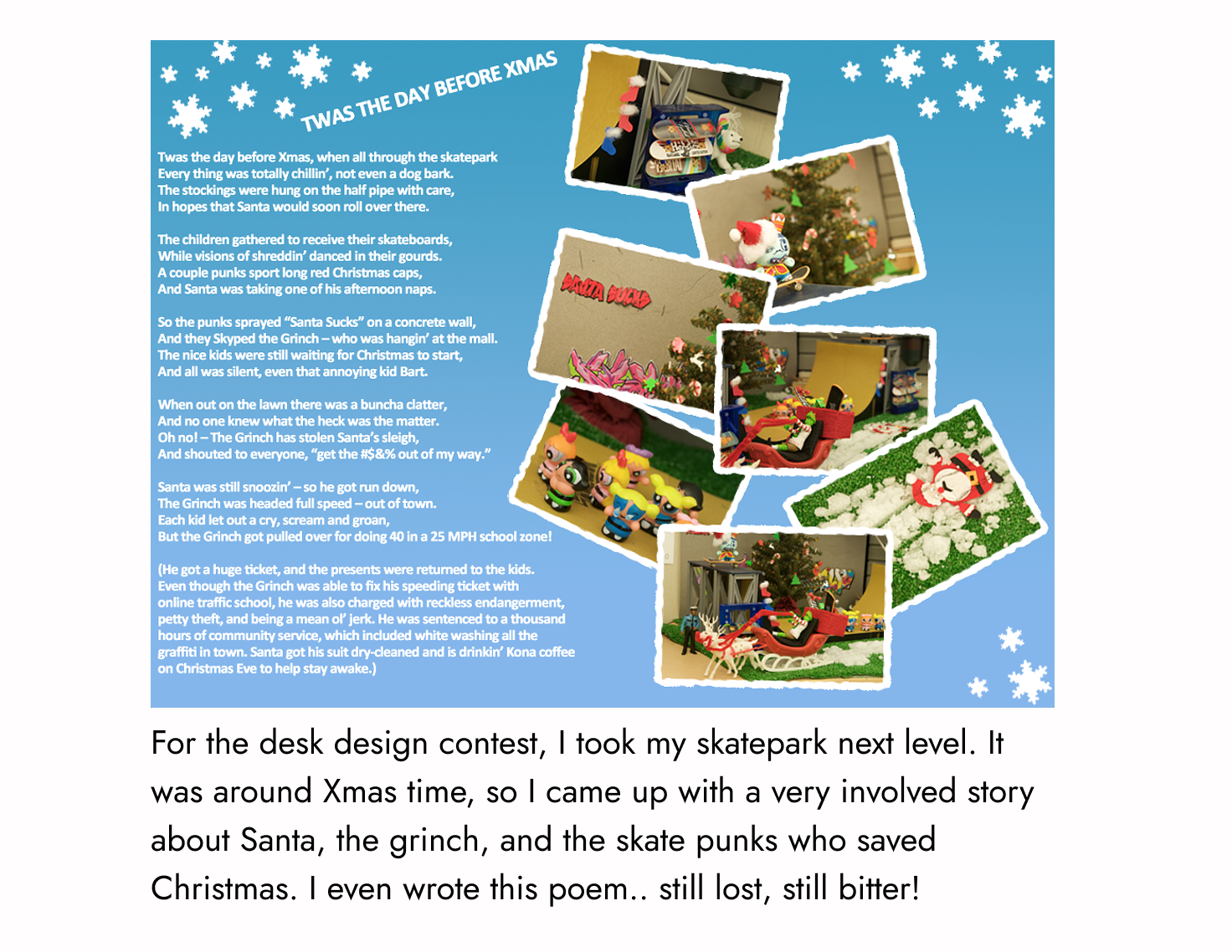
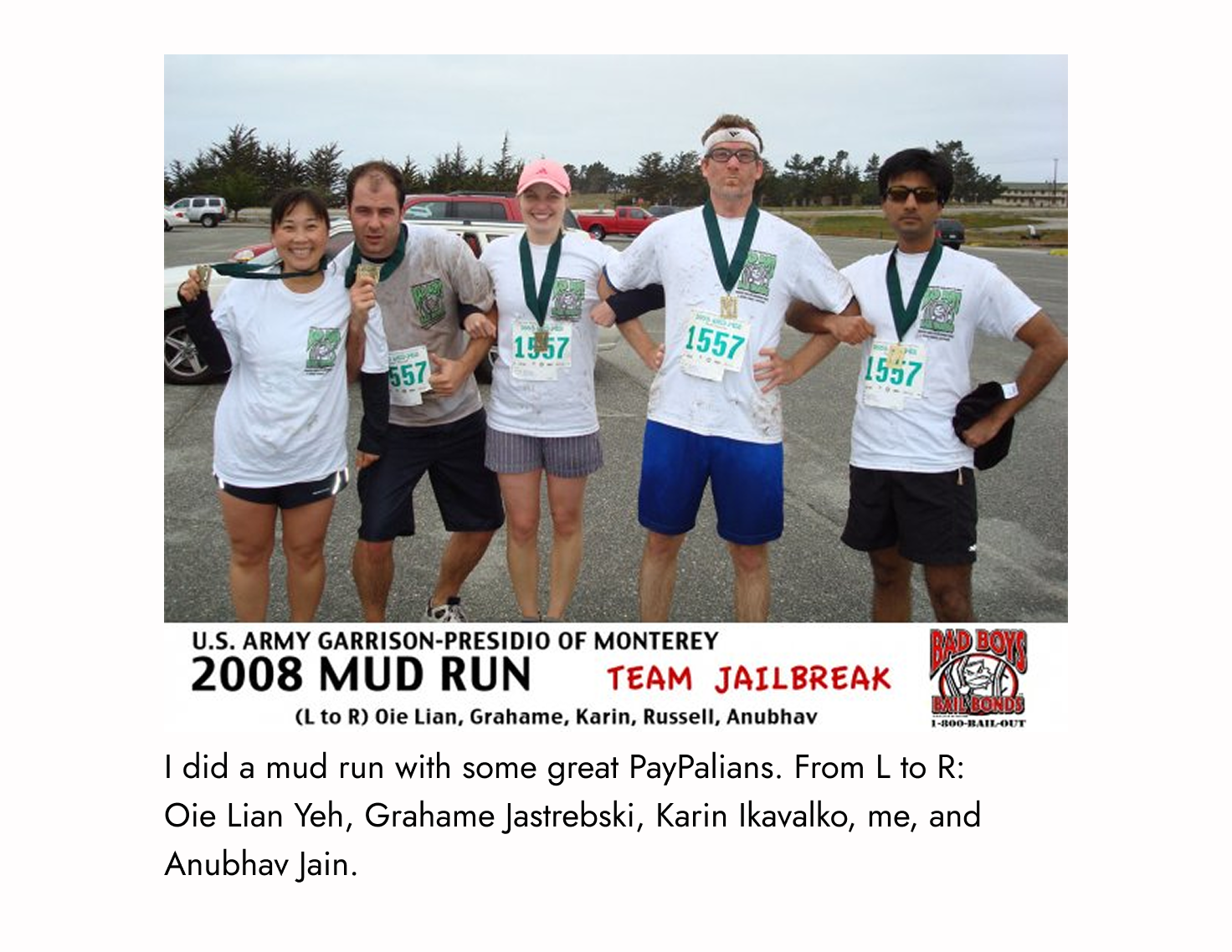
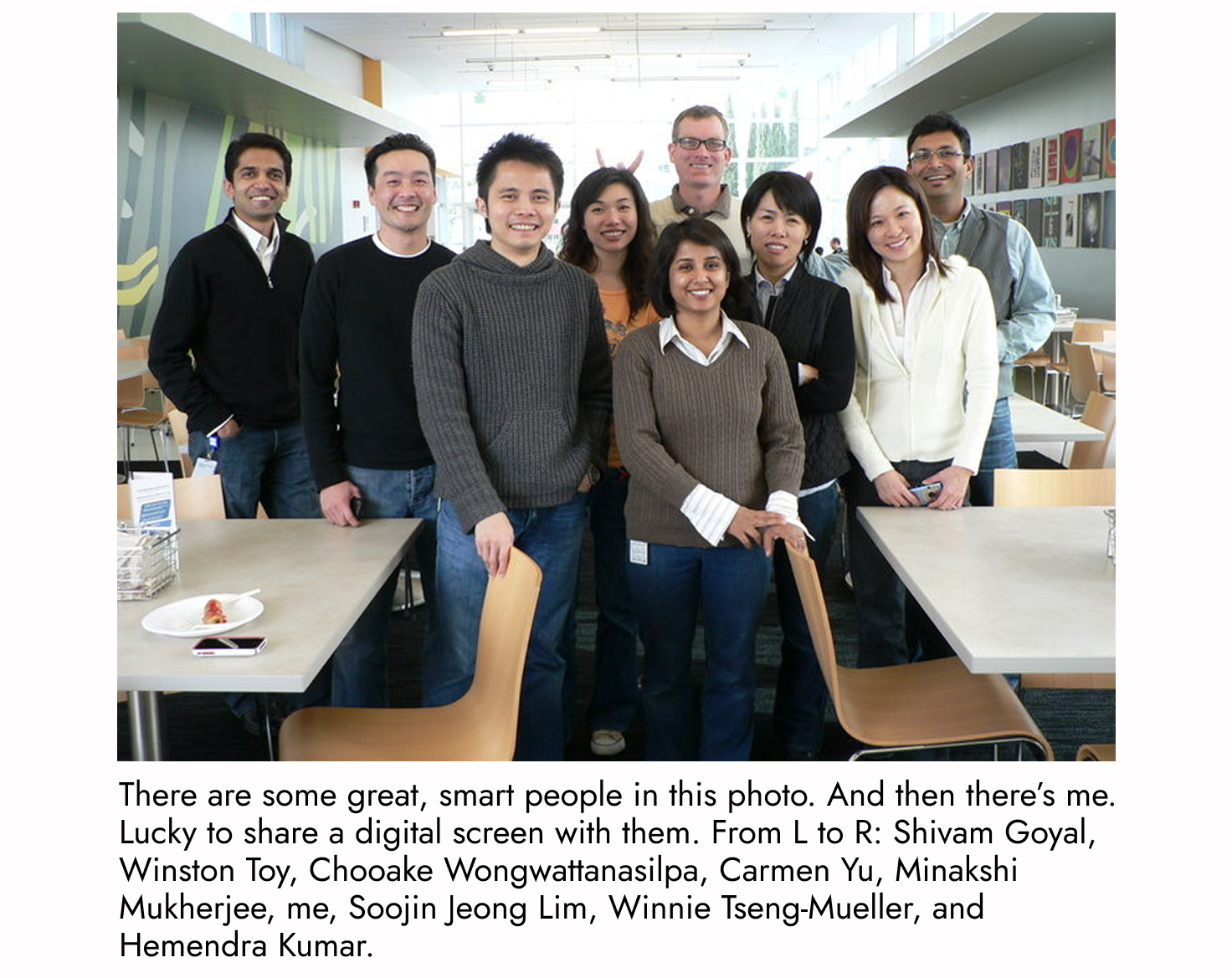
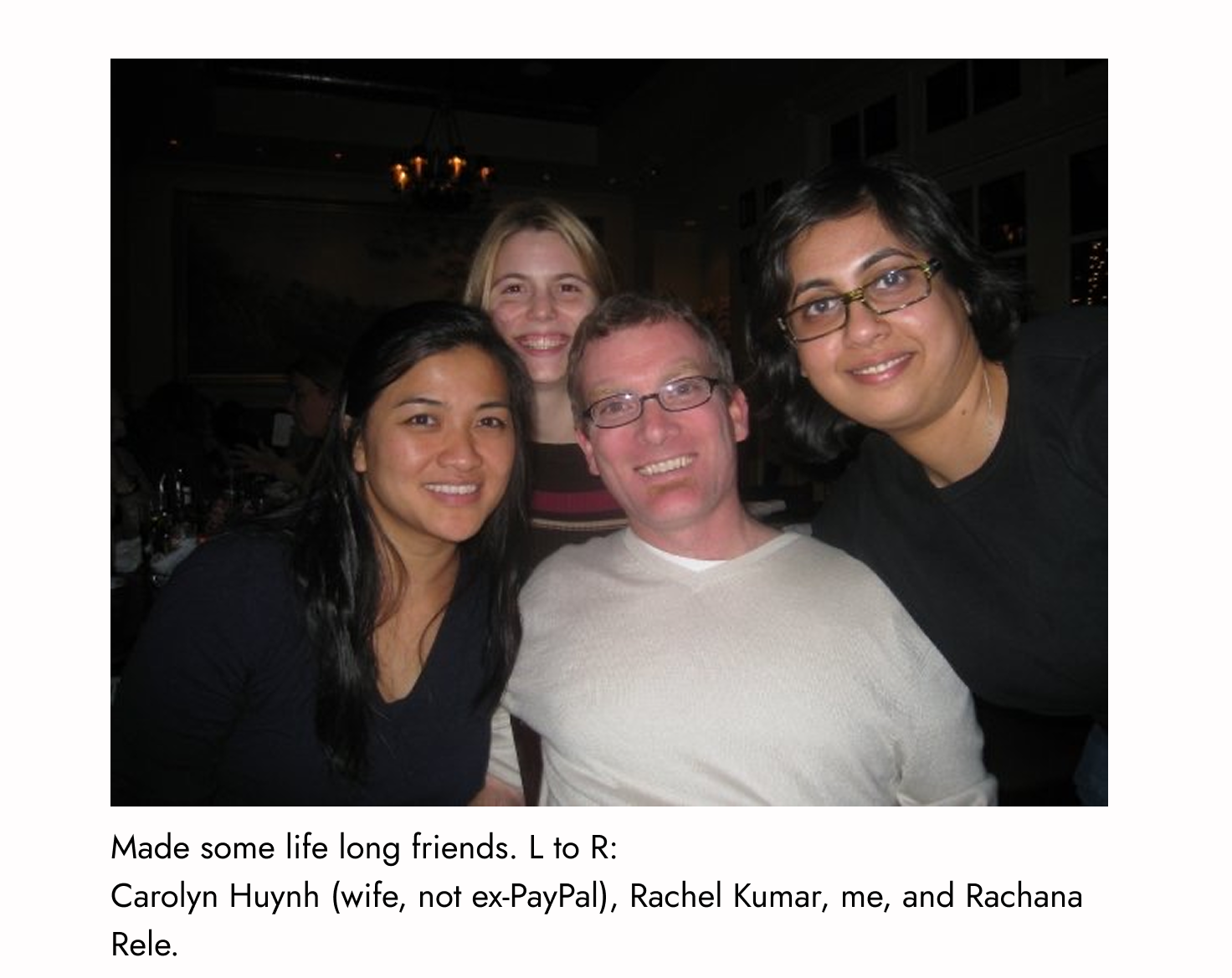
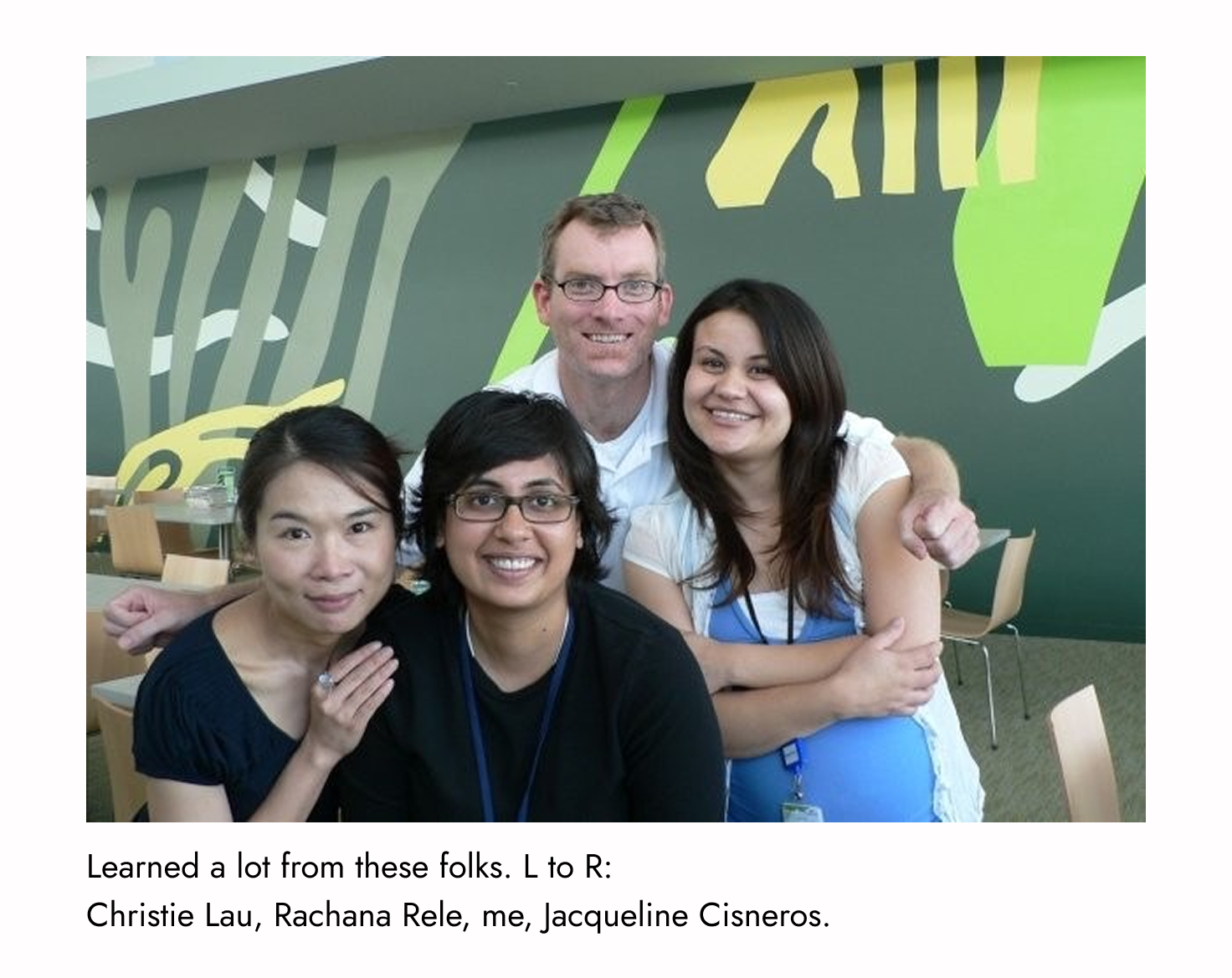
lots of love for lots of people.
I worked and played with an incredible array of smart and lovely people during my six years at PayPal. I’m not connected with everyone, and I’m sure I’ll miss some obvious folks that should be on here, so bear with me as I build this out.
Thanks to everyone for the knowledge sharing and good times.

Bernice Lee
Employee Experiences Manager, Intuit
Brian Folsom
Life designer
Christie Lau
Product Design Lead, IBM
Rachana Rele
VP of Product Design, Adobe

Willy Lai
Design Advisor, Prosera Inc.
Mark Jansen
Extra retired
Mike Stevens
Sr. Technical Writer, TrendAI
Robert Morrish
Head of Content Engineering, Nvidia
May Zabaneh
SVP Crypto, PayPal
April Van Scherpe Driscoll
Life Designer
Gabby Sexton
Chief Everything Officer, Sexton Household
Shivam Goyal
Senior Director, Guardant Health
Winston Toy
Product Designer

Chooake Wongwattanasilpa
Managing Director, OCBC

Carmen Yu
Senior Product Designer, Apple
Minakshi Mukherjee
UX Design Instructor, Berkeley Extension
Soojin Jeong Lim
Head of Design, VoyagerX
Sarah Pike
Head of Content, Zillow Group
Bryan Wright
Founder, Gravity Image, LLC

Gene Giromini
Founder, GuardianCare Health
Giovanni Bacigalupi
Senior Designer
Janice Ishizaka
Retired
Catherine Perez
Founder, Hey Famm

Erin Killian Evers
Volunteer, Santa Clara Dog Training Club
Yoon Chung
Head of Program Management, OP Labs
Karen Pascoe
Head of Design Innovation, Wells Fargo
Jason Tan
Head of Products, Flash Coffee

Yammie Kwan
Director of Product Strategy and Operations, Docusign
Fútbolers
Bram Flowers
Sales Operations, Visa
Mateo Graziosi
VP GTM, Payoneer
Germán Scipioni
CPO, DrumWave Inc.

PJ Balin-Watkins
Volunteer for Vintage Media Lab, Palo Alto

Yani Brankov
Staff Software Engineer, Uber
Schubert Lobo
Senior Software Engineer, AutoDesk
Winnie Tseng-Mueller
UX Manager, Hewlett Packard
Hemendra Kumar
UED Director, Google Payments
Megan O’Neill
Design Manager, eBay

Mai Tran
Principal Designer, Netflix
Emma Hoare
Sr. Designer, SoFi
Keala Gaines
VP, SMB Payments, PayPal

Wesley Hsu
Sr. Frontend Developer
Cornelius O’Sullivan
Product Manager, Facebook
Charles Fletcher
Principal Product Manager, FuturHealth

Alice Chen
VP of Product Management, Sydecar
Katrina Ferguson
Life Designer
Gopal Srinivasan
Director of Product Management, PayPal
Karin Ikavalko
UX Manager, Google
Paul Wotel
UX Staff Writer, Venmo
Vinoth Raghavan
Principal UI Designer, Broadcom, Inc.
Grahame Jastrebski
CTO at NationBenefits
Peeyal Banerjee
Sr. Engineering Manager, PayPal
Minqing Zhou
Life Designer
Deborah Adams
Retired

Jonah Otis
CEO, Leadership Coach Directory
Stephanie Grace Lim
Chief Design Ninja, Apple Inc.
Cindy Liu
UX Manager - Content Design, PayPal
Adam Braasch
CEO, Dockly